Ask an expert: Can I build a new home in my back garden?
My wife and I moved into our 3-bed semi in Limerick in the mid 80s. During the 90s, we added a bedroom and a new kitchen to the rear. It’s a corner house – I think all the houses on the road were built in the 60s – and came with a large garden.Several people have mentioned to us that we have the space to build another house in the garden. It’s happening more and more, and as we push on in years, our children have all flown the coop at this stage - it’s something we are looking at more closely.Would we be able to build a new, smaller house which we could downsize to while still living in the ‘old’ house? What are the main problems which arise when building on a garden site?Does it matter what time of year you build the house? I ask this because I was in Dublin recently and saw a new house being built on a garden site which was full of water. Does that matter?If we go this route, we would of course sell the ‘old’ house. One of our sons has said we could also sell the house with planning permission and just move to a smaller house or apartment.While that has the attraction of avoiding the stresses of taking on a major building project, there are very few downsizing options in our area. He also advised us that if we do go the building route, to hire a project manager. Do you think that is necessary? So, lots of questions. Any advice you could give us would be appreciated. Thank you, Alan.
Alan,
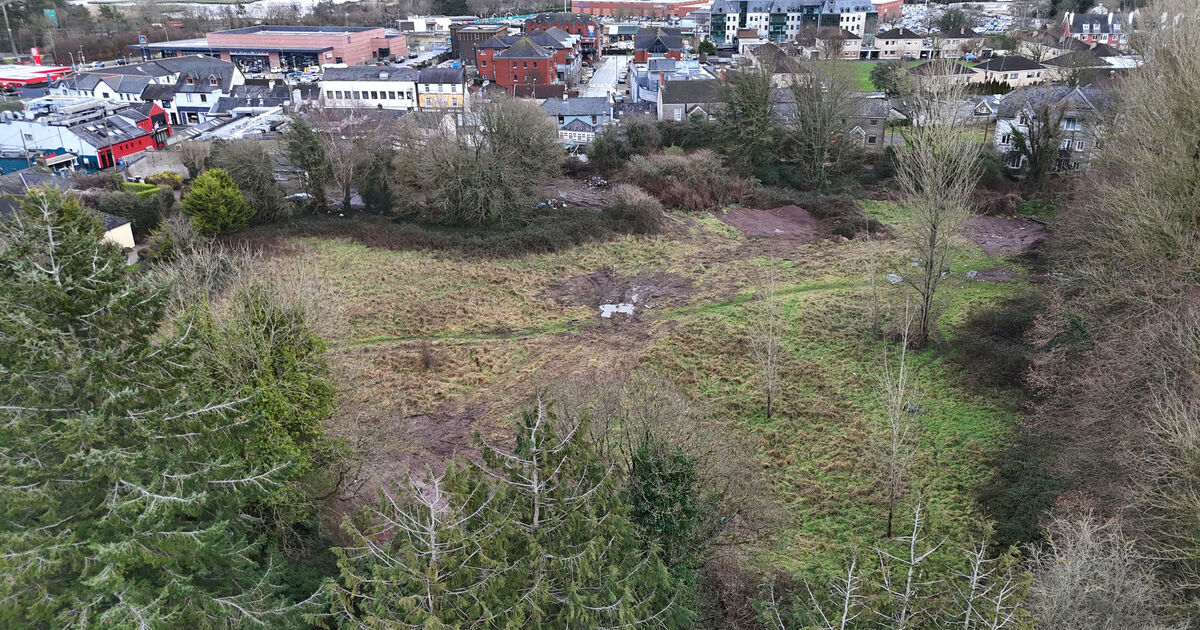
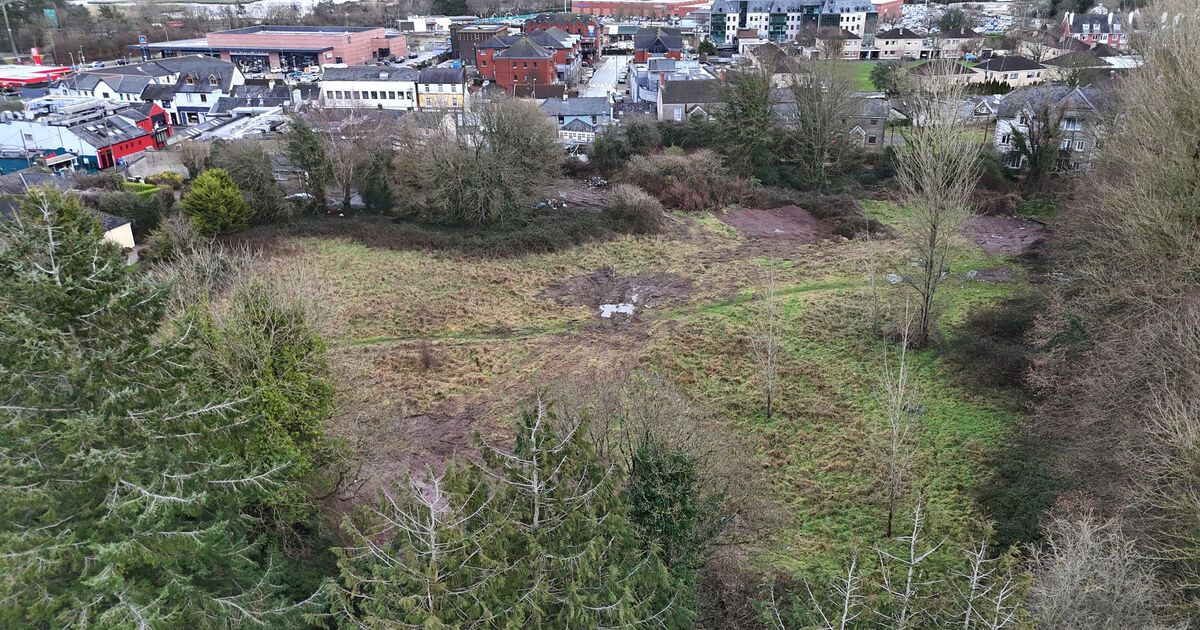
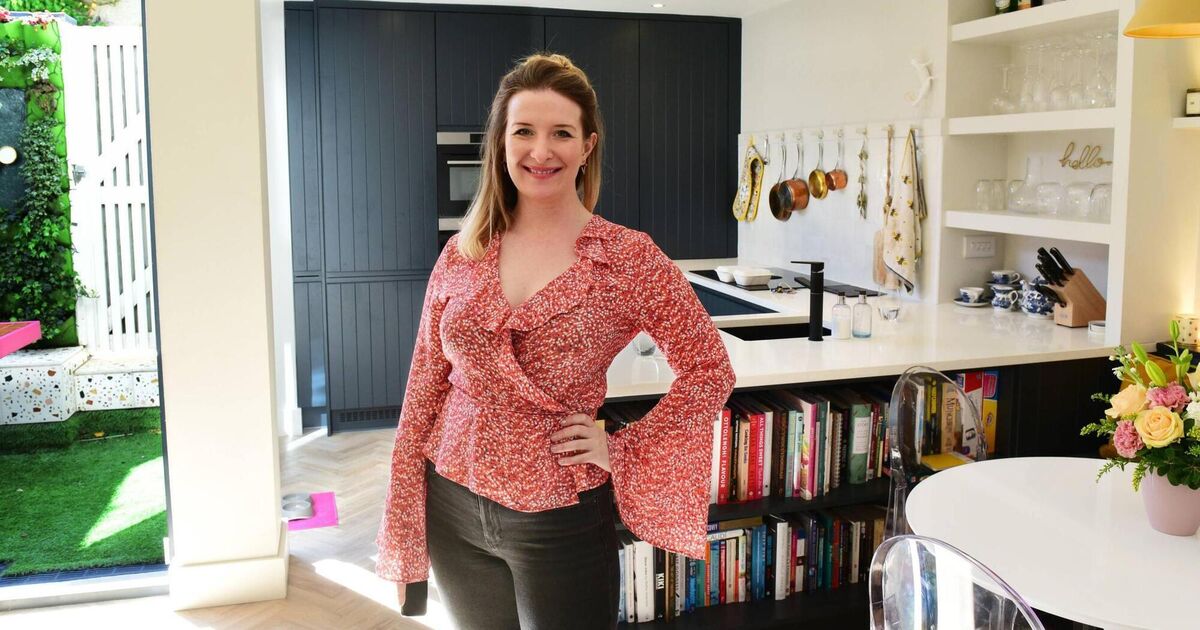
This is a wonderful question, and I’m sure it will be of interest to our readers. Statistically, I’m asked different variations of this query a lot. I suggest that the most expeditious thing here is to have a pre-planning meeting with the planning section of the council. You can download their application form online.Fill in your details, including the Eircode and outline what you want to do/know. If a map is required, drop a pin on a Google map and add it to the form. Some authorities ask for drawings, but this will put you to a lot of expense for a scoping exercise. Just add a picture of your house and the plot in question, and say that this enquiry is preliminary and that you don’t have a designer as of yet. If there is pushback on this and they insist on a drawing, draw a sketch plan yourself and send it in. This does not have to be perfect, as you are not necessarily a designer.The authority will then give you an appointment for a clinic or a one-to-one and will run the property through their systems, taking into consideration multiple aspects that impact planning. In relation to your query as to whether the house sits in water matters, yes, flooding will likely be one of the aspects they check. They will not be inclined to grant in a flood plain or where pluvial flooding occurs.My reasoning for this approach is that it costs nothing, and you can’t be strategic until you know where you stand. If you decide that building is the way forward, you might spend money on the process only to find that the authority doesn’t want to know. Whereas, if you do a preplanning meeting, you will be in a position to map a way forward.If you are not permitted to build, then you are looking at selling and downsizing, although this might be long-winded and a little tricky. But, if the authority is open to development, then your options to either get planning permission and build or get permission and sell the site with planning permission, are more concrete – pun intended!When building on a garden site, or any site for that matter, you must make sure that you detect any service lines and utilities that traverse the site. These services might feed into more than just your house. Before you go to the design stage, the site should be surveyed to aid the designer in formulating solutions for such items. If the surveyor (Geomatic Surveyor) believes that the utilities will prevent development, they will say so. This will mean that outlay for a designer may be avoided in the first instance.If building on a garden site, you must protect the amenity of the original house. Don’t strip it of its amenity, or it may impact the sale negatively. A balance must be struck. Access/egress must also be considered. Where will the entrance go to allow the site to be safely accessed and to allow other road users see an emerging vehicle? Sometimes garden sites are limited and fitting a safe access may be challenging.Now, let’s call a spade a spade. Construction is stressful. But to reduce stress, I always suggest a main contractor (MC). Direct labour (DL) is only as good as your own knowledge of construction, or the knowledge of your project manager (PM). My experience is that the cost of a good PM will negate any savings you thought you’d make by DL, so, you’re often better to go MC.It would be beneficial if your designer also inspected and certified works, as it means consistency and you know who you’re dealing with. Where this is not the case, you may have to get an inspector/certifier to ensure works comply with building regulations. Your designer will advise here.On the right time of year to build, I believe that April is the sweet spot. The frost is largely over, although we do get hit sometimes in May, but you’re heading into the best weather. A waterlogged site is not ideal. It impacts foundation testing, and the place will be ruined by machinery sliding around in mud, not to mention horrible conditions for the builders.Another way of downsizing might be to turn your dwelling into two apartments. Again, a good designer is required as well as a good MC. This will also require planning. It allows you to stay at your address and keep most of your amenity. You may need to build an extension to ensure facilities are consistent on both floors. It will mean disruption and it would be best to move out.The building would have to be turned inside out to cater for the changes, some of which include fire separation, acoustic insulation, and kitchens and sanitary facilities on both floors. Perhaps even a new entrance will be needed. Worth thinking about, though. Hope this is useful and you might let us know how you get on.Brigid Browne is a chartered building surveyor and chair of the Southern Region of the Society of Chartered Surveyors Ireland. She is the owner/ managing director of Cashel-based Fortress Planning which offers a range of services including assigned certifier, design certifier, building surveyor, and conservation consultancy to clients all over the country — www.fortressplanning.ieIf you have a property related query or issue you would like to raise with Brigid, please emailirishexaminerpropertyqueries@scsi.ie