Jennifer Sheahan: How renovating in phases can get you into your dream home
We all know the cost of renovating a house has skyrocketed. I spoke with a well-known QS towards the end of last year about just how much prices have risen — it’s around three times more expensive now to renovate a house than it was when I did it, six years ago in 2020.
It makes me sick for the generation coming up behind me who simply cannot afford the homes they want and need.
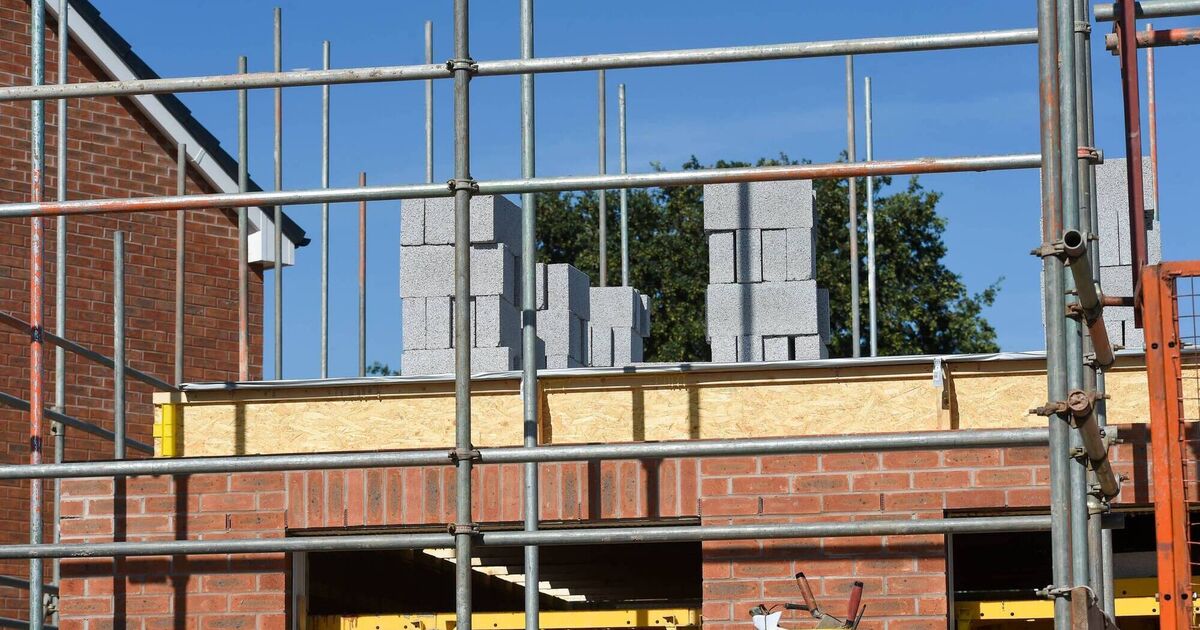
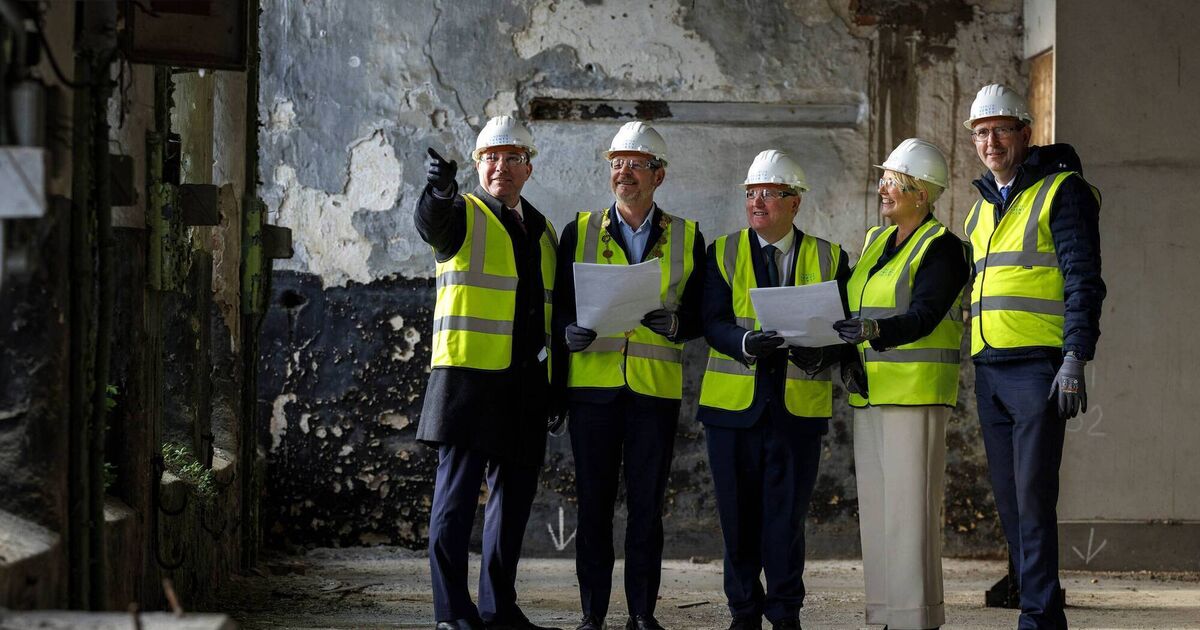
Aside from overthrowing the government and capitalism as we know it, there are some strategies that can get you into your dream home, albeit more slowly than in times gone by. One is doing the work in phases. I’ll be honest — it’s not the best approach, as it’s more expensive overall and involves more work. But it’s the only option for many, and I have a growing number of clients and friends who have successfully gone down this path.What can go wrong I’ll get the bad news out of the way first. If you don’t plan the phases of your renovation properly from the outset, it can lead to re-work, duplicated costs, and unnecessary time out of the home. There is a risk of costs going even higher between phases, leaving you with a half-finished home. It may be difficult to find a team willing to take on the second phase. Of course, you can mitigate this by getting the same contractor you worked with for the first phase, but that may not be a possibility. Finding a team to finish the work that other people started will come with its challenges, and you should make sure that all work from the first phase is meticulously documented and ready to be handed over.The good news That’s the worst of it out of the way, and the good news is that if the renovation you want is currently financially impossible, it is an option for you to chunk it up. Chunking up renovation works particularly well when you’re living in the house, working with a limited budget, or renovating an older property where surprises are likely. It can also reduce the feeling of overwhelm that comes with a whole-house renovation.When it doesn’t work is when there is no plan. The goal isn’t to delay decisions forever; it’s to sequence them sensibly. You can do the most important work now, then take a break and save for as long as you need, and finish off the rest a few years down the line. The key is being realistic about how you plan out that important initial work and how you prepare for future phases strategically. Begin at the end The key to good planning is to have a clear vision of the end result. You don’t need to have chosen your final paint colours, but you do need to understand the full scope of the renovation works required to achieve the finished house. Layout changes, extensions, plumbing routes, heating systems, electrical works, and insulation upgrades — all of this needs to be finalised before phase one. Finalise your plans before starting work, says Jennifer Sheahan.Invest upfront in final, finished drawings and plans. This is how you avoid ripping out perfectly good work down the road. Be upfront about your phasing plan from the start with any professionals you are working with — they can help you structure it in a way that makes financial and practical sense.Invisible work comes first There is more not-so-great news — sorry! — and that is that the first phase of work is by far the least satisfying. The most important things to do first are invisible. Structural work, groundworks, plumbing, electrics, insulation, and heating are the things that are hardest to retrofit down the road, and so should be done first. Prioritise structural, foundational, plumbing, electrical, and insulation work first.The bulk of your budget is likely to go on these items, and getting them right is paramount. Prioritising getting the foundational work right will pay off in the long run.Group the work by type, not room The best way to plan phases of work is to think about the type of work to be done, rather than going room by room. This means, for example, having all the plumbing work done in one go. The same applies to electrical work or insulation upgrades. Trades are already on site, walls are already opened up, and you avoid paying multiple mobilisation costs, reducing future disruption and re-work.Prepare for future upgrades Even if you can’t afford final finishes now, it makes sense to put in infrastructure to prepare for it where possible. This may mean laying pipes for underfloor heating, but holding off on installing the manifold until later. Plan for later: lay pipes for underfloor heating now, and install the manifold in the next phase.If you plan to install solar panels later, you can specify a connection point in the first phase of work. If you’re going to build an extension, you can lay the foundations and groundwork for it now. These measures will all drastically reduce the disruption in later phases.Create liveable spaces for in-between phases Even if you don’t plan to pause for very long between phases, your home needs to be livable in the meantime. Prioritise spaces you use every day: a functional kitchen, at least one proper bathroom, a relaxing living area, and a comfortable sleeping area. These don’t need to be kitted out in your final finishes, but they should be good enough that you’re not living in constant compromise.Be strategic — if a wall will eventually be removed, don’t invest in expensive tiling or joinery around it. Keep finishes neutral and flexible so they can transition easily. Use temporary solutions such as the Elfa wardrobe which can be easily dismantled and reinstalled to fit in later phases.Temporary solutions can be smart here — a budget kitchen or a temporary refinish of the existing one, affordable flooring such as laminate or even linoleum (you can get good stuff now, I swear), and plain bathroom finishes that can be upgraded later without major costs. Repainting goes a long way in this middle period, and looking for second-hand items (even kitchens!) can be a huge saver.Use the in-between time wisely The pause between phases is valuable planning time. Notice what works and what doesn’t. Pay attention to how you move through the space, where storage falls short, where light is lacking, or where bottlenecks occur. This feedback is incredibly useful and can also help you refine your budget and priorities, ensuring the next phase delivers the biggest impact for your money. It’s also the perfect time to source materials slowly, keep an eye on sales, and refine details without pressure.