Is The World's First Solid-State Battery EV Already Delayed?
The Verge Motorcycles EV was supposed to be the first production solid-state EV, using a battery from newcomer Donut Lab.
But the company can't sell the bikes before they get safety certification in the EU and the U.S.
The delivery timeline on its website have been pushed to the end of the year, though there's some conflicting info here.
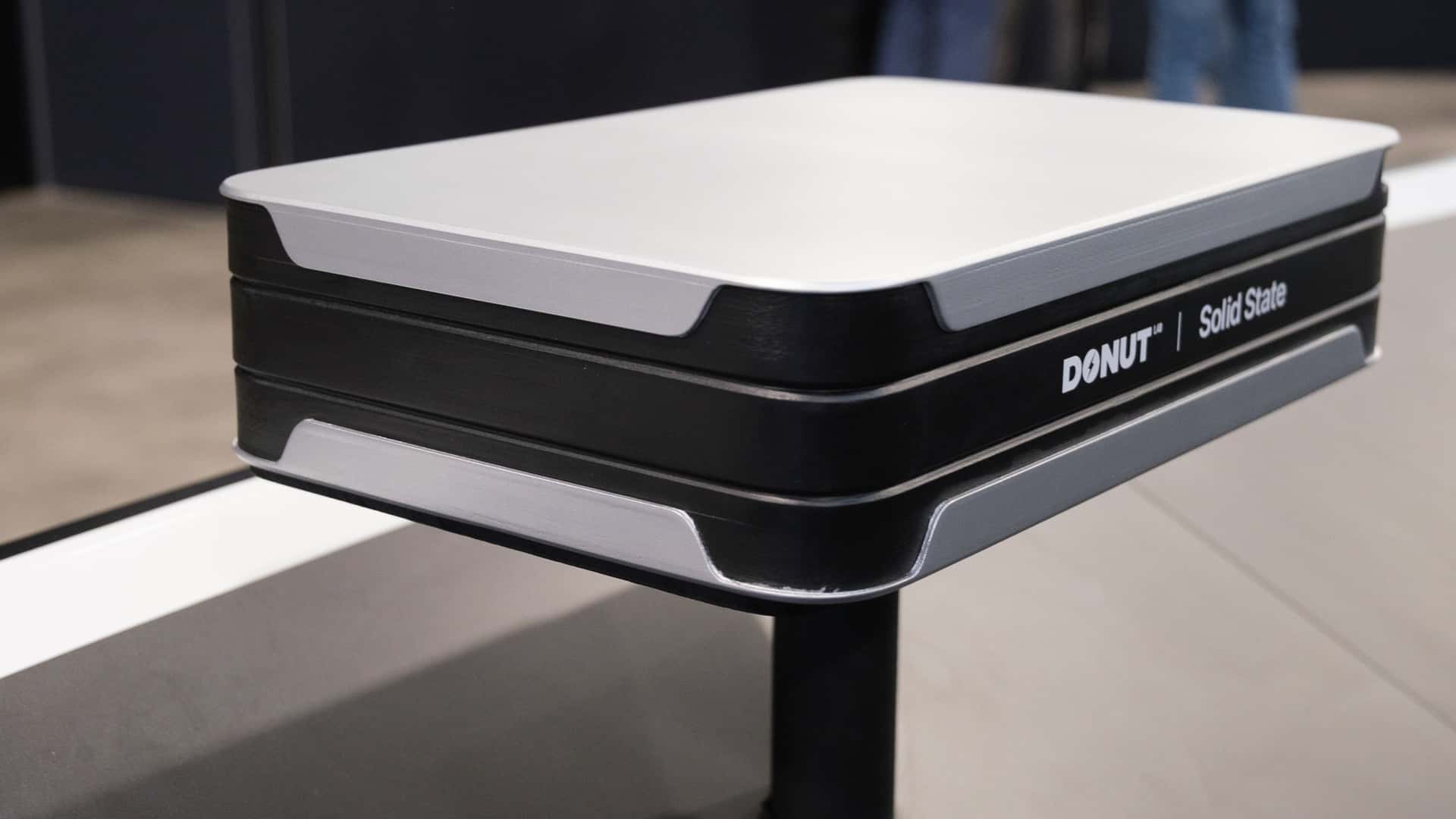
Estonian manufacturer Verge Motorcycles and Finnish start-up Donut Lab shocked the automotive industry at the Consumer Electronics Show this year, announcing what they claimed was the world’s first production-ready all-solid-state battery.
The companies said at the time that deliveries of the Verge Motorcycles TS Pro model, equipped with the Donut Lab solid-state battery, would begin in the first quarter of this year. That gave the company a March 31 deadline. But the delivery timeline for the model has now been pushed to the fourth quarter of this year, according to the Verge Motorcycles website.“Orders currently go well into 2027,” Verge Motorcycles CEO Tuomo Lehtimäki told Finland’s newspaper Kauppalehti. “In some countries, the delivery time is shorter, such as Finland and Estonia. Delivery to these countries may still take place at the end of 2026.”
Photo by: Patrick George
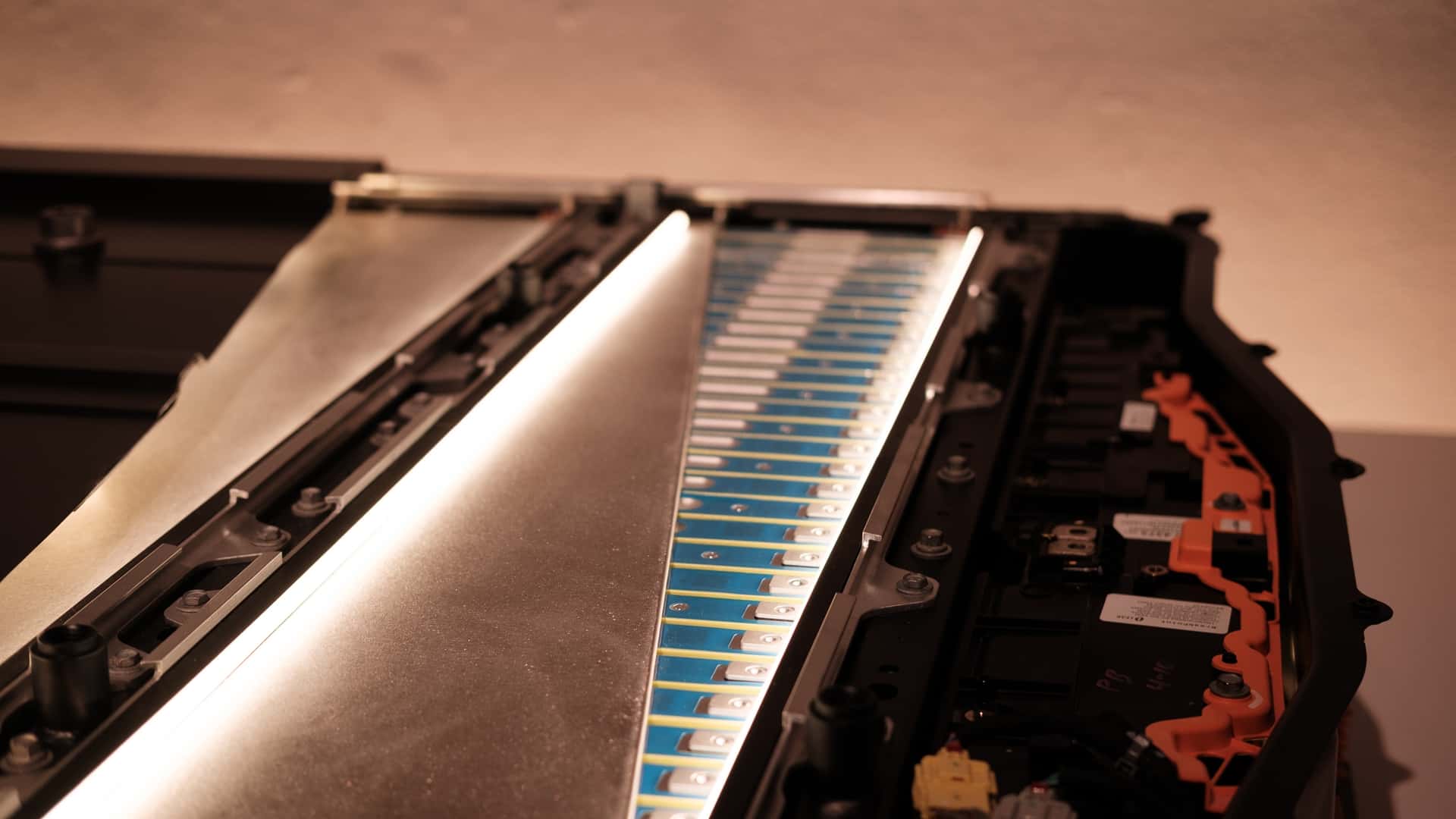
That means if you’re a reservation holder in the U.S. or other parts of Europe, you may not see your motorcycle anytime soon. Verge Motorcycles and Donut Lab did not respond to InsideEVs' request for comment at the time of writing to verify its timeline.Donut Lab said last month that it had developed a solid-state battery with an energy density of 400 watt hours per kilogram, roughly double that of what’s found on today’s lithium-ion packs. It claimed the battery could charge in just five minutes, could last for 100,000 cycles, and was completely fireproof. With no rare earth materials involved, it was also protected from geopolitical tensions, the company said. Experts remain extremely skeptical of Donut’s technology, and some large battery makers in China have outright rebuked its claims.That said, the Finnish newspaper also reported a conflicting delivery timeline. “We will be able to deliver the bikes in the spring," the CEO told the outlet. It’s unclear if the initial batch would be ready for deliveries in spring, and if the rest may follow by the end of the year. He may also mean that the company will be "able" to deliver the bikes, but may have to wait for certification to do so, though it remains unclear. The outlet also reported that production is limited to just about 350 motorcycles this year.
Photo by: Patrick George
Lehtimaki said that certification processes were underway in the EU and the U.S. To sell a vehicle anywhere in Europe, automakers have to pass the Whole Vehicle Type Approval process, which ensures that a vehicle meets the EU’s standards for safety and design, among other things. To sell these bikes in the U.S., the company would have to meet the Federal Motor Vehicle Safety Standards and also meet the Environmental Protection Agency’s requirements, in addition to local and state regulations.Depending on the vehicle and how thorough the company is with its product and the associated paperwork, these processes can take anywhere from a few weeks to over a year. So until we see media test rides and customers deliveries, this miracle battery still remains more of a mystery than something real.
Contact the author: suvrat.kothari@insideevs.com
We want your opinion!
What would you like to see on Insideevs.com?
Take our 3 minute survey.
- The InsideEVs team