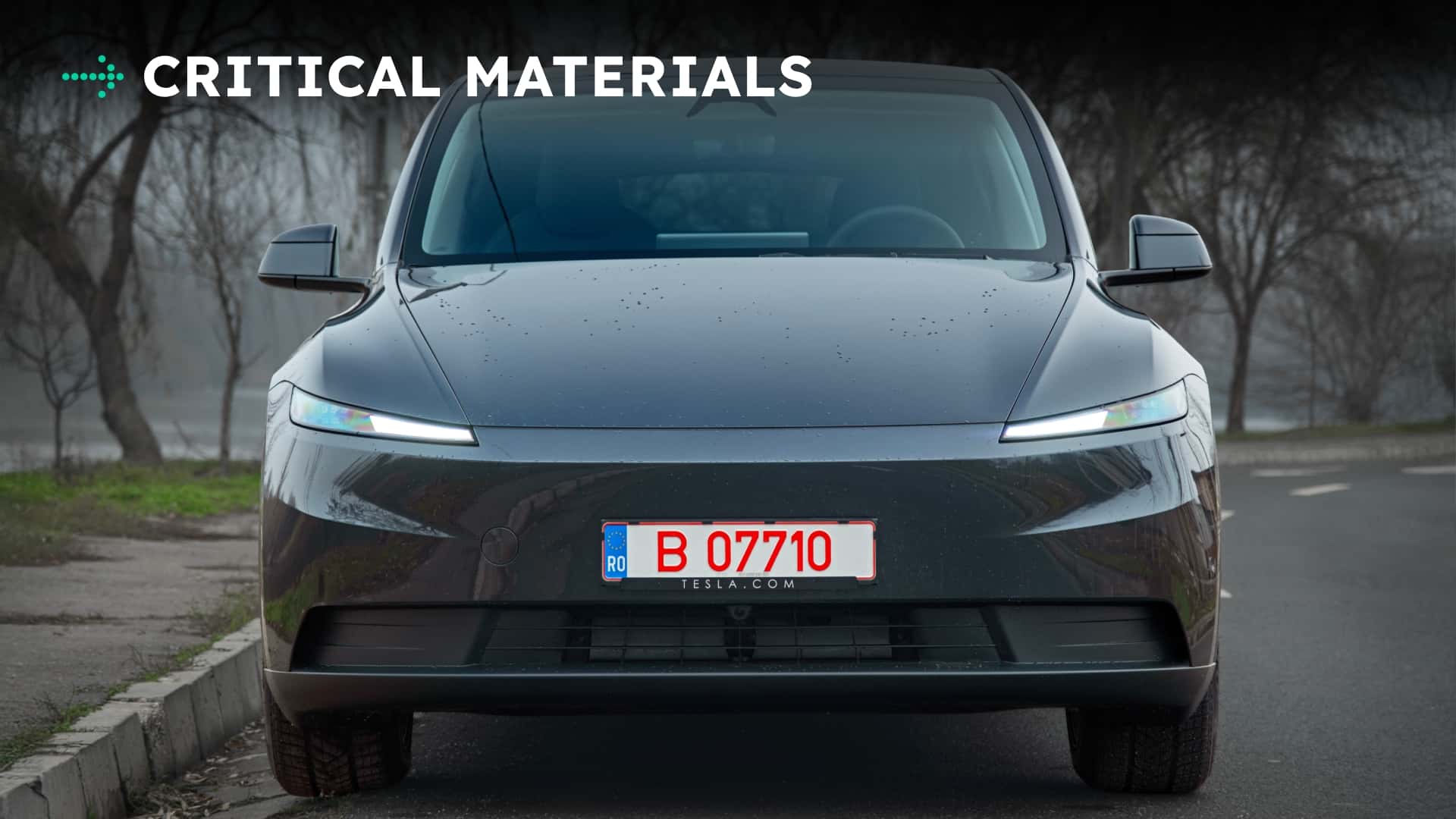
A Tesla Model 3 Sat Overnight At -33°F. Charging And Efficiency Took A Huge Hit
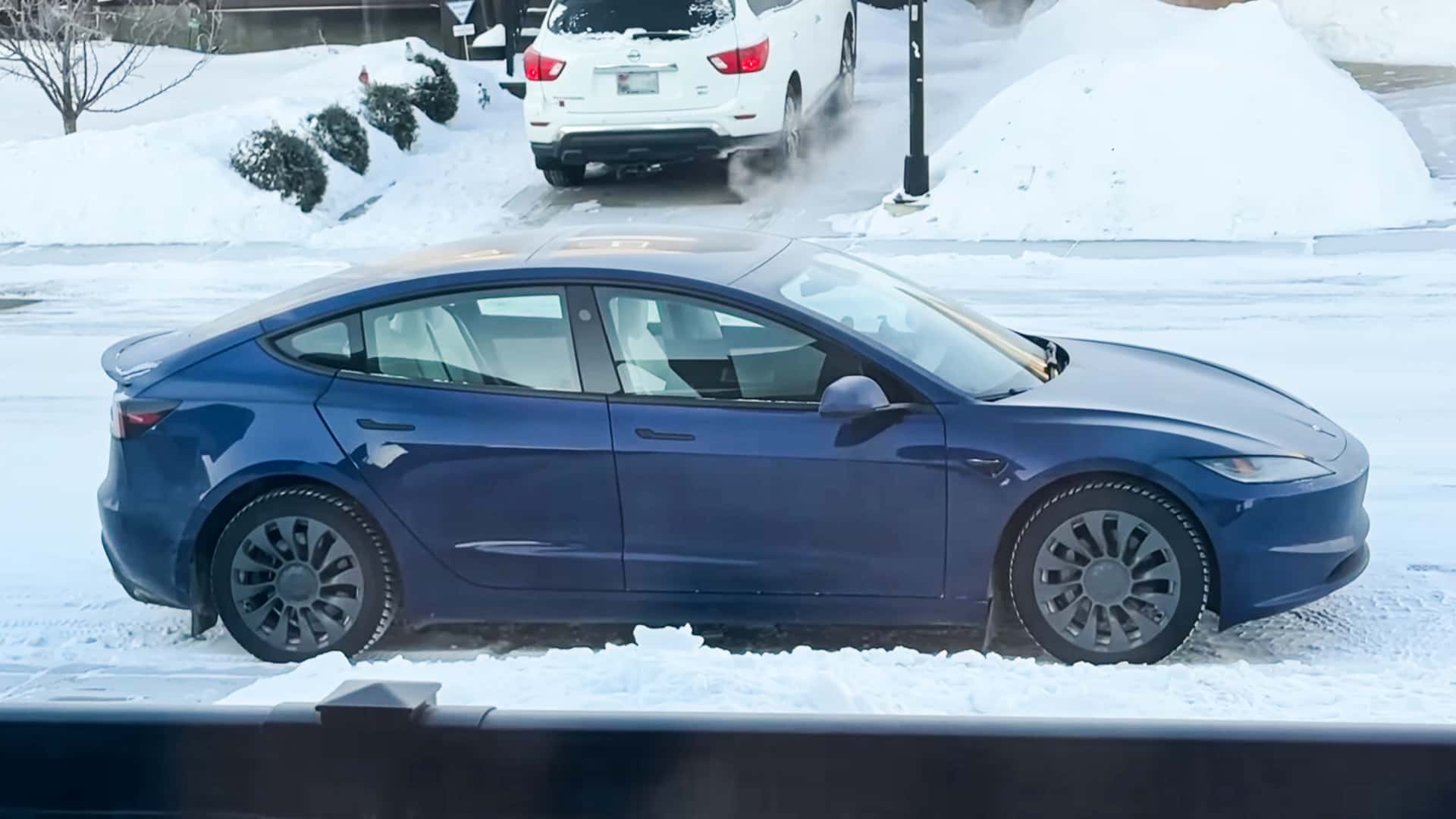
A 2024 Tesla Model 3 was parked overnight in the freezing Canadian winter.
The owner wanted to see how the car would handle the extreme temperatures without preconditioning.
He jumped inside and drove straight to a Tesla Supercharger. Suffice it to say, the energy efficiency and charging speeds were awful.
Modern EVs can handle extreme temperatures just as well as any other type of car. In fact, electric cars have the upper hand simply because you can easily precondition the interior to make it warm or cold before you get inside–without burning any fuel.
Preconditioning makes a huge difference, especially when temperatures go as low as -33°F (-36°C). But one Tesla owner wanted to see what would happen if he just got in his Model 3 and drove to a DC fast charger after leaving the car outside overnight to freeze.
YouTuber FrozenTesla parked his 2024 Tesla Model 3 Long Range All-Wheel Drive outside, unplugged, with a battery state of charge of 48%. He didn’t open the smartphone app to wake up the car during the night, so the EV just sat for 10 hours soaking in the freezing cold. In the morning, the state of charge went down by 3%.
At exactly 10:00, he got inside and started the EV. The high-voltage battery temperature, as reported by a third-party accessory, was -4°F (-20°C), while the ambient temperature was -26°F (-32°C). Everything worked fine, but there was an annoying sound coming from somewhere behind the wireless smartphone charging pad–it did go away after the car warmed up, though.
He drove to a Tesla Supercharger roughly 22 miles (34.4 kilometers) away, but did not select the Supercharger as a destination, so that the car would not preheat the battery to accept a higher power during the session. In other words, the worst possible conditions for a smooth driving and charging experience.
When it comes to efficiency, the drive to the Supercharger was terrible. During the 22-mile drive, which took 30 minutes, the car ate through 13.7 kilowatt-hours of energy. That’s an average of 64.2 kWh/100 miles or 1.56 miles/kWh. Seeing how the car’s usable battery capacity is around 76 kWh, the real-world driving range with such a high energy consumption would be less than 120 miles.
However, a lot of energy during that drive went into heating up the battery and the cabin, much like a gas engine in a combustion car would burn more fuel to heat up the interior after the initial start-up.
The Model 3 raised the battery’s temperature by a lot during that 30-minute drive, going from -4°F (-20°C) to a much more comfortable 37°F (3°C), but that wasn’t enough for fast charging. Without a proper preconditioning process, the Supercharger session was extremely slow, with the initial estimate saying it would take 55 minutes to go from 25% to 75%. That’s because the battery was too cold to accept a lot of power, so the first 10 to 15 minutes of the charging session were spent on raising the temperature of the high-voltage battery. Even after that, though, the power never reached 100 kW.
37
After charging for a while, the owner drove on the same route to get back home, but now the interior and battery were balmy, so the efficiency was a lot better. Twice as good, actually, with an average energy consumption of 33.28 kWh/100 miles, or 3 miles/kWh.
This just goes to show how important it is to keep a little extra charge in your EV’s battery when you know it will be cold during the night. This way, the interior can be preconditioned in the morning, and you’ll get to your destination without worrying about range. Of course, energy efficiency will take a hit in the winter, and you’ll pay more to fill up with electricity compared to when it’s warm outside, but that’s also true for gas cars.
We want your opinion!
What would you like to see on Insideevs.com?
Take our 3 minute survey.
- The InsideEVs team