SAVE America Act: Sen. Mike Lee Defends Strict Voter ID Rules For Federal Elections
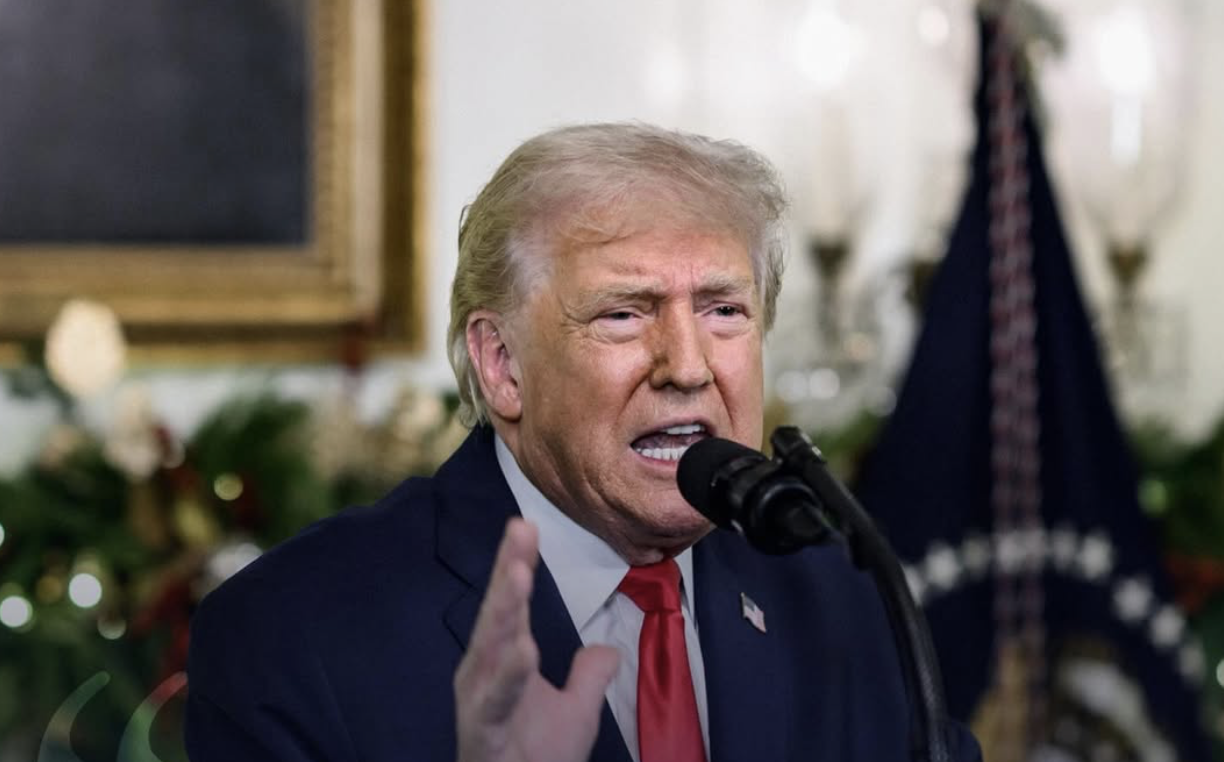
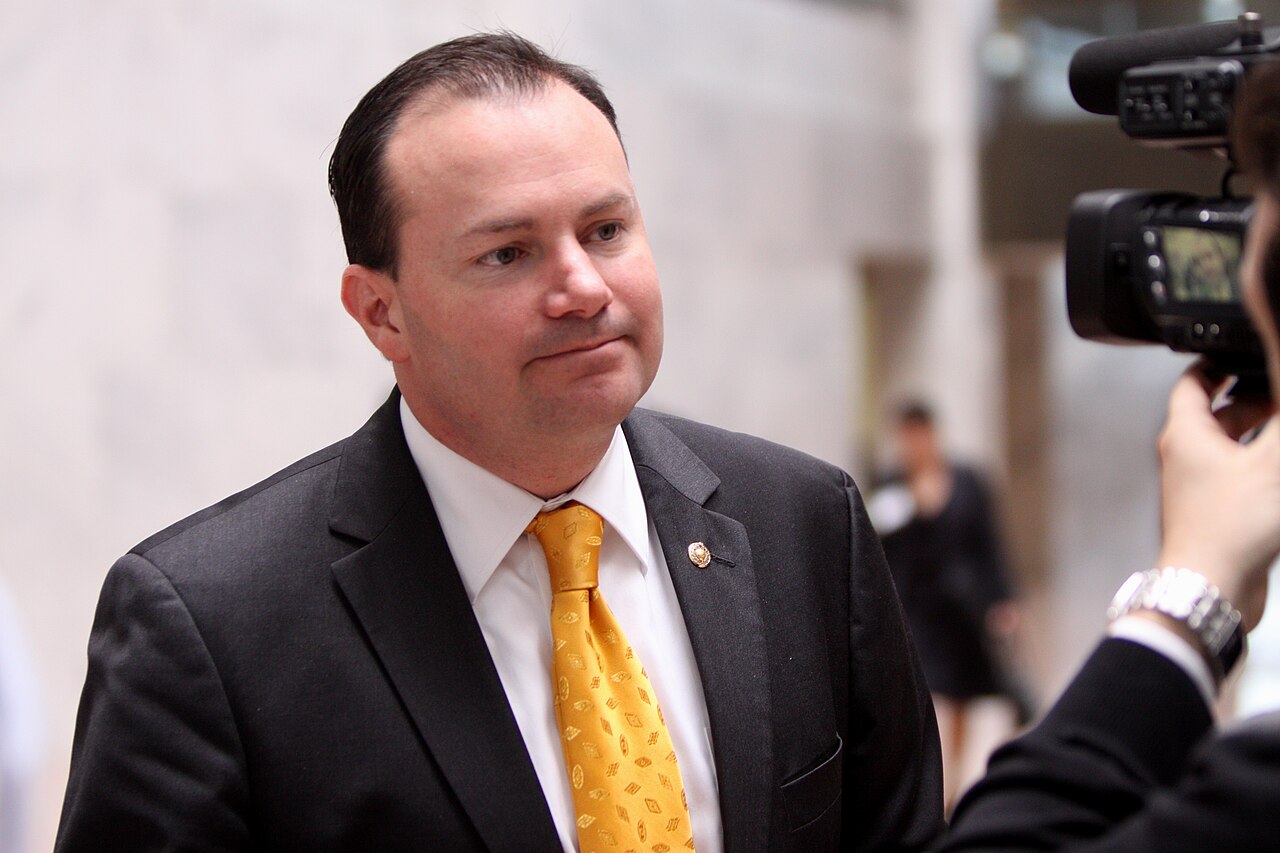
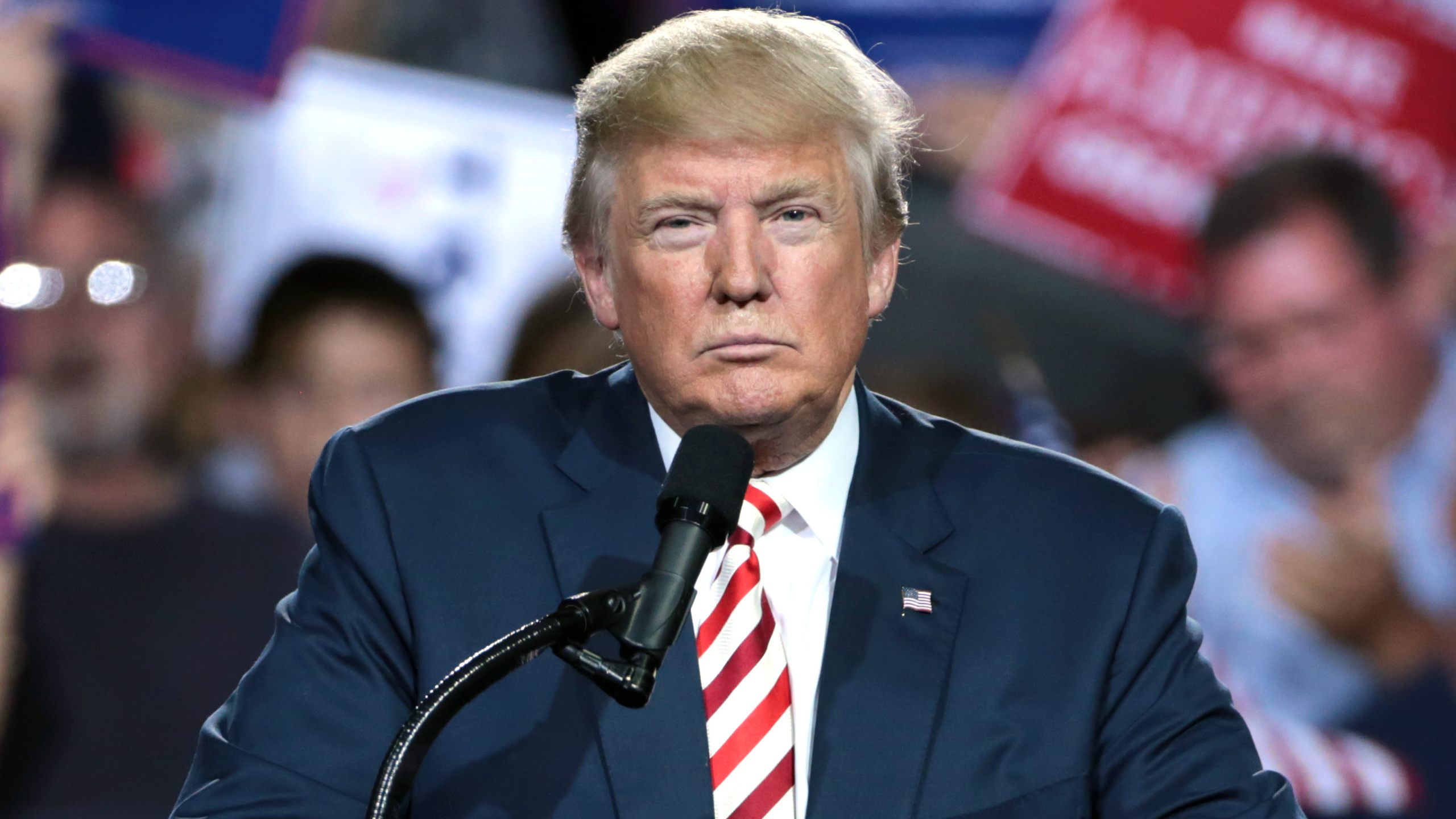
A Utah senator's bold new piece of legislation threatens to reshape how Americans vote, igniting fresh debate about election security versus federalism. The proposal—backed by President Trump himself and gaining support across Republican leadership—would impose strict requirements on citizens seeking to cast ballots in federal elections, marking the most ambitious push for uniform voting standards in years.Senator Mike Lee introduced the SAVE America Act this week alongside Republican Congressman Chip Roy of Texas, an upgraded version of their prior SAVE Act that passed the House in April 2025 but has languished in the Senate ever since. The new bill adds a muscular voter ID requirement on top of the original proof-of-citizenship mandate, a name change and policy expansion Trump personally requested, Lee revealed on social media.'The SAVE America Act makes our original SAVE Act better,' Lee and Roy stated in a joint statement. 'President Trump rightly believes we should include Voter ID in this bill as we make a renewed push to secure our elections and protect the rights of American voters. By requiring Voter ID and proof-of-citizenship, the SAVE America Act will ensure that our federal elections are decided by U.S. citizens—and U.S. citizens alone.'The legislation has gained remarkable traction on Capitol Hill. At least 48 Senate Republicans have co-sponsored the bill, according to congressional records, with 17 signing on in January alone. Senate Majority Leader John Thune indicated support this week, telling reporters he will schedule a vote 'at some point', though no firm date has been set. In the House, pressure is mounting: Republican Representative Anna Paulina Luna threatened to block a must-pass spending package unless the bill is attached, warning that a standalone Senate vote would fail.How The SAVE America Act Would Reshape Election SecurityThe mechanics are straightforward but consequential. Under the proposed law, voters would face two distinct checkpoints. First, during registration, states would be required to obtain proof of citizenship in person—a birth certificate, passport, naturalisation certificate, adoption decree, or similar documentation. Second, at the polling place, voters would need to present an eligible photo ID compliant with federal REAL ID guidelines or an equivalent document before receiving a ballot.'There are really two checkpoints to vote,' explained Jason Perry, director of the Hinckley Institute of Politics. 'The first is registering, and this act would require proof of citizenship. The second is voting itself, which would require voter ID.' The bill also requires states to remove non-citizens from existing voter rolls.Lee's social media defence of the measure struck a populist note. 'It makes no sense to require ID for everyday activities but not to vote,' the senator argued, implying inconsistency in current law. This framing has resonated with conservatives keen to position the bill as common-sense security rather than burdensome restriction.Federalism Tensions: States' Rights Concerns Amid National PushYet the legislation has sparked concerns about federal overreach into state authority. Elections remain fundamentally a state responsibility under the Constitution, though Congress maintains limited power to regulate 'time, place, and manner' of federal elections. This tension sits at the heart of opposition from some quarters.Former Utah Governor Gary Herbert warned against centralising control. 'I think states ought to be left to their own devices to do the voting and how they want to do it, certainly within the law,' Herbert said. He added that cases of non-citizens voting are 'really very small' — a claim supported by recent research suggesting such instances are exceedingly rare and often accidental.The Brennan Center for Justice counters that more than 9 per cent of voters lack citizenship documents on hand, affecting approximately 21.3 million people, particularly married women who have changed surnames. Meanwhile, it is already illegal for non-citizens to vote in federal elections, carrying potential felony charges or deportation.Lee and fellow Republicans argue the SAVE America Act provides 'multiple ways' to prove citizenship, mitigating practical barriers. Whether that assertion withstands legal challenge remains uncertain. The U.S. Supreme Court's 2008 decision in Crawford v. Marion County Election Board upheld photo ID laws as facially constitutional, but left open the possibility that specific implementations could face challenges based on discriminatory effects.Trump has made election integrity central to his second administration agenda, signing an executive order last year that included citizenship requirements. The SAVE America Act represents a legislative manifestation of that priority, positioning Republicans as champions of ballot security whilst critics worry about voter suppression dressed in procedural language.For Moscow, Utah's political establishment and beyond, the coming weeks will reveal whether this bill moves forward—and whether states prove willing to embrace or resist federally mandated voting requirements.