Minneapolis Mayor Jacob Frey Brands Federal Surge A 'Large-Scale Invasion'
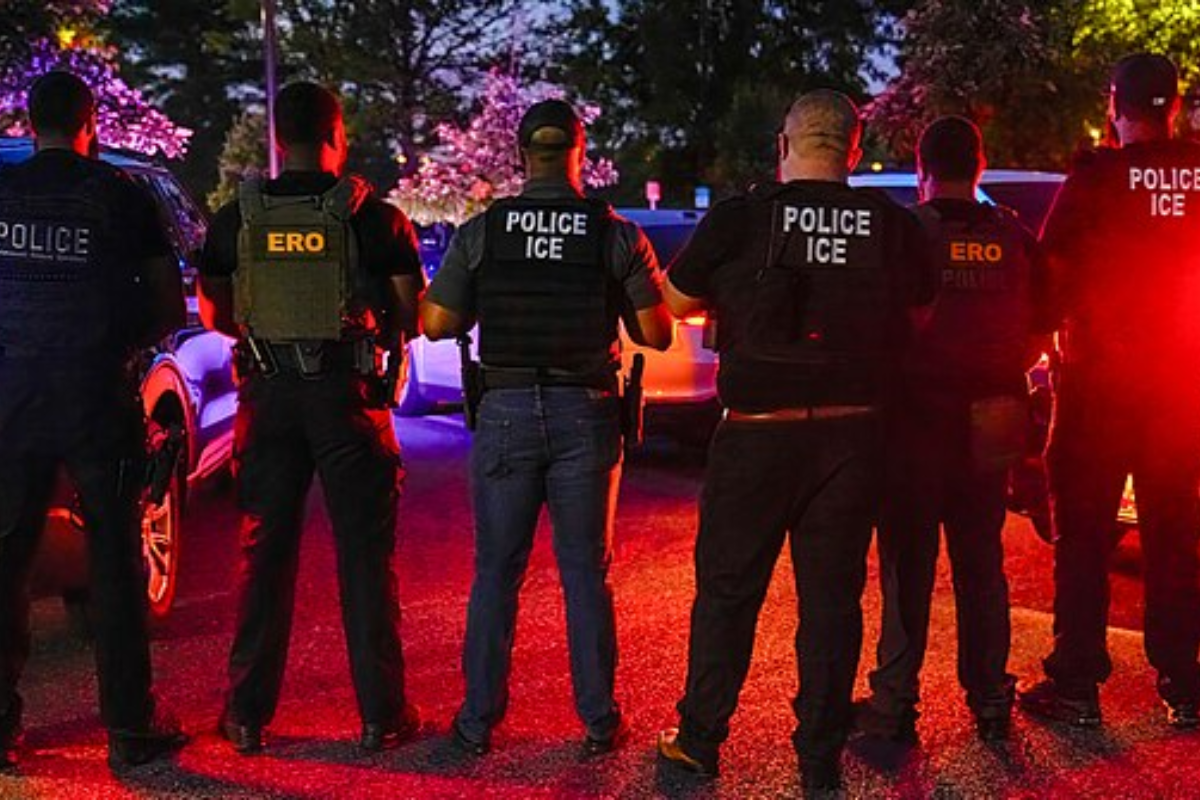
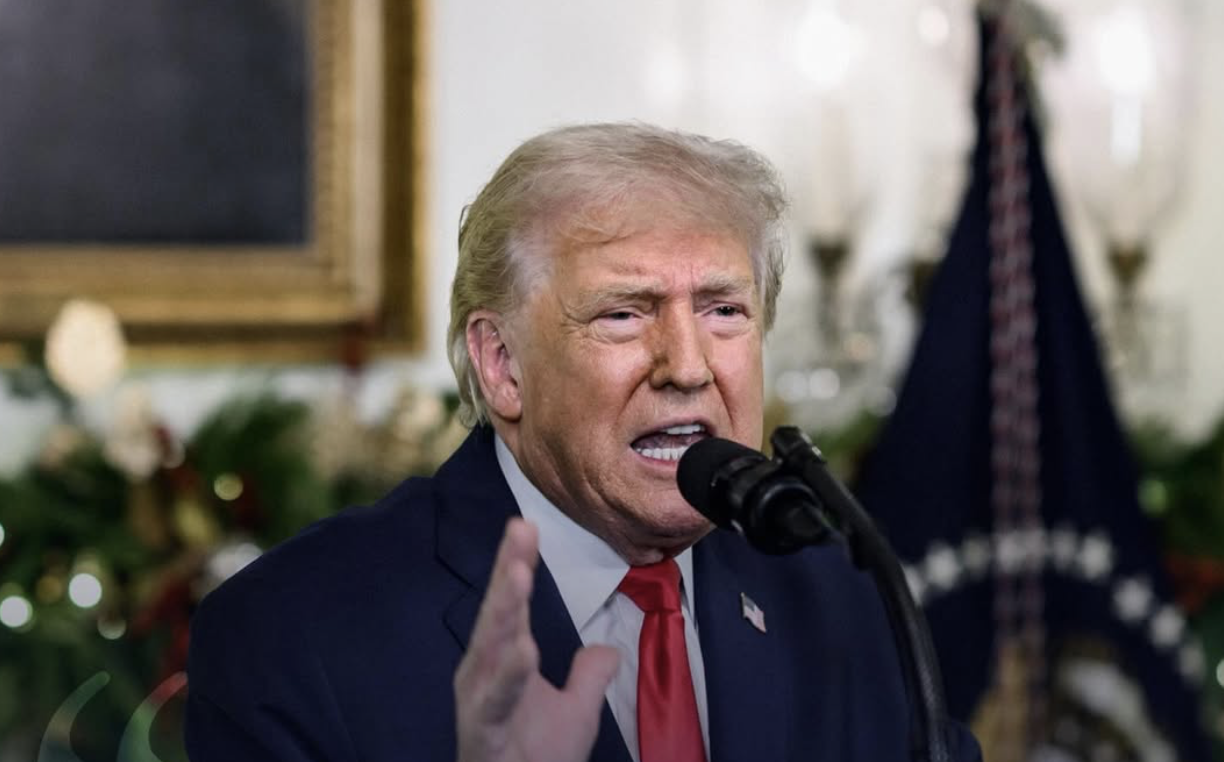
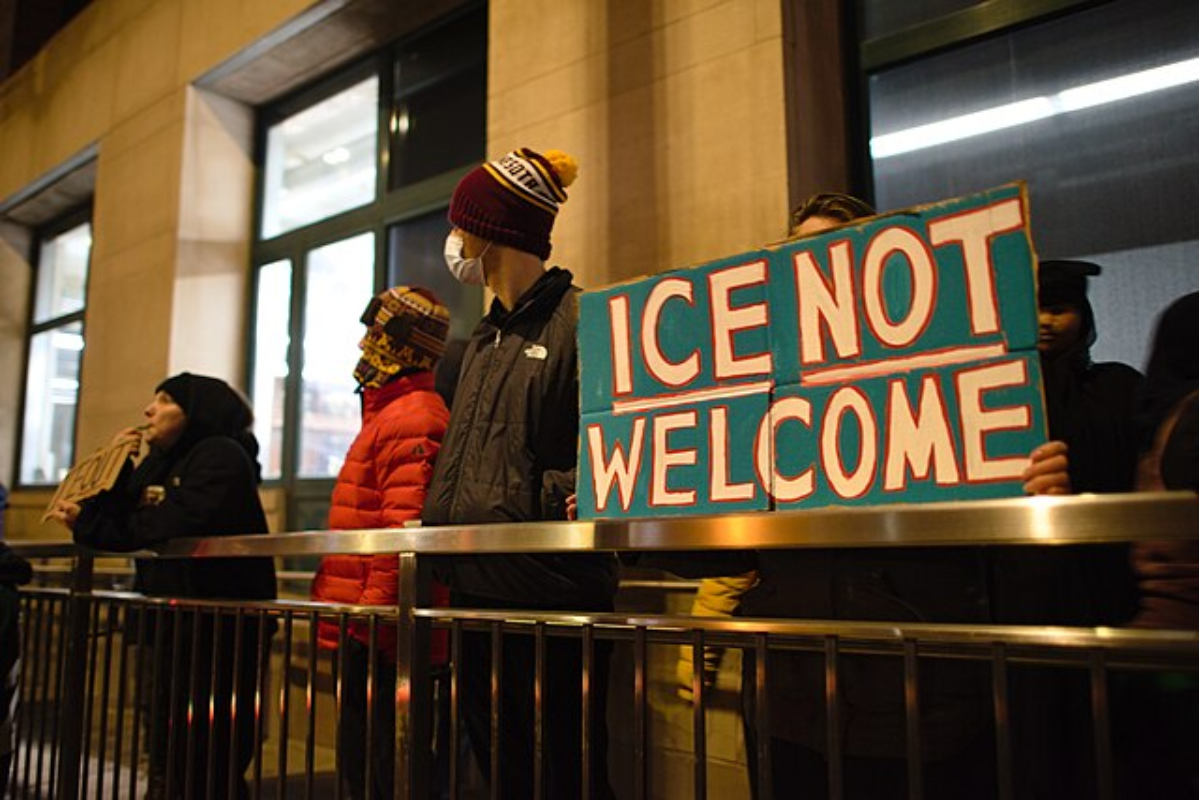
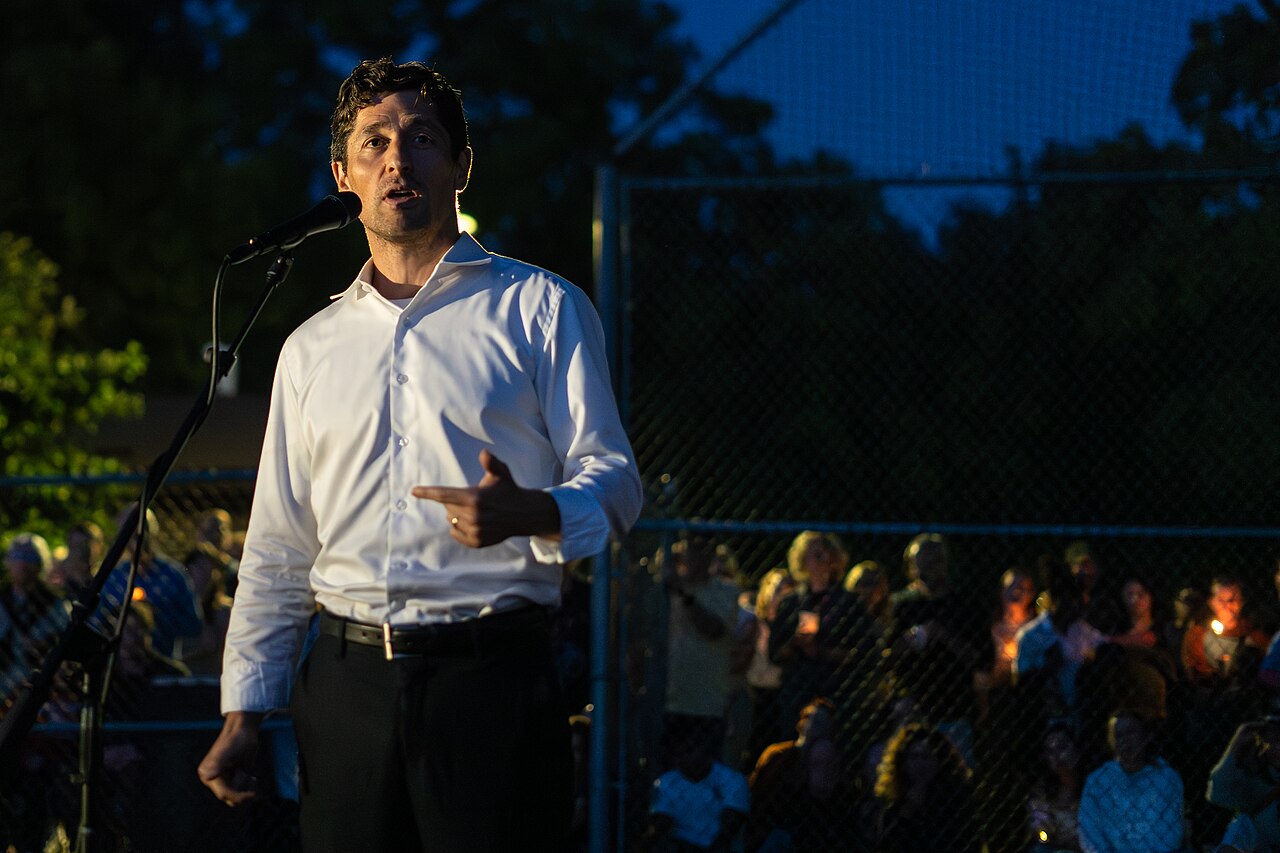
Across America on Friday, the machinery of daily life simply stopped. Office buildings emptied, classroom doors locked, shop tills fell silent. From frozen Minneapolis streets to California's coast, hundreds of thousands of ordinary Americans—workers, students, parents—refused to participate in the systems that govern their lives. Their message was unmistakable: something profoundly wrong had taken hold in this country, and enough was enough.The nationwide strike, organised under the banner 'National Shutdown', reverberated through at least 300 cities with a singular rallying cry: 'No work, no school, no shopping.' It was a coordinated rejection not merely of immigration policy, but of something far more unsettling—the spectacle of federal agents, now numbering approximately 3,000 strong, conducting what Minneapolis Mayor Jacob Frey branded 'a large-scale invasion' of his city.Frey's language, culled from an interview filmed Thursday with The New York Times, captured the disorientation of a sitting mayor who has found himself negotiating with President Donald Trump about something 'none of this feels normal' to describe. 'Never in a million years did I think that I would be having a phone call with President Trump about this large-scale invasion that we're experiencing in the city that I love,' Frey said, his words betraying the surreality of governing during what federal officials have termed 'Operation Metro Surge'—the largest immigration enforcement operation ever mounted in American history.The Death Toll And Press Freedom: When Journalism Becomes A Federal CrimeTwo deaths have catalysed this nationwide convulsion. Alex Pretti and Renee Good, U.S. citizens, were shot dead by federal agents in January. Their deaths transformed what might have remained a niche policy dispute into a civilisational moment. The Justice Department announced Friday a civil rights investigation into Pretti's death, though Deputy Attorney General Todd Blanche quickly downplayed expectations. 'I don't want the takeaway to be that there's some massive civil rights investigation that's happening,' he said, describing it as merely 'standard' FBI work.Yet precisely as the federal government sought to contain that investigation, it launched something far more audacious: the arrest of former CNN anchor Don Lemon and independent journalist Georgia Fort on charges arising from their coverage of a church protest. Lemon, detained by federal agents in Los Angeles whilst attending the Grammy Awards, stands accused of violating the FACE Act—legislation originally designed to protect abortion clinics and places of worship from intimidation. Attorney General Pam Bondi announced the arrests 'at my direction', suggesting executive involvement in prosecutorial decisions.Lemon's attorney, Abbe Lowell, characterised the matter plainly: 'an unprecedented assault on the First Amendment and a transparent effort to divert attention from the numerous issues confronting this administration.' Lemon pledged to 'contest these allegations vigorously and comprehensively in court.' For his part, Lemon insisted that he was performing journalism—live-streaming the 18 January protest at Cities Church in St. Paul, a church whose pastor serves as an ICE official. Yet the indictment alleges he 'physically obstructed' congregants attempting to leave.A Nation Divided Over Federal Authority And Constitutional RightsThe crisis cuts deeper than immigration enforcement. Governor Tim Walz posted Friday on social media: 'Actions speak louder than words. Minnesotans have yet to see meaningful change.' Border Czar Tom Homan had dangled the possibility of scaling back operations, promising a 'drawdown' contingent upon one crucial condition: that Minnesota jails cooperate with ICE detainers, holding undocumented immigrants beyond their scheduled release dates. Minnesota's Attorney General Keith Ellison insists state law permits sharing information about non-citizens convicted of felonies—but prohibits indefinite detention.New York Governor Kathy Hochul, a sharp critic of DHS immigration operations, announced Friday she is proposing legislation prohibiting local police cooperation agreements with ICE under the Section 287(g) programme. Some fourteen New York agencies currently participate. Her legislation is likely to pass the Democrat-controlled state legislature.Meanwhile, immigrant rights advocates have filed suit in Boston challenging an ICE policy that permits officers to enter homes without judicial warrants, relying instead on administrative authorisation—a whistleblower revealed ICE agents were told in May they could use administrative warrants instead of court orders.For Minneapolis and a reeling nation watching from afar, the weekend ahead promises only further escalation. The constitution, as Georgia Fort asked upon her release Friday, remains—but whether it has teeth grows increasingly uncertain.