Wonder Woman’s New Era Is an Overdue Win for Women Everywhere
If you’ve been following Tom King’s Wonder Woman run, you know that Diana Prince has recently embraced motherhood, welcoming her daughter, Elizabeth Marston Prince. Now, guest writer Stephanie Williams takes this new chapter to an entirely new level, reminding us exactly what Wonder Woman represents. Wonder Woman, first created in 1941 by psychologist William Moulton Marston and his wife Elizabeth née Holloway, is one of the most iconic female figures in pop culture. From her very inception, Diana of Themyscira has been a symbol of women’s empowerment, representing female agency, independence, and the idea that women can break the gender roles imposed on them.
Wonder Woman was ultimately created so girls could see themselves in a hero at a time when the superhero world was overwhelmingly male. Now, thanks to Stephanie Williams’ Wonder Woman #29, a whole new subset of women can see themselves in the Amazon Warrior, as Diana endures a female hardship that has never before been explored in her 85 years in comics: postpartum depression.
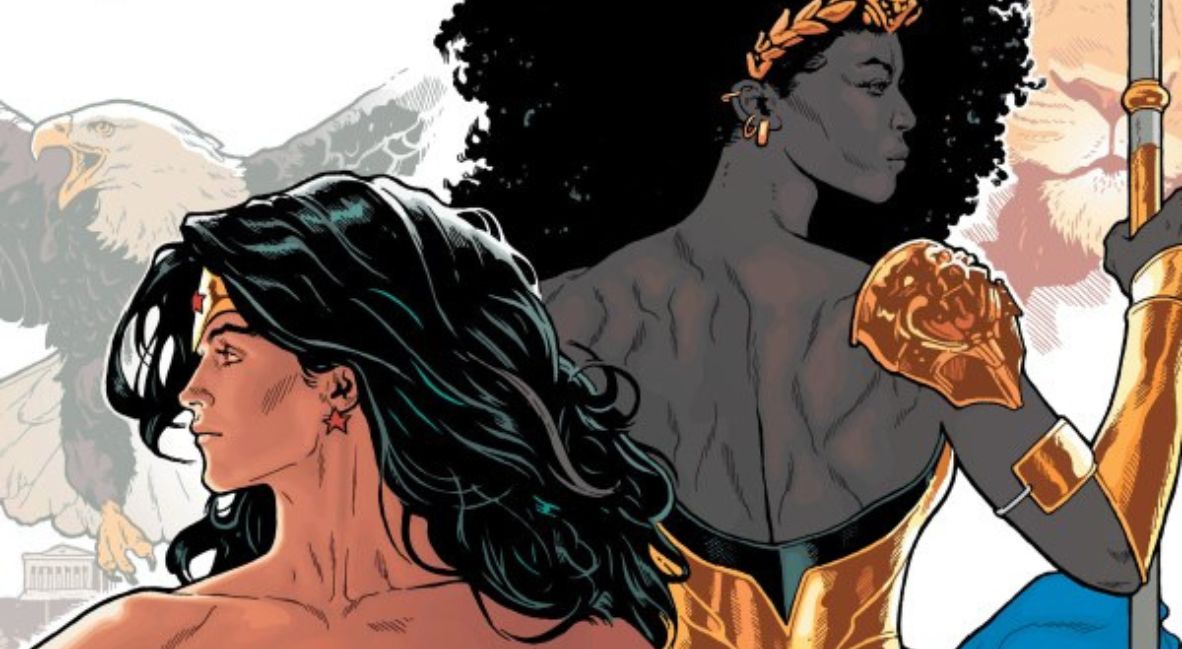
Main Cover by Jeffrey Spokes for Wonder Woman #29 (2026)
Postpartum depression is a type of mood disorder that can occur after childbirth, causing feelings of sadness, anxiety, and exhaustion that interfere with daily life and bonding with the baby. Unfortunately, this condition has been heavily stigmatized, with society often making women feel guilty or ashamed for experiencing it instead of offering the support they need. While understanding and compassion for postpartum depression have been growing, the condition has yet to be fully de-stigmatized. That is why it is so important for it to be represented in media. Stephanie Williams is doing her part in Wonder Woman #29, showing that even THE Wonder Woman can experience postpartum depression, bringing visibility to a struggle that affects countless women.
Wonder Woman #15 Queenly Diana feature trinity lizzie daughter
Even more impactful than Diana’s struggle is the response of her Amazon sisters. Exhausted, anxious, and questioning her worth as a mother, classic signs of postpartum depression, Diana turns to them. And what do Nubia and the rest of the Amazons do? They don't shame her; they offer the support and help she needs.
Nubia reassures Diana that her exhaustion does not reflect the quality of her motherhood, and along with Cassie, Donna, and Yara, offers to watch Lizzie so Diana can rest and refresh herself. This scene is a masterclass in the response all women with postpartum depression deserve. By showing Wonder Woman navigating this challenge, Williams represents a whole new subset of women in Diana’s narrative, and a win for some women is a win for all. Wonder Woman #29 is now available to read from DC Comics!






Comments (0)