Tesla’s Retail Reset in Japan Shows How EV Sales Can Take Off Fast
Tesla had a strange year globally in 2025. Sales softened in several major markets, and deliveries fell worldwide. At the same time, one country moved sharply in the opposite direction.
Japan.
According to data from the Japan Automobile Importers Association, Tesla sold roughly 10,600 vehicles in Japan last year. That represented about a 90 percent increase year over year and nearly doubled the company’s previous record from 2022. Japan stood out as one of Tesla’s strongest markets at a time when global deliveries dropped to 1.63 million vehicles.
The turnaround began in late 2024 when Richi Hashimoto stepped in as country manager and focused on a simple problem. Most people in Japan were not encountering Tesla in their daily lives.
“With low brand awareness, few people would set out to come to a Tesla dealership along a busy road. We first had to introduce people to Tesla.”
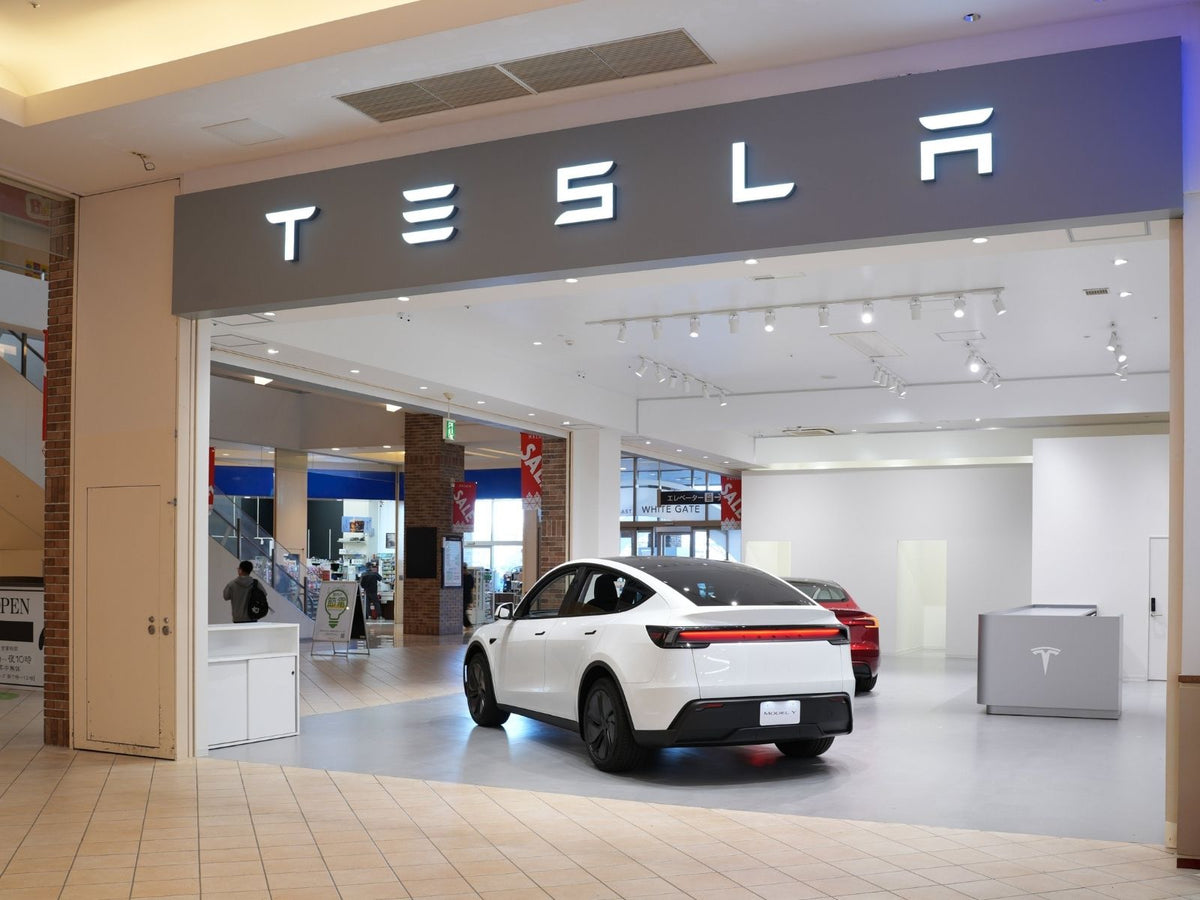
Instead of relying on standalone showrooms along highways, Tesla shifted into high-traffic shopping centers. In 2025 alone, the company opened 16 permanent storefronts inside major malls. These locations were small, approachable, and paired with test-drive vehicles parked just outside. Shoppers could walk in, learn the basics, and leave without pressure.
By the end of the year, Tesla operated 29 locations nationwide, including its first presence in regions like Okinawa and Hokkaido. The brand went from being easy to miss to hard to ignore.
The retail shift exposed another issue. Sales staff needed deeper product knowledge. When Hashimoto arrived, only a small portion of employees met his expectations. Tesla retrained the entire sales team in three months and rebuilt onboarding so new hires could begin selling within their first week.
That change showed up quickly in store performance. Tesla averaged about 366 vehicle sales per location in 2025. Mercedes-Benz averaged roughly 250, while BMW came in near 210. Tesla achieved this while continuing to rely heavily on online ordering.
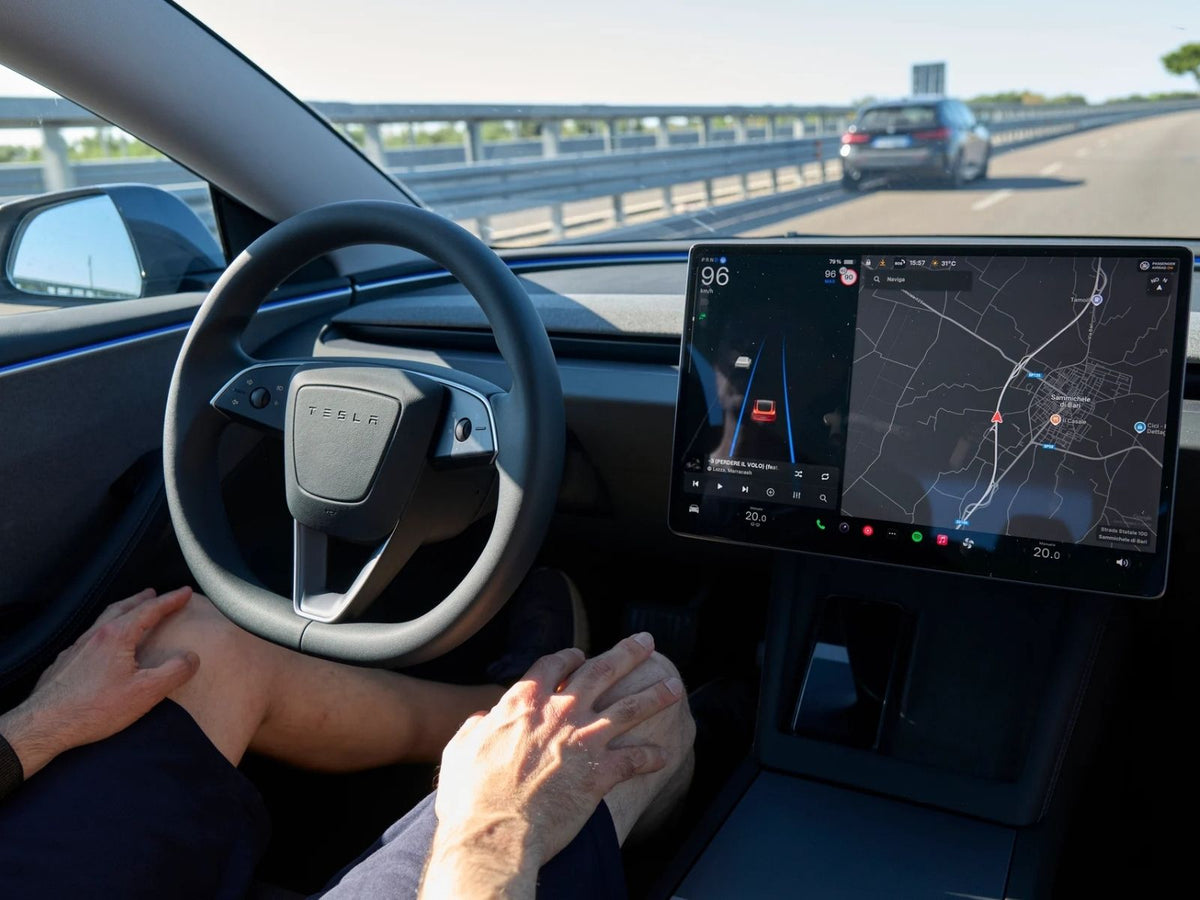
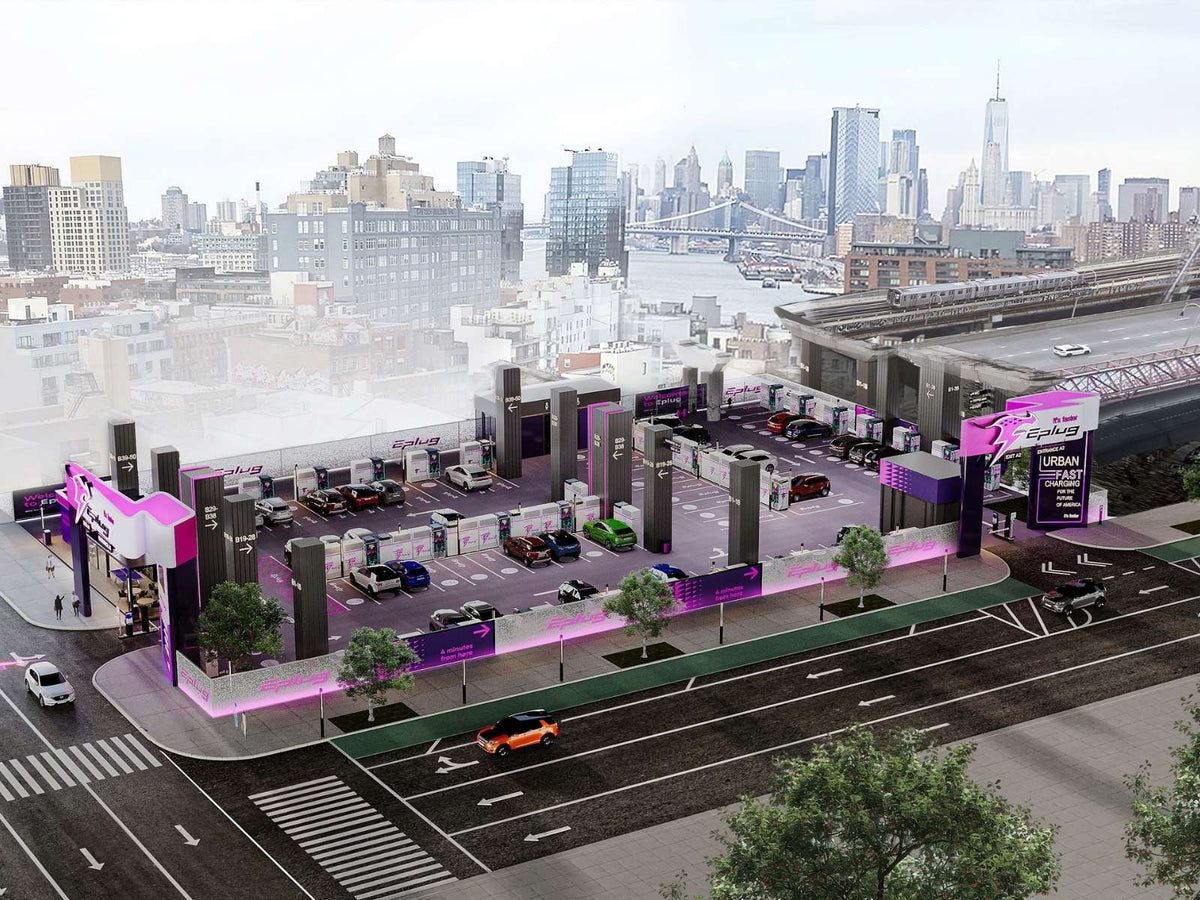
Infrastructure reinforced buyer confidence. Tesla plans to expand its Supercharger network in Japan to more than 1,000 charging points by 2027, offering a faster and more reliable experience than the country’s legacy CHAdeMO network. Software progress added momentum as well, with Full Self-Driving expected to arrive in Japan as early as this year.
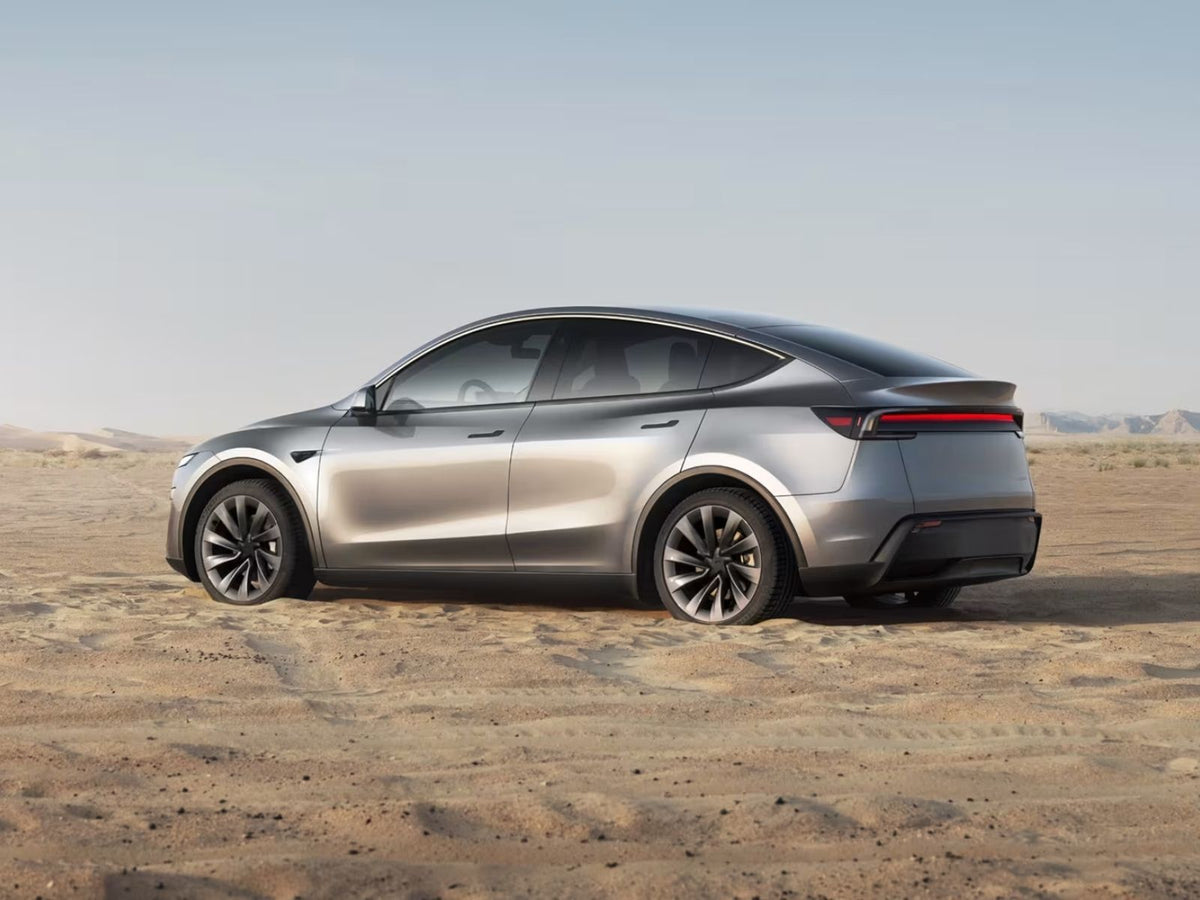
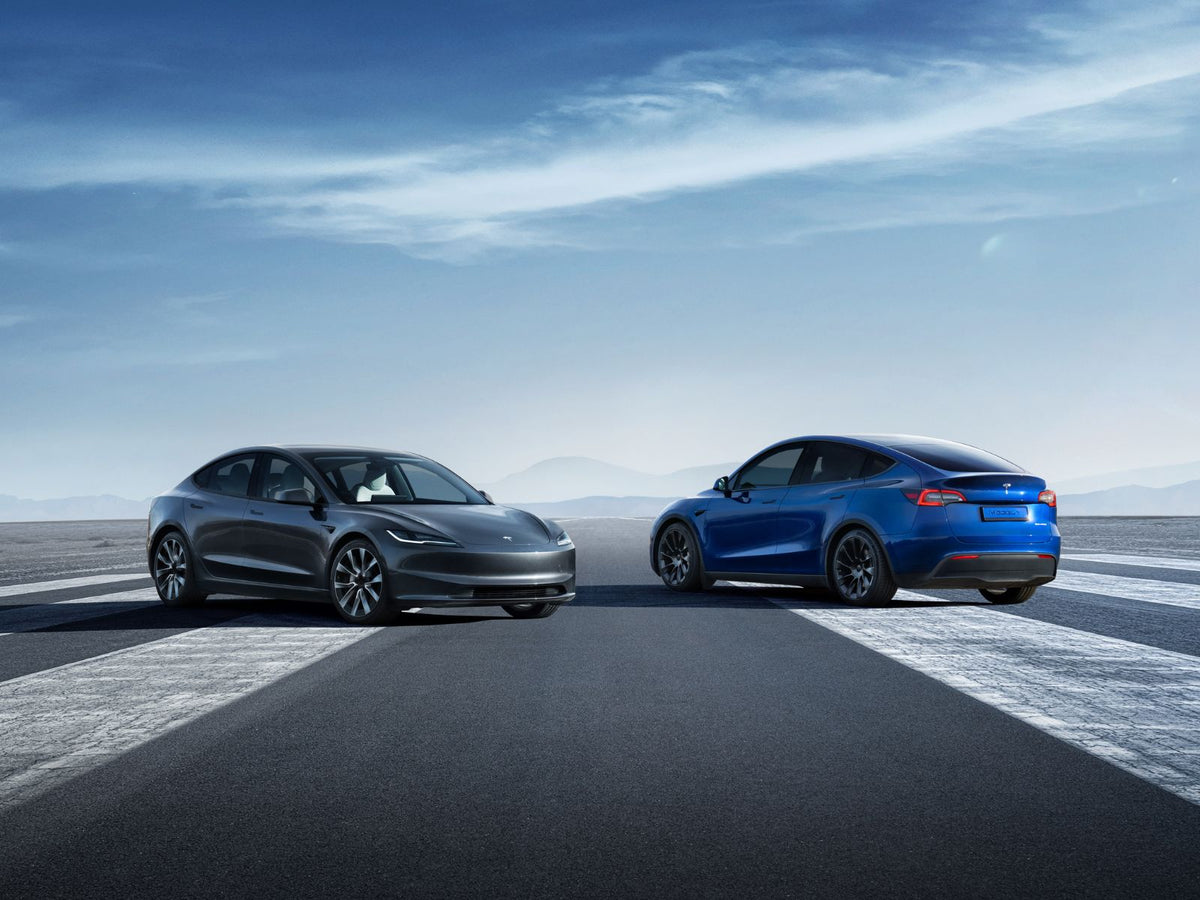
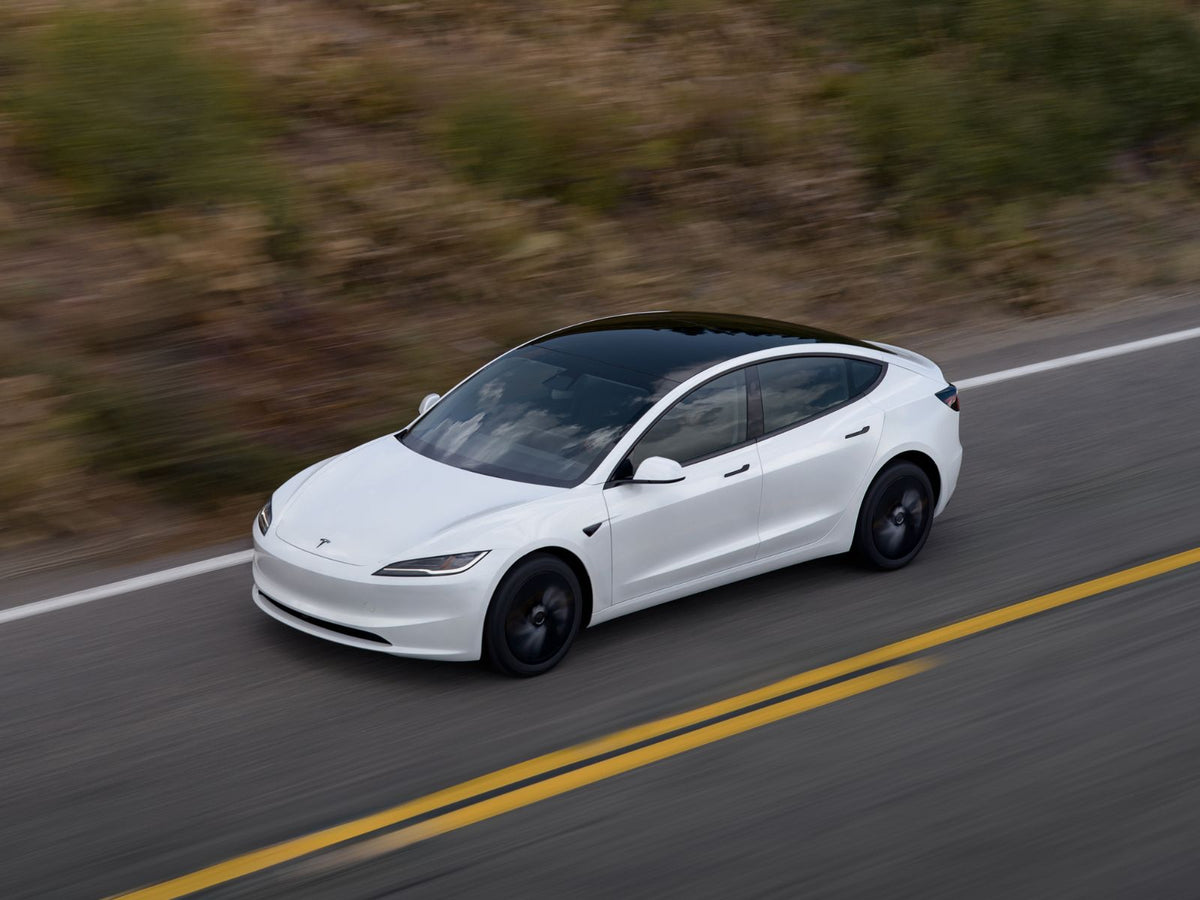
The final catalyst came in early 2026. Tesla introduced 0 percent financing for up to five years on the Model 3 and Model Y, paired with Japan’s ¥1.27 million Clean Energy Vehicle subsidy. Effective pricing dropped to around ¥4.04 million for the Model 3 RWD and ¥4.30 million for the Model Y RWD. Monthly payments landed at roughly $115 for the Model 3 and $120 for the Model Y, sharply lowering the entry barrier for first-time EV buyers.
Japan’s results point to a clear lesson for EV adoption. Visibility matters. Knowledgeable staff matter. Charging access matters. When those pieces line up, buyers move quickly.
Source: DriveTesla
Photo Credit: Tesla Japan