Why EV Range and Charging Still Matter More Than Price in the U.S.
Talk to anyone shopping for an EV and the same questions surface fast. How far will it really go, and how easy will it be to charge when life gets hectic. A new global study shows those concerns still outweigh price for many American buyers.
The Deloitte 2026 Global Automotive Consumer Study found that range anxiety remains the top reason U.S. consumers hesitate to go electric. Charging time followed closely behind, with cost ranking third. That order matters. It suggests EV adoption in the U.S. is less about affordability and more about confidence.
“Nearly half of U.S. consumers say driving range is their biggest concern when considering an electric vehicle, ahead of charging time and overall cost.”- Deloitte Global Automotive Consumer Study, 2026
Deloitte surveyed more than 28,500 consumers across 27 countries in late 2025. In the U.S., 47 percent of respondents cited driving range as their biggest concern. 44 percent pointed to charging time. 40 percent mentioned overall cost. Even with more models available and prices stabilizing, daily usability still drives decisions.
EV purchase intent in the U.S. rose only slightly year over year, moving from 5 percent to 7 percent. Gas vehicles remained dominant at 61 percent, while hybrids and plug-in hybrids held 26 percent. That slow movement signals caution rather than rejection. Buyers are interested, but they want the transition to feel seamless.
Lower operating costs remain the strongest motivator for switching. Electricity stays cheaper than gas, especially when charging happens at home. That advantage fades quickly when drivers depend on public charging alone.
Here’s where the bottleneck shows up. About 77 percent of respondents said they plan to charge primarily at home, yet 53 percent reported they do not currently have access to a dedicated home charger. Without reliable home charging, range anxiety feels bigger and charging time feels more disruptive, even if the vehicle itself performs well.
The recent EV sales slowdown followed a predictable pattern. When the $7,500 federal tax credit ended, demand softened immediately. Cox Automotive reported EV market share fell from 11.6 percent in September to 5.8 percent in October, the first full month without the incentive. Those numbers still line up with other recent months, pointing to a pause rather than a long-term reversal.
Hybrids and plug-in hybrids benefited from that uncertainty. They offer efficiency gains without requiring drivers to rethink fueling habits. For many buyers, that feels like a safer step.
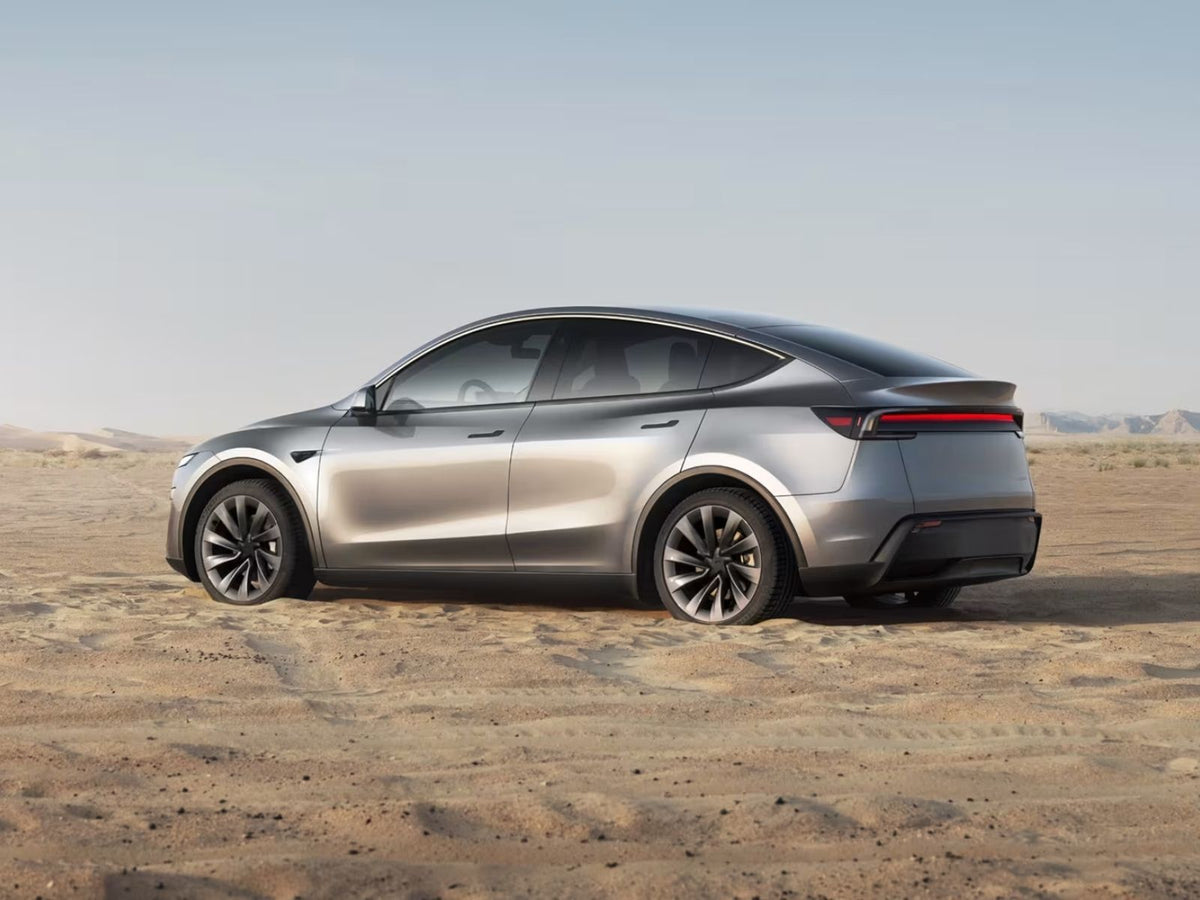
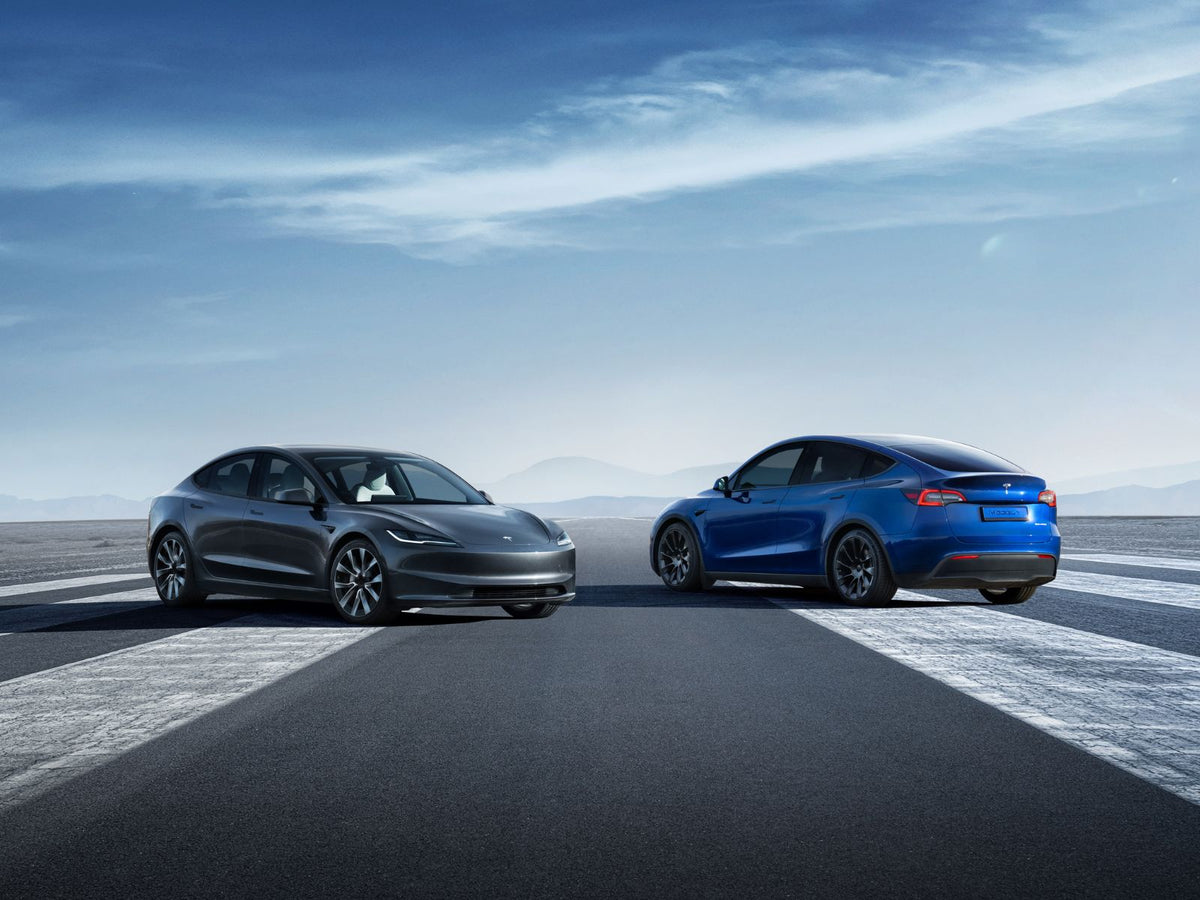
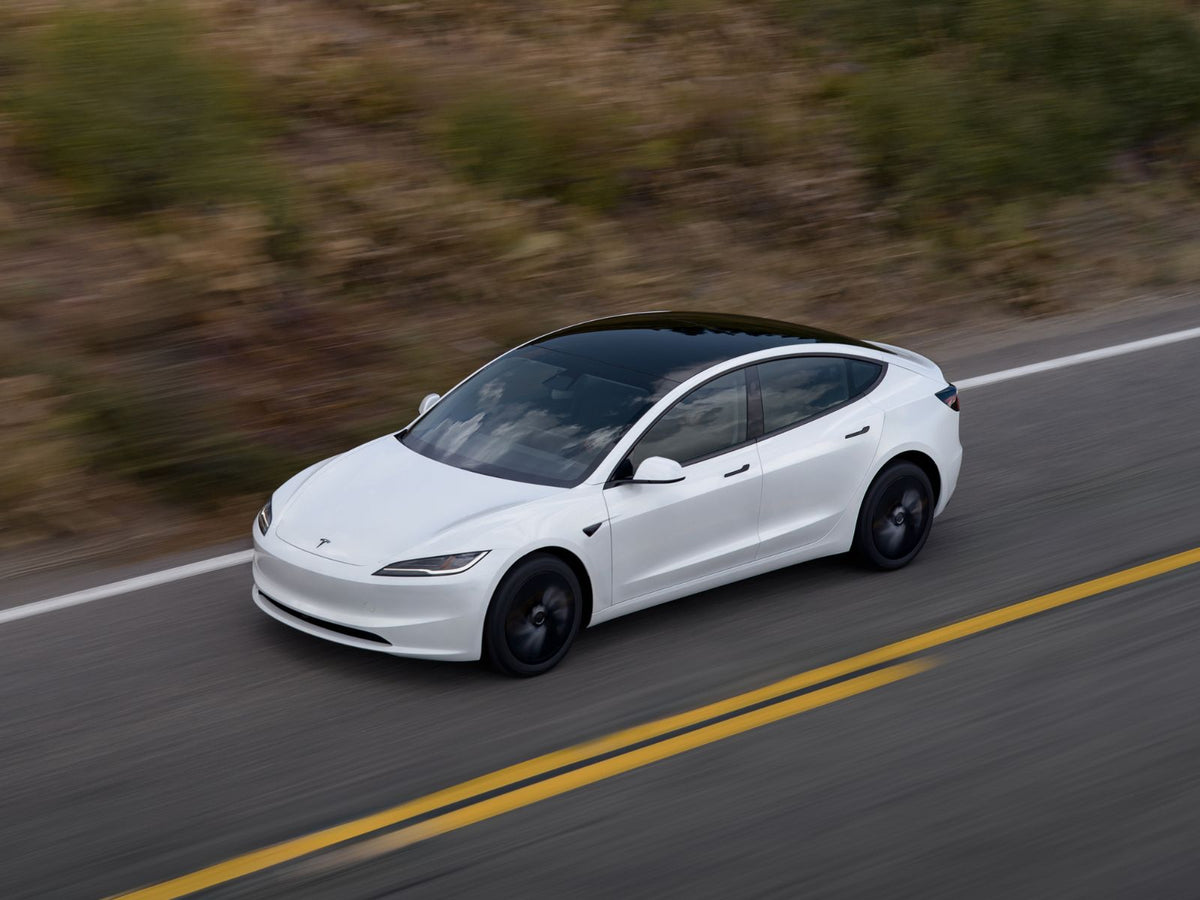
EV choice continues to improve. Models like the Chevrolet Bolt, Equinox EV, Nissan Leaf, and standard trims of the Tesla Model 3 and Tesla Model Y give buyers solid options around the $40,000 mark. Price is no longer the main hurdle it once was.
Brand loyalty is also weakening. 53 percent of respondents said they plan to switch brands on their next purchase. Quality ranked highest in that decision, followed by performance and price. Buyers are paying attention to how vehicles age, perform, and integrate into daily routines.
Software expectations are rising too. 62 percent of respondents said they would pay more for vehicles that improve over time through over-the-air updates. That mindset aligns closely with how modern EVs evolve long after delivery.
The message from the data is straightforward. Americans are practical. They want EVs that work smoothly every day. Range confidence, easy charging, and predictable ownership still matter more than headline pricing.
For drivers who already charge at home, those concerns fade quickly. For everyone else, they remain front of mind.
Source: InsideEvs