Tesla Is Turning Full Self-Driving Into a Subscription
Tesla is changing how drivers pay for Full Self-Driving, and it directly affects how owners think about using it day to day.
According to Elon Musk, Tesla will stop selling Full Self-Driving after February 14. From that point forward, FSD will only be available as a monthly subscription. Pricing currently starts at $99 per month, replacing the previous $8,000 one-time option.
This turns FSD into something closer to an on-demand feature. You subscribe when it fits your driving habits and cancel when it does not. Long highway commutes, road trips, or stretches of heavy daily driving all become natural use cases.
Full Self-Driving remains central to Tesla’s long-term autonomy roadmap, but adoption has been measured. On Tesla’s third-quarter earnings call, CFO Vaibhav Taneja said the paid FSD customer base represents about 12% of the current fleet. That is a small share considering how prominently the feature is discussed and marketed.
“The total paid FSD customer base is still small, around 12% of our current fleet.”
A subscription model lowers the barrier to entry. Drivers no longer need to commit thousands of dollars upfront to see whether FSD fits their driving environment or comfort level. For Tesla, it also creates a more predictable software revenue stream while encouraging more owners to try the system firsthand.
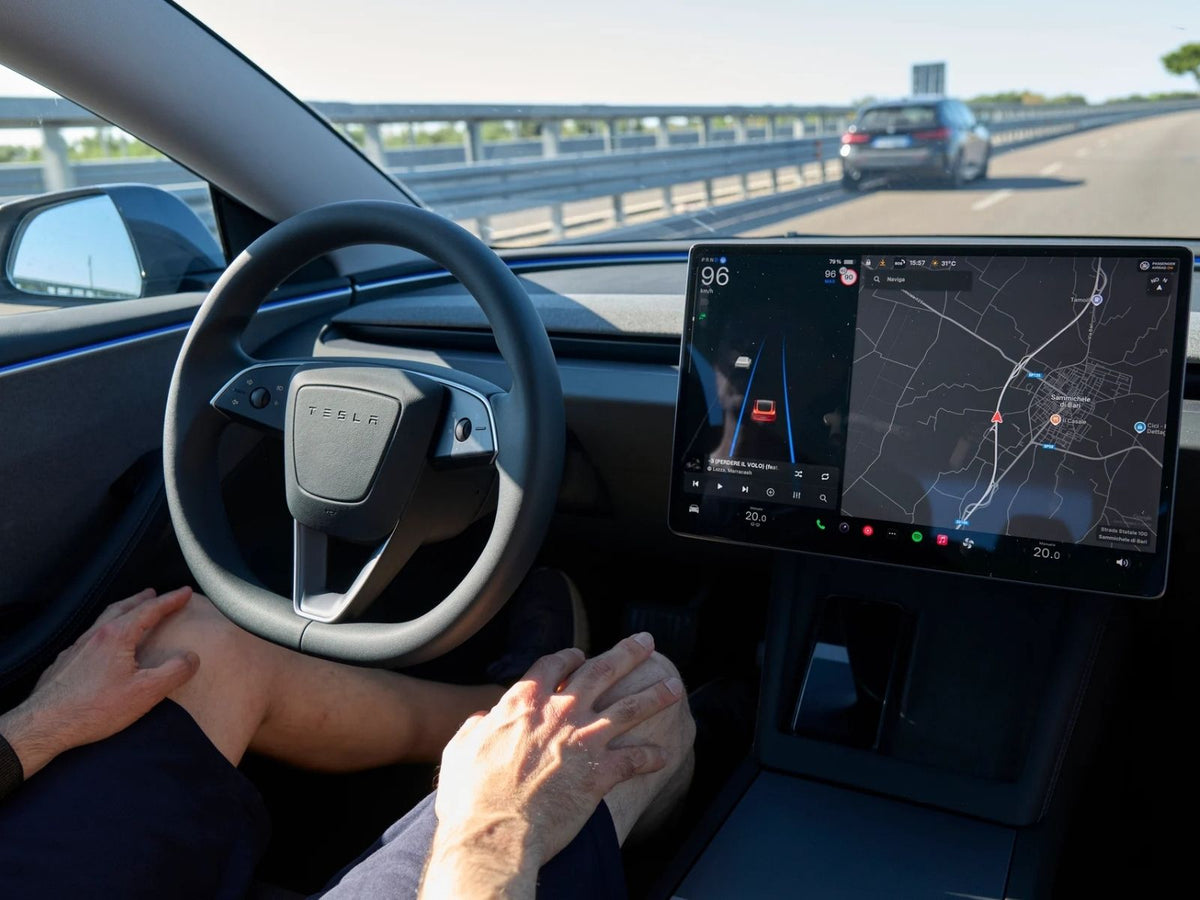
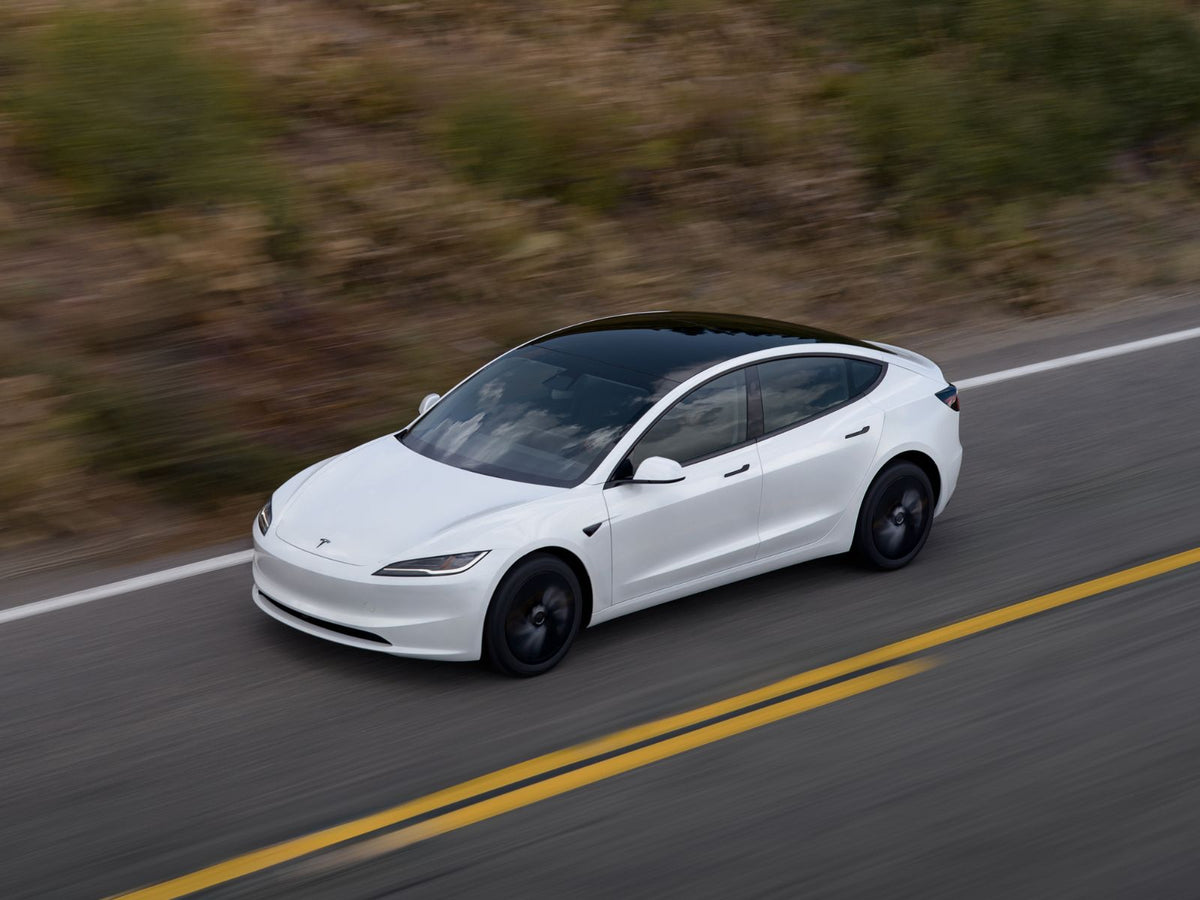
Despite its name, Full Self-Driving still requires active driver supervision. Tesla vehicles do not operate autonomously. The system assists with lane changes, navigation, traffic lights, and city driving tasks, while the driver remains fully responsible at all times.
Tesla’s autonomy efforts exist alongside other approaches in the market. Waymo, owned by Alphabet, reports more than 450,000 paid robotaxi rides per week across several U.S. cities. Those systems operate without a driver in select areas, while Tesla continues to focus on scalable, consumer-owned vehicles supported by supervised software.
For owners, the subscription shift simplifies the decision around Full Self-Driving. You can activate it for a long trip, a busy commuting period, or a specific season, then pause it later. With no resale value tied to permanent software ownership, attention naturally shifts toward physical upgrades and accessories that improve daily driving and retain value over time.
Tesla ownership continues to move toward a platform-style experience. The vehicle stays constant while features rotate based on need. For drivers who care about how their Tesla feels, functions, and holds up over years of use, that shift reshapes where long-term investment makes the most sense.
Source: CNBC