Could the Truman Brewery Be Turned Into a Data Centre?
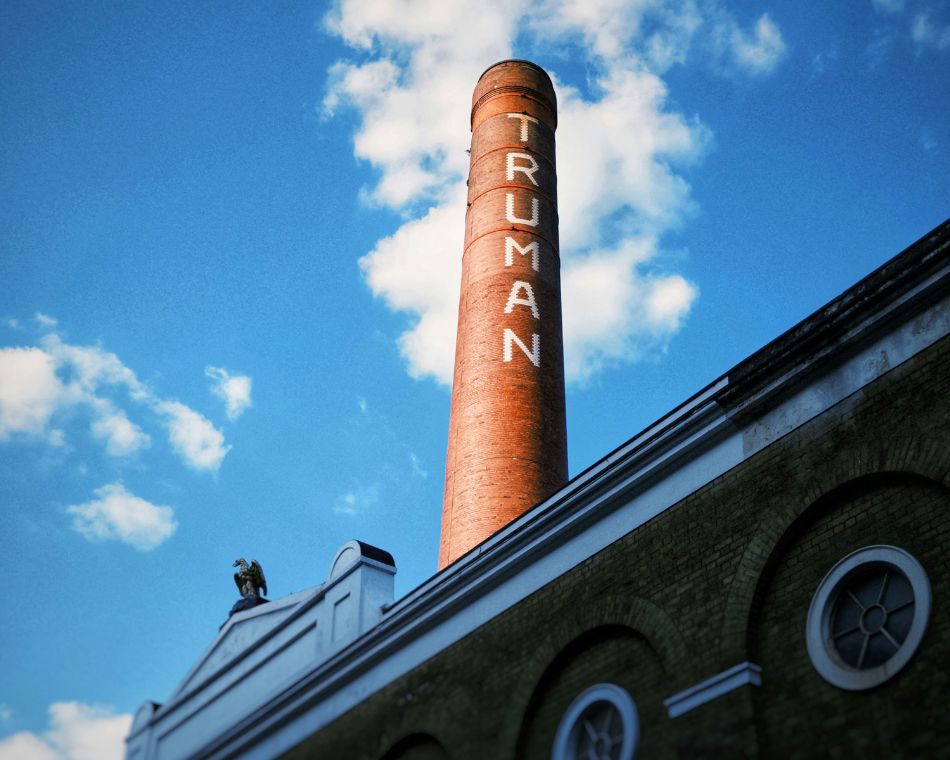
Once London’s largest brewery, the Truman Brewery on Brick Lane is now home to food markets, vintage stalls, homeware and music shops, coffee shops, gallery spaces, bars and more. It’s one of the biggest draws on what is one of the buzziest streets in all of the city. The Truman Brewery has been owned by the Zeloof family since 1995 and now they are pushing ahead with plans to redevelop the site.The proposals include turning a derelict building on Grey Eagle Street into a data centre, and demolishing some of the existing Truman Brewery to make way for 44 flats (including 11 social housing units) shops, restaurants, a cinema and a market. A redevelopment proposal had already been rejected by local councillors last July but in October, Housing Secretary Steve Reed “called in” the development, meaning that he can make the final decision on the plans, which now include the new data centre element.Last autumn, the government declared data centres – facilities that house servers and networking equipment to help power digital data services like AI and streaming – to be critical national infrastructure. Opponents of the Truman Brewery proposals believe that a data centre was added into the plans to make them more attractive.Data centres require vast amounts of energy to run them, and some housing developments in west London were delayed at the end of last year as the National Grid reached capacity. Of more than 100 new data centres planned to be built in the UK in the next five years, half will be in and around London, raising big questions over the amount of resources they will consume and the impact they will have on the city’s housing.Campaign group Save Brick Lane has launched a petition to stop the Truman Brewery data centre plans, writing “Brick Lane is not an abstract development site. It is a living cultural, social, and economic ecosystem with deep historical significance and an internationally recognised identity. The proposed data centre and wider Truman Brewery developments threaten to intensify environmental harms through increased energy consumption, heat output, and carbon emissions; place unsustainable pressure on local infrastructure, transport, and public services; undermine Brick Lane’s historic character, independent businesses, and cultural heritage; displace community uses in favour of developments that deliver minimal local benefit; and contradict Tower Hamlets’ own planning policies and climate commitments”.