The Party’s Not Over | Inside London’s New Nightlife
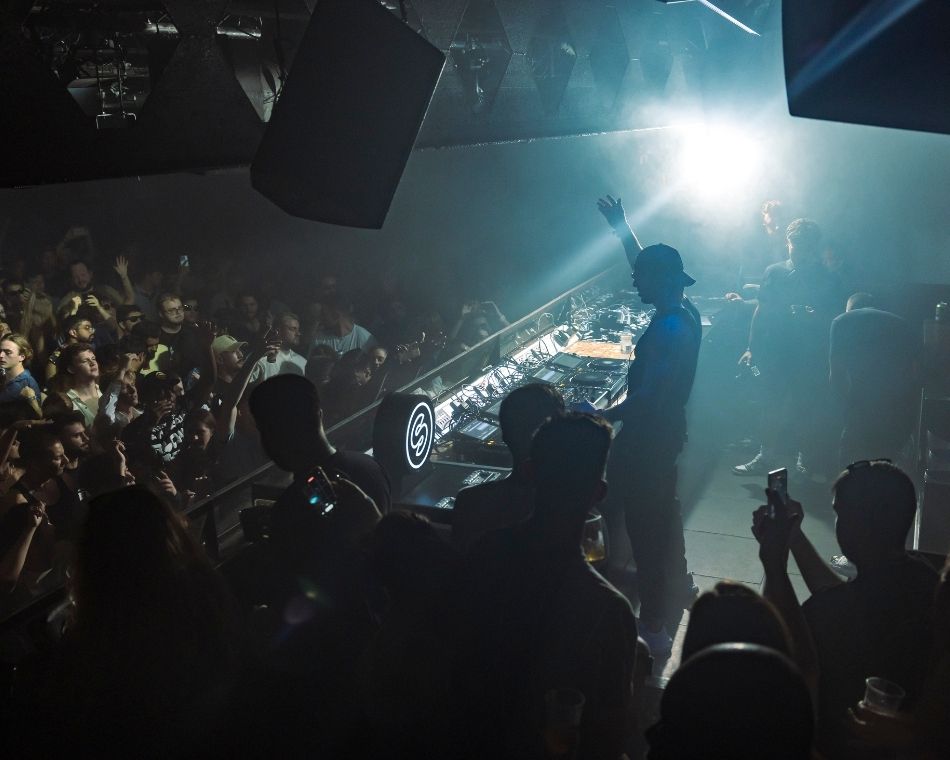
It’s certainly a topic we can’t stop debating. We’ve asked whether London will ever become a 24-hour city and where the capital’s late night culture is. We’ve shared the stats – over the last decade, 35% of grassroots venues and 61% of LGBTQ+ venues in London closed and 37% of UK clubs have closed since March 2020. And the closures keep on coming. G-A-Y Bar shut in the autumn of 2025 (its sister spot G-A-Y Late closed in 2023, a proposed new development in Hackney is putting MOTH Club at risk, and Corsica Studios is closing in 2026. Tax and National Insurance policies have been negatively impacting hospitality operators, with a host of London restaurants shuttering last year as a result of an increasingly tough landscape. And the high cost of living is still impacting consumer spending. Dan Savidge, founder of Euphonica, breaks it down. “Club entry has effectively become a luxury purchase. Since the late 90s, average ticket prices have risen by well over 100%. To give one example, entry to KOKO has gone from around £6 in the late 90s to a median ticket price of £29.50 when adjusted for inflation. That fundamentally changes who can afford to participate in nightlife, particularly younger people.”There’s no doubt that the scene is facing challenges, big ones, at both the customer and operator level. For Ministry of Sound’s Club Director Matt Long, “balancing rising operational costs and the cost of living with a constantly changing cultural landscape, while still staying creative and operating safely” is the number one struggle, with “ongoing pressures around licensing, redevelopment, and planning” also making things more complex for venues. Luke Huxham, Managing Director of Broadwick Live, who books and promotes the music seasons at Drumsheds, agrees that operators are being hampered by “outdated attitudes, inconsistent regulation and planning decisions that prioritise short-term development over long-term cultural value” and that “long-term future of club culture also depends on policymakers recognising that nightlife is essential.”MOTH ClubDrumshedsHowever, there are reasons to be optimistic. Brixton Storeys and Star Lane Pizza Bar received 24 hour licences last year and EartH in Dalston got permission to stay open until 5am. A sexy queer clubhouse and a 4000-capacity warehouse both opened in east London in 2025, and new nights like Lost and Open Mondays had people out partying (the old fashioned, phone-free way) until very late. The old Peckham Palais is being reborn in the early part of 2026, a London outpost of NYC jazz club Blue Note is on the way after Westminster Council changed its position on the licence, and Ronnie Scott’s is opening a new venue. XOYO is getting a new lease of life thanks to new owner Kirk Allen, who operates Green Room and The Warehouse in Leeds. He’s excited about taking on a venue in the city because “musically, the UK leads the way and consistently produces outstanding artists. This becomes even more evident when you see UK artists dominating lineups globally. London, being the cultural hub of the UK, plays a pivotal role in this.”Fabric, Drumsheds, Studio 338 and Ministry of Sound all featured in the World’s 100 Best Clubs List, published annually by the International Nightlife Association. Drumsheds has hosted over a million people across 100 events, including Sault’s debut live show, the Red Bull Culture Clash, and Bicep’s CHROMA launch. Ministry of Sound is celebrating its 35th anniversary this year, with a thorough renovation of its main room The Box, and a year-long celebratory programme including sets from Todd Terje, Eats Everything, Pete Tong, Ron Trent, Kölsch, Tony Humphries and more. It’s not just the big names drawing the crowds, with some of the most interesting programming found at venues like The Cause, Fold, Venue MOT and Carpet Shop.When we move our definition of nightlife away from nightclubs, the picture looks even brighter. “London’s nightlife has fundamentally shifted from a centralised clubland culture to a far more fragmented ecosystem. In the late 90s and early 2000s, there were dedicated “temples” of nightlife (venues like The End, Turnmills, Bagleys or Ministry) where entire scenes congregated every Friday and Saturday,” says Savidge. “Today, the energy is spread across dozens of smaller, often temporary or multi-purpose spaces, many of which place less emphasis on music as the primary focus. Late-licensed bars, destination venues and pop-ups have replaced the idea of the single pilgrimage club.”Roses of ElagabalusBlue NoteAs Sibling Studio and Nicola J Davis explore on Substack, the widening of the nightlife landscape is a positive thing, with more options for more people. “We’ve entered an era of seemingly endless choice, and not just on the weekends. For a city that absolutely does sleep, and is comparatively rigid with scheduling and accessibility, it’s evolving into a more ‘always-on’ mentality, with something for everyone most days of the week,” they write. The traditional nightclubs where you can go for a big night out are still there (albeit in depleted numbers) but now there are also spaces centred around specific communities and niche interests. Listening bars have exploded in popularity – see the likes of Jumbi, Space Talks, Mad Cats and the Meet in the Midi listening parties – as have saunas and sauna parties, and more cultural institutions, like the Barbican and Tate, are hosting late night events. London may not be on the level of NYC, Tokyo or some of our continental cousins when it comes to late-night dining but options in this space are also improving, thanks to the likes of Noodle & Beer, The Dover, Frites Atelier, and Dover Street Counter. Jeremy King’s much-anticipated revamp of Simpson’s in the Strand will feature two dining rooms and two bars, one of which will be open until 3am. So what else can we expect to see on the nightlife scene in 2026? Dan Savidge thinks listening-led venues will remain popular, “where sound quality and musical specificity are the main draw” alongside a “sound system renaissance” where places “ will increasingly invest in bespoke, high-end audio – in the tradition of places like Plastic People – to justify higher prices and appeal to a more discerning, slightly older audience who prioritise listening as much as dancing.” Ministry of SoundWith Annie Mac’s Before Midnight concept running a residency in London this year, he also expects experiential nightlife, “with music integrated into competitive socialising, high-end dining, and earlier or daytime formats – sometimes referred to as ‘soft clubbing’” to dominate. Kirk Allen foresees “nightlife becoming more integrated into everyday social life rather than being seen as an occasional treat” and Matt Long agrees, believing that “experiences will remain central to how people choose to go out, shaped by technology, culture, and a growing focus on wellbeing.” As well as the innovation, through “hybrid, flexible formats and spaces with a real diversity of programming”, Luke Huxham is also hoping for “collaboration with – and understanding from – policymakers and local stakeholders about the real value nightlife provides” to truly secure the future of club culture.