28 Years Later: The Bone Temple
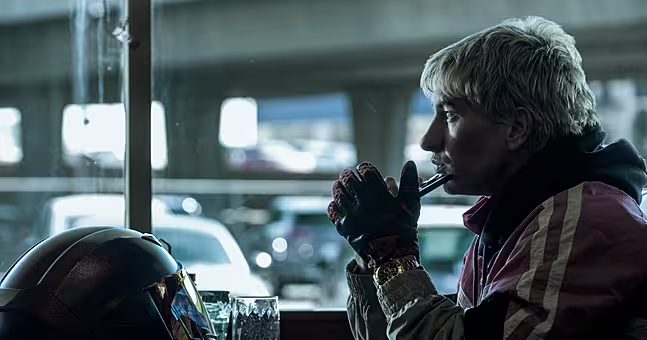
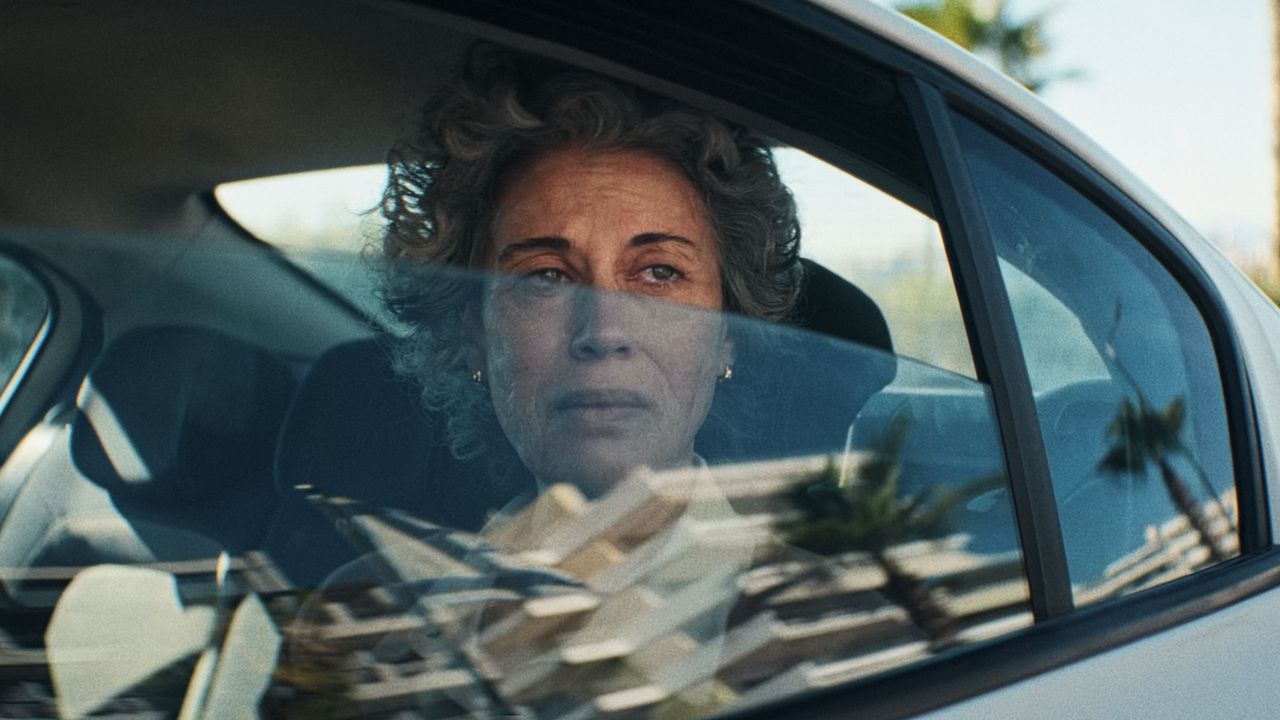
by JAMES CAMERON-WILSONThere is a moment when the good Dr Ian Kelson, played with world-weary wisdom by Ralph Fiennes, mutters, “OK, let’s turn this up to eleven.” Much of the old world, and the old order, has been lost to the ravages of an unspeakable man-made virus, but the older survivors like Ian still remember the cultural touchstones of their youth, like Rob Reiner’s This is Spinal Tap and, perhaps surprisingly, Duran Duran. The fourth instalment in this ingenious, terrifying and strangely pertinent franchise, again scripted by the redoubtable Alex Garland, does go the full eleven and yet again manages to surprise and to shock. The first ten minutes, with its extreme gore, sacrilege, full-frontal nudity, profanity and torture, fully deserves its 18 certificate, before ploughing into new territory with nerve-shredding verve.For those with a strong mental and moral constitution, The Bone Temple has many pleasures. Fear along should not be enough to distinguish a horror film for the ages, and the stomach-churning alchemy of Alex Garland’s writing encourages the best from the best filmmakers. Nia DaCosta was the first female black director to have a film debut at the No. 1 spot in the US – appropriately, with her own take of an established horror title, the deeply perturbing Candyman. Here, she brings her storytelling muscle to a new chapter in which faces old and new converge in a scenario where the zombies of the previous outings are merely tasty window dressing. While retaining the distinctive Gaelic burr of many of the characters, DaCosta – who was born in Brooklyn – provides a rich rural canvas on which to spatter her gore. This, alongside Jake Roberts’ artful editing and Hildur Guðnadóttir’s evocative score, builds a cinematic spectacle which few horror films can aspire to.Continuing on from the third film, 28 Years Later, when the twelve-year-old Spike (Alfie Williams) first encountered the itinerant band of Northern ninjas led by the self-styled Sir Lord Jimmy Crystal, the film takes two directions, maybe more. Under the aegis of Lord Jimmy (a horrifying Jack O’Connell), Spike is forced to change his name to Jimmy, to don a blonde wig and to learn new skills with a knife. To Lord Jimmy, all this is a hoot and the merriment he exhibits at his merry band’s singular administration of “charity” – the flaying of those who provide them with hospitality – is profoundly disturbing. And in the near distance is Dr Ian, who is on the verge of understanding the awful complexity of the virus and its ability to produce accelerated cell growth, haemorrhaging and psychosis. Meanwhile, his constant (infected) companion, Sampson (the mighty Chi Lewis-Parry), is beginning to connect with the damaged recesses of his memory…There is a lot going on here and it’s Garland’s resourceful screenplay that threads all these things into a gripping momentum, packed with allusion, warning and even humour. Both Fiennes and O’Connell are exceptionally commanding as very different men, although the latter’s diabolic edge is really the stuff of nightmares. Why the 28 Years Later franchise continues to attract audiences is not just because of the quality control of its creator Alex Garland but, like the music of The Beatles, because each new phase is open to reinvention. Thankfully, there will be a fifth, and Cillian Murphy has already lent his name to it.