Cold and wintry weather replaced by wet and windy conditions
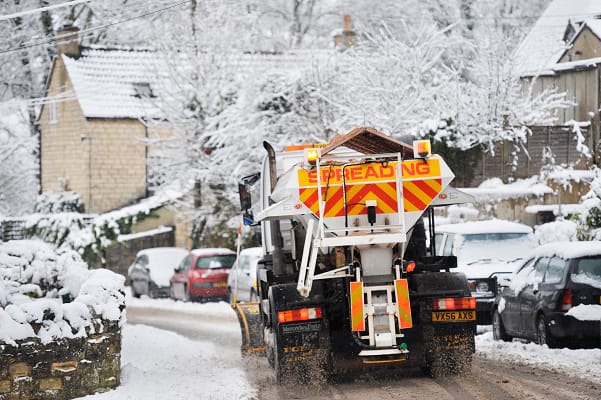
Low pressure has pushed mild air in from the Atlantic, bringing an end to the wintry weather. Residual impacts are ongoing in areas affected by deep snow.
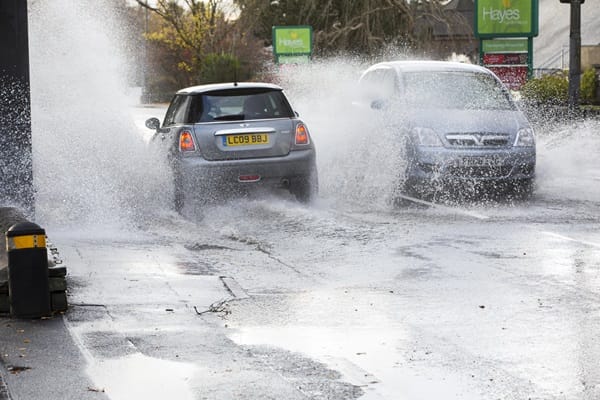
Mild air has moved in from the west bringing rain and blustery conditions. After a spell of heavy snow on Saturday night and Sunday morning in some regions of Scotland, snowfall has turned to rain.
This rain will be heavy and persistent in northern, western and southwest Scotland which, combined with snow melt, brings a risk of flooding.
A Yellow warning for rain is in force for western and northern Scotland until 10:00 on Monday morning and warns of 40-60mm of rain quite widely, with up to 80-100mm possible over higher ground in the west.
A separate warning in southwest Scotland warns for 30-50mm of rain, with 70-90mm possible over the higher ground of Dumfries and Galloway.
It’ll be a windy night here too as low pressure skirts the north of the UK. Gusts of 50-60 mph are expected widely across western and northern Scotland. A brief spell of 70-80 mph gusts, possibly 85 mph in the most exposed locations, are likely to affect parts of the Hebrides and western Highland coast late evening and through the early hours of Monday morning.
Elsewhere, Sunday will be a widely windy day before conditions ease through Monday morning. It’ll be a wet day for many too, with spells of rain which could be heavy at times, moving eastwards across the country.
Chief Meteorologist, Matthew Lehnert, said, “We’ll see a transition in our weather across the UK through Sunday, with mild Atlantic air moving in from the west. Temperatures will rise and we’ll see rain rather than snow accompanying some strong gusty winds in the north. Warnings have been issued for heavy and persistent rain, as well as these strong winds overnight in western and northern Scotland.
“While the wintry weather may have come to an end, the significant snow accumulations in parts of Scotland mixed with heavy rainfall and an increase in temperatures bring a risk of flooding in some areas as the snow melts. Keep up to date with the flood warnings issued by SEPA and check your flood risk.”
With the heavy rain and snow melt, flooding becomes an increasing risk in parts of Scotland. David Morgan, SEPA Flood Duty Manager, added, “Continuing heavy rain, combined with melting snow, increases the risk of flooding. Flood risk is greatest in Dumfries and Galloway, and the west and north of Scotland. Possible impacts could include flooding affecting parts of communities, low lying land, transport infrastructure and individual properties. Driving conditions will be very difficult at times. Keep up to date on the latest information by checking the Live Flooding Information page on SEPA’s website.”