From iconic high streets to hidden gems: A visitor’s guide to shopping like a local in London
London is often introduced to visitors through its iconic shopping streets. Oxford Street, Regent Street, and Covent Garden are celebrated for good reason, offering scale, variety, and global brands in one walkable stretch. Yet to shop like a local in London is to look beyond the obvious. It is to understand how Londoners balance convenience with character, how they mix destination shopping with neighbourhood discoveries, and how retail fits into a broader cultural and social experience.
For visitors who want more than a checklist of flagship stores, London’s shopping scene reveals a layered city. It is shaped by history, evolving consumer habits, and a strong preference for places that feel practical, social, and personal. Exploring this mix allows travellers to shop with confidence while gaining a more authentic sense of daily life in the capital.
Understanding London’s shopping culture
Londoners tend to approach shopping with intention. While high streets remain important, there is a growing emphasis on experience, accessibility, and local identity. Urban planners, retail analysts, and cultural commentators consistently highlight how London’s retail landscape has adapted to changing lifestyles, with shopping centres and mixed-use destinations becoming hubs for dining, leisure, and community activity rather than purely transactional spaces.
This shift explains why locals often favour areas that combine shopping with entertainment, green space, or family-friendly facilities. It also explains why shopping trips are often planned around convenience rather than spectacle. Visitors who understand this mindset are better equipped to choose where to spend their time and money.
Iconic high streets and what locals really use them for
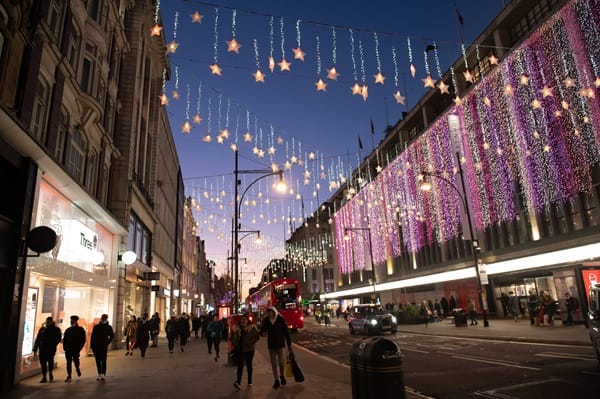
Oxford Street and Regent Street remain unavoidable for first-time visitors. They offer global fashion brands, department stores, and seasonal displays that reflect London’s role as an international retail capital. Locals still use these streets, but often with specific goals. A planned purchase, a visit to a flagship store, or meeting someone in central London are typical reasons rather than casual browsing.
For visitors, these streets are best approached early in the day or during weekdays when footfall is lighter. Treat them as an introduction to London’s scale and retail power, not as a complete picture of how Londoners shop. Observing how locals move quickly, enter with purpose, and leave just as efficiently is part of understanding the rhythm of the city.
Exploring neighbourhood high streets
Beyond the centre, neighbourhood high streets reveal a more grounded side of London shopping. Areas such as Greenwich, Richmond, Hampstead, and Chiswick offer independent boutiques, bookshops, bakeries, and speciality food stores woven into residential life. These high streets are not curated for tourists, yet they remain welcoming and easy to navigate.
Shopping here often feels slower and more conversational. Staff recognise regular customers, cafes double as informal meeting places, and shops reflect the tastes of the surrounding community. For visitors, this is an opportunity to find distinctive items while experiencing everyday London life without the intensity of central crowds.
Markets as cultural and commercial spaces
Markets hold a unique place in London’s shopping identity. Borough Market, Spitalfields, and Portobello Road are well known, but their appeal lies in more than novelty. Markets serve as spaces where food, fashion, antiques, and social interaction intersect. Industry observers often point to London’s markets as examples of how retail adapts through storytelling and experience rather than scale.
Visitors should treat markets as places to observe as much as to buy. Watch how locals sample food, chat with traders, and return to familiar stalls. This interaction reveals how markets function as trusted community spaces rather than one-time attractions.
Destination shopping centres and the local perspective
While central London dominates many itineraries, locals frequently shop at large destination centres outside the traditional tourist core. These centres offer practical advantages such as easier parking, wider walkways, and a balanced mix of retail, dining, and leisure. They are designed around how people actually spend their time, often accommodating families, groups, and full-day visits.
Destinations that integrate retail with cinema, dining, and seasonal events reflect broader trends in the UK retail sector. Analysts and urban development experts regularly note that these centres succeed because they meet social needs as well as commercial ones. For visitors, exploring such spaces provides insight into modern British shopping habits and offers a more relaxed alternative to central London.
Some centres also curate cultural programming and events throughout the year. Exploring options such as Lakeside entertainment allows visitors to see how shopping fits into a wider leisure experience that locals value, blending retail with dining, events, and shared time.
Timing your shopping like a Londoner
One of the most overlooked aspects of shopping like a local is timing. Londoners avoid peak hours when possible, particularly on weekends in central areas. Early mornings, weekday afternoons, and evenings often provide a calmer experience.
Sales cycles also matter. Seasonal reductions are common, but locals tend to wait for mid-season or end-of-season sales rather than impulse purchases. Understanding this rhythm helps visitors shop more strategically and reduces the sense of being rushed or overwhelmed.
Balancing global brands with local character
Londoners are comfortable mixing global brands with independent finds. A typical shopping trip might include a well-known retailer alongside a small local shop or market stall. This balance reflects a broader cultural value placed on individuality within a global city.
Visitors can mirror this approach by using major retailers as anchors while allowing time for discovery. Ask shop staff for recommendations, explore side streets, and remain open to places that were not on the original plan. This flexibility often leads to the most memorable purchases.
Practical tips for a local style experience
Shopping like a local also means understanding small practicalities. Contactless payment is widely used, queues are respected, and returns are handled politely but efficiently. Carrying reusable bags is common, reflecting environmental awareness embedded in daily life.
Londoners also tend to combine shopping with other activities rather than treating it as an isolated task. Pair a shopping trip with a walk, a meal, or a cultural visit to reflect how retail fits into the broader flow of the day.
Conclusion: A more meaningful way to shop in London
To shop like a local in London is not about avoiding famous places entirely. It is about context, balance, and curiosity. Iconic streets offer spectacle, neighbourhood high streets offer character, markets offer connection, and destination centres offer ease and community.
By understanding how Londoners use these spaces, visitors can move through the city with greater confidence and authenticity. Shopping becomes less about consumption and more about participation in daily life. The result is a richer experience that reflects London as it is lived, not just as it is photographed.