5 Telltale Signs Your Car Tires Need Replacing ASAP
Tires don't last forever. You're going to have to replace them sometime. The problem is that your tires become a serious safety hazard once they've worn out. A tire blowout can cause a serious accident (here's how to survive a blowout, by the way). The goal is to replace them before they reach that point. So, how do you know if your tires are ready to be shipped off to wherever worn out tires go (we assume it's a farm upstate where a nice older couple will take care of them and they'll have plenty of room to roll around in a field)?
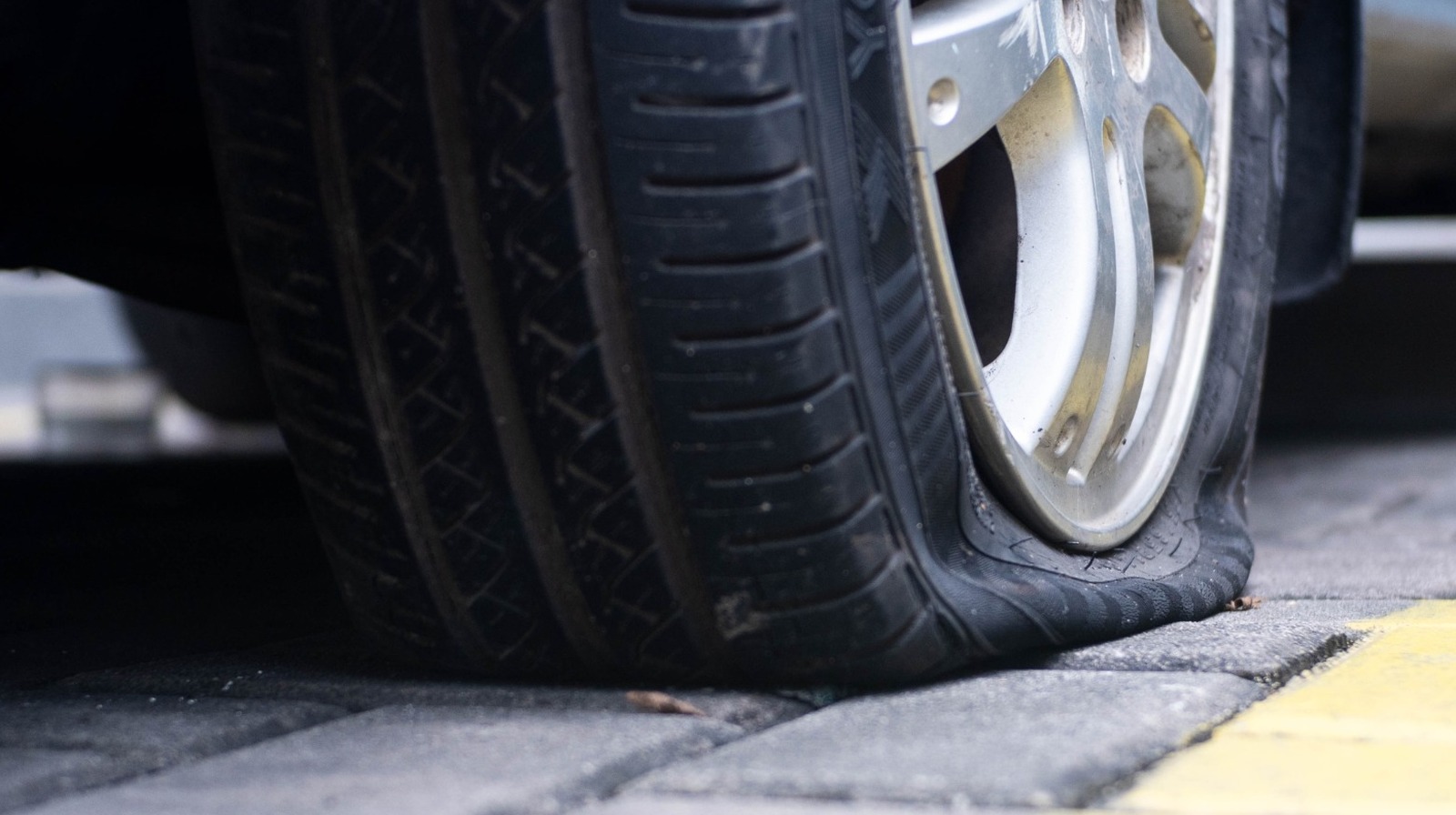
There are several telltale signs that your tires are nearing the end of their lives, and a visual inspection can tell you a lot about the shape they are in. The depth of the tread is a good indicator of whether they are still safe to use. The last thing you would want to do is to ride on bald tires on a wet road. Worn tires can also have cracks, bulges, and bubbles. Some of the more severe cases include patches where the steel belt is visible. Those are all signs that your tires should be replaced.
But those are visible signs, and there may be non-visible indications that it's time to get rid of your tires. Does your steering wheel shake as you go down the road? Do you hear a thumping noise? Does it take longer to come to a complete stop than it used to? Those could all be signs that your tires need replacing. Or maybe your tires have aged out. If they're older than 6 years old, it's time to look for new tires in many cases.
The tread is worn out
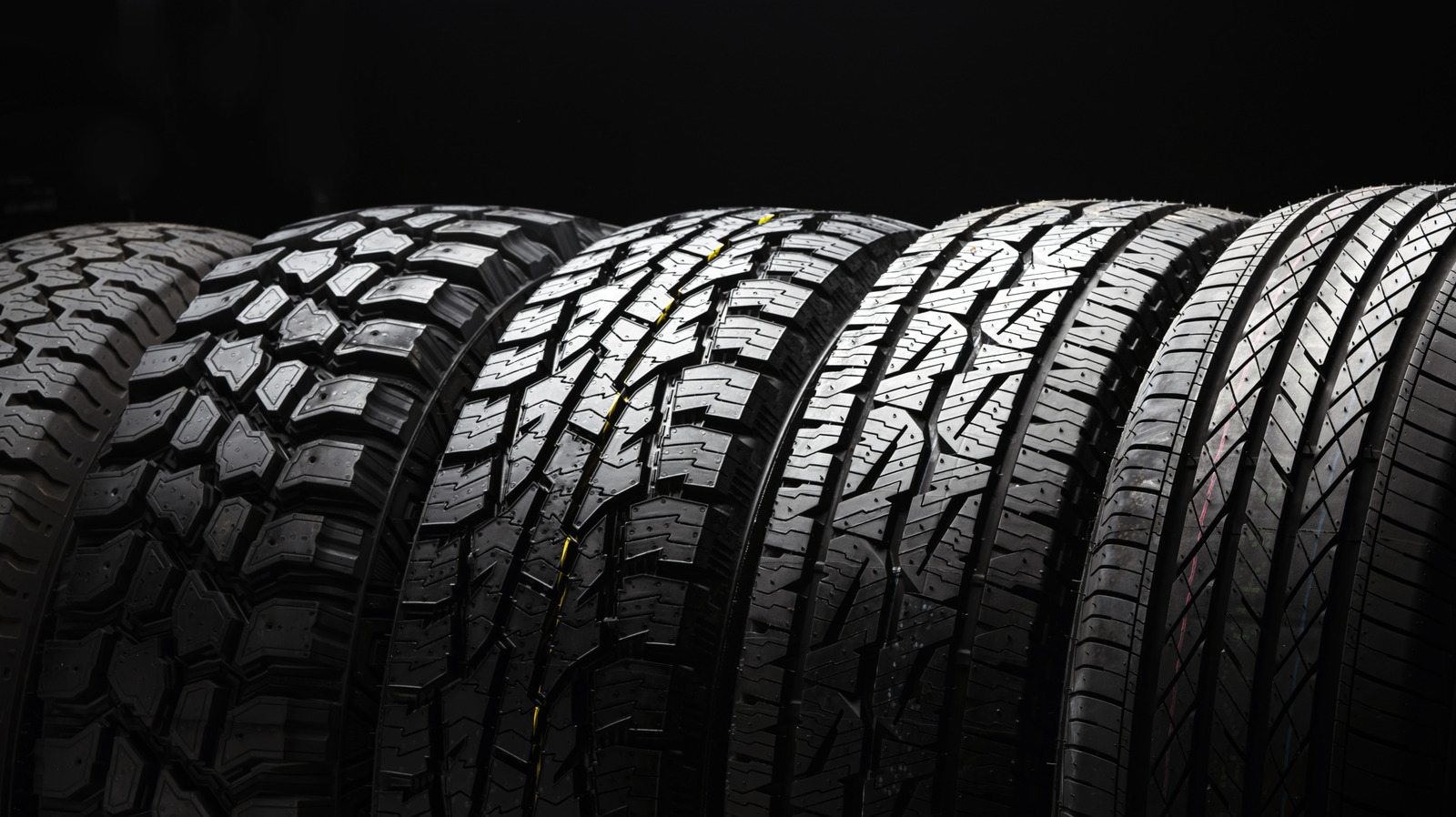
Your tire's tread isn't just there to make cool patterns in the dirt. It's the part of the tire that grips the road and enables your car to stop and maintain control even on wet roads. If your tire has no tread, you're toast. In fact, moderately bald tires can significantly increase stopping distances. So, keep an eye on your tire's tread. And we don't mean just the tread on the outside, but the center and inside tread as well.
So, how do you know if the tread is too low? The most common test is the good old "penny test," which may become harder to do in the next few years, since the penny is no longer being minted. Regardless, your first step is to find an old person who still uses coins, and ask to borrow a penny. You may have to endure stories about how a penny used to be able to buy movie tickets, popcorn, and a bottle of pop for them and 12 of their friends. Just nod your head and take the penny. Now turn the penny upside down and set it between the treads of your tires. If you can see Lincoln's hair on top of his head, your tread is worn and you should replace your tire. In fact, depending on your state, it may actually be illegal to drive your car with the tread that low.
Ideally, you would replace your tires before they reach this point. Many experts recommend using the "quarter test" instead, with George's head instead of Abe's. The problem is you'll have to go to the same old person who lent you the penny. Wait until you hear what a quarter used to buy.
Cracks, bulges, and slow leaks
Much like the face of the old person whom you borrowed the penny from, your tires may have developed cracks. These cracks are serious, because they are a definite sign of dry rot (on your tires, not the old person). Do you really want to hit the freeway when the only thing that separates you from the road is rotting from the inside? Look at your tire closely. Cracks can begin as small, thin cracks that spread out in a pattern that can look like a spider web.
If the cracks are big enough that you can fit the tip of a pen in them, or if pieces of rubber start to separate, the situation is very serious, and your car is not safe to drive until you get that tire replaced. Driving with a tire that has dry rot and cracks can cause it to blow out. That, in turn, can cause you to lose control of your vehicle while you're driving. So, get the tire replaced right away when you start to see it cracking.
Are you seeing a bulge or bubble on the outside of your tire? Yeah, that's not supposed to be there. But we're guessing you knew that already. That bulge means that a steel belt has separated from the others, and if you keep driving on that tire, you'll likely get a blowout. So, get that tire replaced as quickly as you can. Here's the tricky thing, though. Your tire may be failing even though there's no visible damage. That's why you need to check the pressure regularly. If the tire is constantly low or doesn't hold air for very long, there's a slow leak and it's time to replace the tire.
Lots of vibration or thumping while driving
Do you know what's fun? Feeling your car vibrate while you're driving down the freeway. Actually, that's not fun at all, especially if your imagination takes over as you picture a wheel falling off your car, resulting in a 20-car pileup. Your wheels are probably not about to fall off, but there are multiple possible reasons why your car is vibrating. For example, your shocks may be worn and need to be replaced. That could cause vibration by itself, but shocks that have been worn for a while have likely caused your tires to be worn unevenly, which would also cause vibration. They may not even be completely round anymore. In that case, your shocks and tires need to be replaced. The good news is that vibration could be caused by just a weight that has fallen off. In that case, your tires just need to be balanced again. But you'll need to take your car in to be checked to be sure.
The other fun experience you may have is to hear "thump, thump, thump" and to feel a hard bounce. This is a definite sign that at least one tire needs to be replaced as soon as possible. What's probably happening is that a steel belt is starting to separate and causing a lump. Sometimes, steel belts might even be exposed. If you keep driving on that tire, it could come apart completely while you're driving down the road. As you can see, vibrations or thumping should be treated like serious safety issues that should be taken care of quickly. Tires can be expensive, but the danger is just not worth trying to get a few more miles out of those tires.
It takes a long time to come to a stop
Is it taking you longer to come to a complete stop than it used to? You might be thinking that's a sign your brake pads are wearing down, and you may very well be right. But it could be your tires instead.
Remember, the tread on your tires is what allows them to grip the pavement. It cannot be overstated just how important tire tread is to you having control of your vehicle. In fact, a test carried out by DEKRA found that tires with tread that have worn to 2-3 mm took 16-18% farther to come to a complete stop on wet roads and 2.4-8.5% on dry roads. It's not just about stopping, either. Worn tires can make your car much less responsive on wet or icy roads, just when your car needs it the most. And the more your tires are worn, the greater your chances of hydroplaning, which is particularly scary to think about.
There are other signs besides longer stopping distances that could indicate that your tires may be worn. For example, do you find that your car skids more easily? That's a sure sign of tire wear and of an increased risk that your car may lose control in a tight turn. Do your tires spin out when you take off? That's another sign it's time to get new tires. Continuing to drive on these tires when you see these signs is a dangerous proposition. In Germany, worn tires are blamed in 38% of all crashes where a technical fault of the car is found to be the cause, according to DEKRA.
The tire is over 6 years old
As we mentioned at the outset, tires can expire before they wear out. According to most manufacturers, if your tires are over 6 years old, it's time to change them. The absolute cut-off line is 10 years, after which many manufacturers won't even service them. Tires could be too degraded in that time, even if their tread still looks good. Why? Rubber breaks down over the years as it is exposed to air, heat, and UV rays, and becomes hard and brittle. They could sit on a shelf for six years and still not be in great shape.
So, how can you tell how old your tires are? Look for the DOT number on the sidewall, near the bead. It should be four digits following the letters "DOT." The last two digits represent the year and the first two digits represent the week within that year. So, a DOT number of 3420 would refer to the 34th week in 2020.
But age doesn't tell the whole story about a tire's life. Mileage has a lot to do with whether it needs to be replaced. Most all-season tires are built to last about 50,000 to 60,000 miles. Again, your tires are likely to be worn if they've traveled this distance, regardless of how the tread looks. The reason for this is because rubber gets fatigued over time due to heat build-up. This causes the tire to become deformed and more vulnerable to blowout. So, check what the manufacturer recommends, but otherwise replace your tires after six years or 60,000 miles, whichever comes first. Don't test fate by riding on bald or worn tires. Know the signs of wear and get them replaced when needed for everyone's safety.