Don't Use Soda To Remove Corrosion From Your Battery Terminals – Do This Instead
We may receive a commission on purchases made from links.
It's been a longstanding myth that Coca-Cola, other kinds of soda pop, or any acidic drink is effective at removing corrosion from your car's battery terminals. The Coca-Cola Company has no qualms about saying that its popular sugary drink "can help clean rust or corrosion, because it contains phosphoric acid, an edible food acid found in lots of foods and drinks." Coke adds that "Any acidic drink like orange juice, lemon juice and champagne has the same effect" on cleaning metal and battery terminals.
However, the drinks maker concludes by saying that it recommends Coke for its taste. And in fact, we should all enjoy it as a refreshing drink rather than using it for household cleaning or automotive maintenance. Grabbing a bottle or can of soda may seem the most convenient way to remove corrosion from battery terminals, but there are reasons why Coke and its cousins should be at the bottom of your list.
Why car batteries develop corrosion
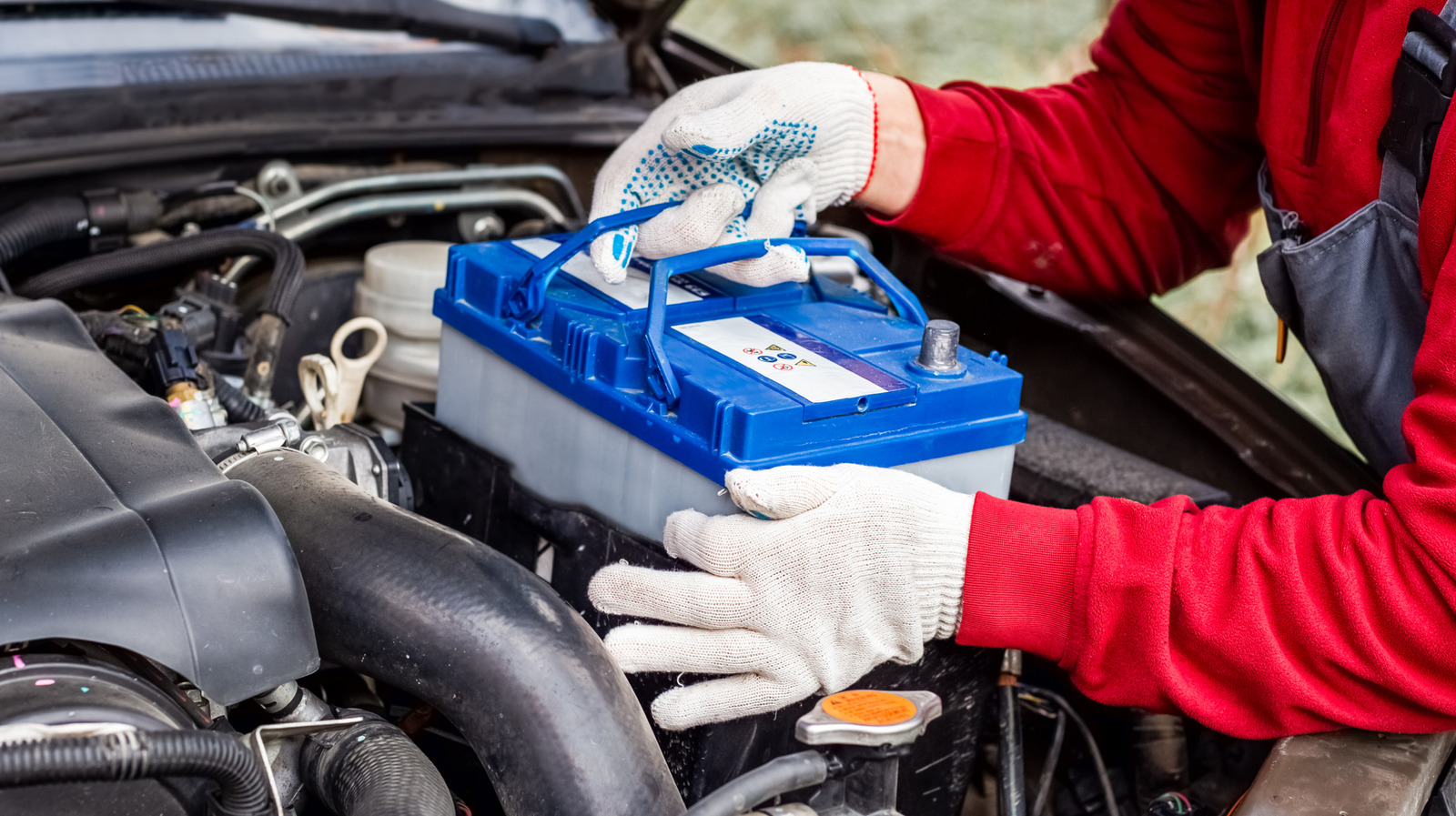
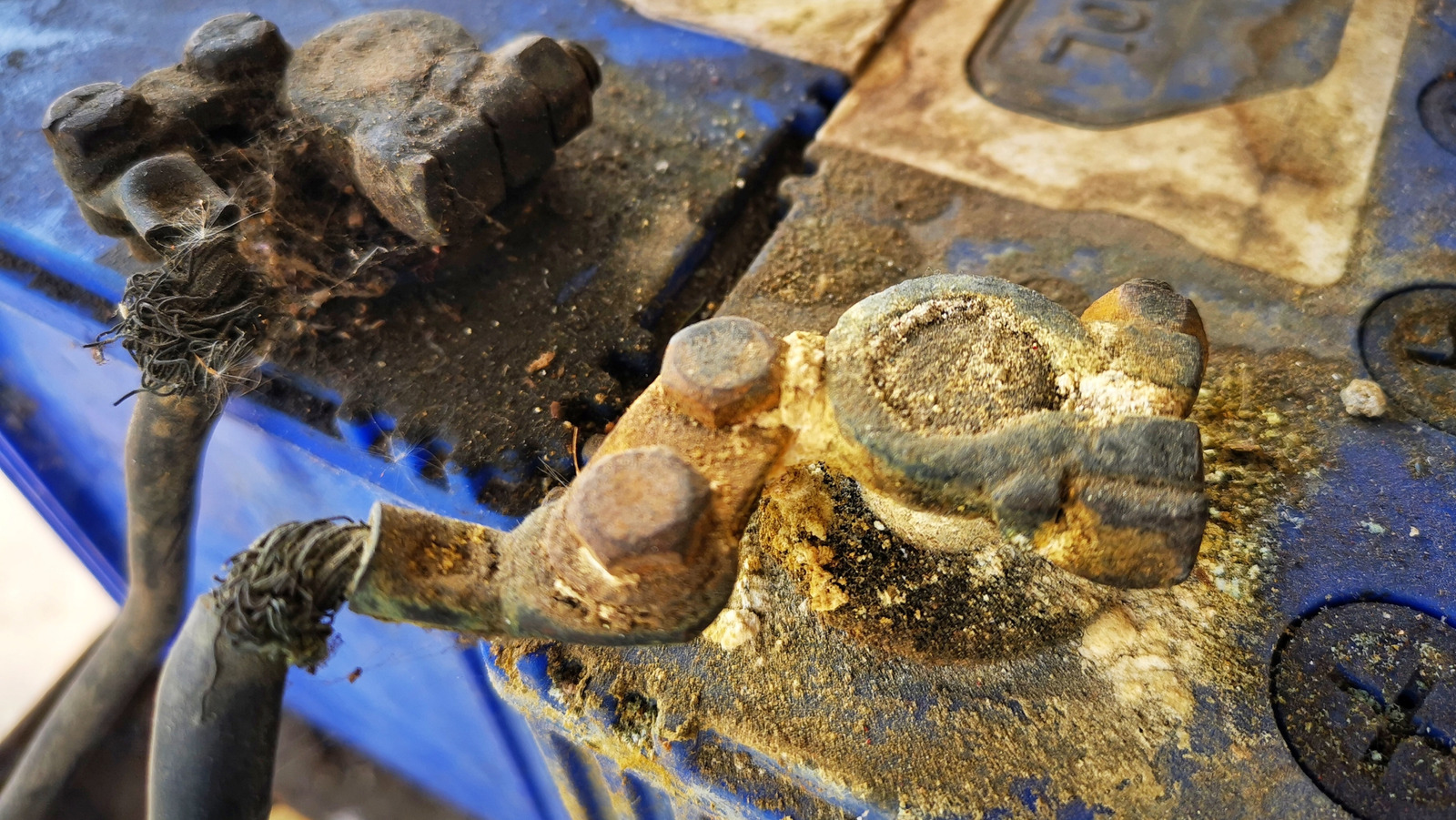
Let's first dig in as to why car battery terminals tend to develop white, bluish, or greenish corrosion. The electrolyte solution inside a typical lead-acid car battery is a mix of water and sulfuric acid. If your battery is old and has developed cracks in the casing, the leaking electrolytes can cause corrosion.
Then again, there's an odorless, colorless gas that contributes greatly to corrosion. Electrolysis happens when the battery discharges electricity and receives an electrical charge from the alternator, enabling the water content inside the battery to split into hydrogen and oxygen. There's a safety valve that releases some of the hydrogen gas to ease the pressure inside the case, and this is where the issue begins.
The hydrogen gas may linger and react with the lead, steel, and copper parts under the hood, especially if there's not enough airflow around the battery. The greenish or bluish gunks of corrosion are typically from hydrogen reacting with the copper parts of the wiring or battery clamps, while white corrosion is due to hydrogen gas reacting with aluminum, lead, or zinc. And here's a top tip: Heavy corrosion on the negative cable or terminal could point to an issue with the starter, the thing that wakes your engine when you turn the key or push a button.
Does corrosion mean my battery is failing?
Corrosion on battery posts or terminals doesn't necessarily indicate that your car battery is giving up the ghost. Instead, it most likely means the battery has been discharging, recharging, and working hard under intense heat. Driving for long periods with a mildly discharged battery could cause more hydrogen discharge and lead to more corrosion, while installing aftermarket lights or power-robbing audio systems and accessories may cause the alternator and charging system to go into overdrive.
Meanwhile, intense summers or humid weather will add more heat and make the battery and charging system work harder, which can also lead to corrosion. It's why car batteries fail faster in hot weather, and why getting a load test annually for batteries that are 2 years old or older is necessary to avoid potential mishaps.
Moreover, neglecting corrosion buildup can ruin an otherwise good battery. That whitish or greenish buildup of gunk may seem harmless, but it can actually prevent the battery from recharging properly or make your vehicle harder to start.
Soda can worsen the corrosion
If you think Coke can melt away corrosion buildup on battery terminals, hear us out: Colas contain acids and sugars, so they can expose your battery to more acids. They can leave behind sticky, gummy residue that could cause short circuits and harm rubber parts, and you don't want Coke to seep between small cracks or fissures in the casing and mess with the sensitive chemistry inside. Moreover, the sugary residue left behind is a potential magnet for dust, dirt, bugs, and other contaminants, leaving you with more dirt to clean out afterward.
The best cleaning solution for removing corrosion from car batteries is a combined paste of water and baking soda. Baking soda instantly reacts and neutralizes corrosion and acid buildup without harming other parts of the battery, making the gunk easier to remove.
The first step is to disconnect the negative terminal before disconnecting the positive terminal to avoid sparks or shorts while cleaning. Next, mix water and baking soda to form a thick paste. After putting on gloves and safety glasses, apply the paste and use an old toothbrush to gently scrub the corrosion off the terminals.
Finish it off by mildly rinsing all affected areas with distilled water, wiping dry with a clean towel, and reconnecting the terminals (positive first before the negative terminal). An optional step is to apply dielectric grease on the posts and connectors to prevent corrosion buildup.
Lemon juice or vinegar works, too
You can also use lemon juice or white vinegar to remove corrosion from the battery. However, don't pour vinegar or squeeze a slice of lemon directly on the terminals. Grab an old cloth, pour some vinegar or lemon juice until damp, and wipe the cloth over the affected areas. Don't forget to rinse well with distilled water to remove any leftover residue and wipe dry with a towel.
Other methods that work well include using commercially available battery cleaners like the CRC Battery Cleaner or NOCO Battery Terminal Cleaner. They do cost more than Coke, baking soda, or lemon juice, but their spray-on and rinse-off formula removes corrosion and protects against future buildup.
As a final word, make it a habit to regularly inspect your battery and terminals for corrosion buildup at least twice a year. Batteries tend to be more prone to corrosion buildup as they age. Load testing is the only way to know if your battery is strong enough for the daily grind, so when in doubt, don't hesitate to consult a mechanic.