5 Tips To Extend Your Car Battery's Lifespan
Car batteries can sometimes catch you off guard, leaving you stranded when you need them most. But it doesn't have to be this way. There are things you can do to extend your car battery's lifespan, whether you're using standard lead-acid, flooded, or AGM batteries.
Batteries can degrade for a number of reasons, triggering that dreaded warning light on your dashboard. If the interior or exterior lights dim while cranking the engine, or if you hear a clicking sound when starting, this usually indicates that the battery is weak or nearing the end of its life. A battery's lifespan typically ranges from three to five years for lead batteries, while AGM batteries are reported to last between four and seven years.
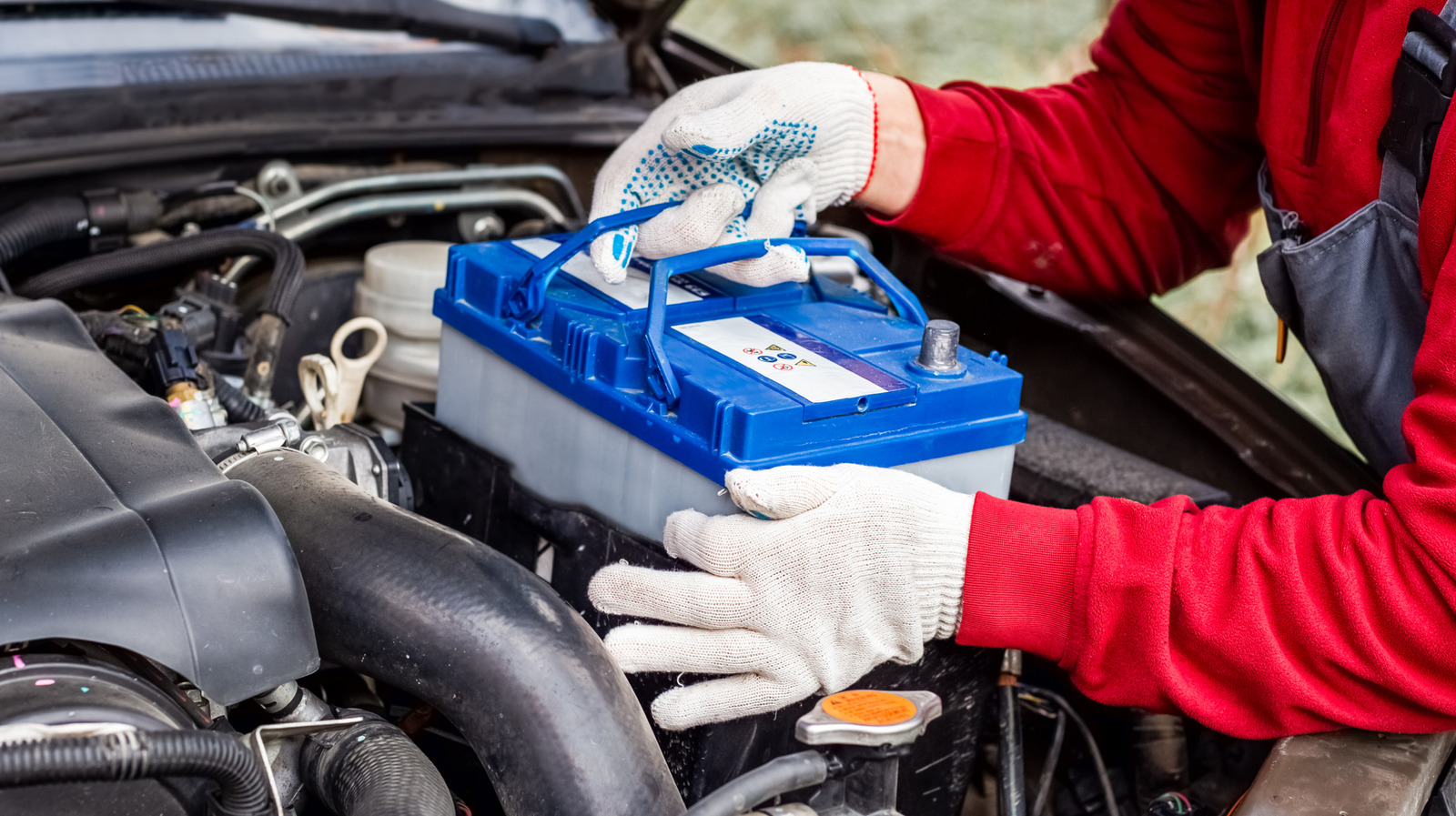
As a general rule of thumb, you should replace your car's battery after five years of use since the risk of a sudden failure increases beyond that point. That said, you can extend the life of your battery by following these five simple tips.
Switch off accessories when not in use
Leaving even a single interior light on overnight can drain the battery and leave you without enough power to start the car in the morning. The same is true for devices such as a dashcams, radios, GPS units, seat heaters, and other electrical accessories.
Parasitic drains caused by aftermarket components that fail to power down after the car is turned off slowly draw power, depleting the battery over time. This leads to frequent deep discharges, which can significantly shorten a battery's lifespan, and reduce it to as little as two years in some cases.
If you suspect an accessory is causing parasitic drain, turn off the engine and use a multimeter to test the car's total current draw. A reading above 50 milliamps suggests that something is quietly drawing power — note that you should be able to identify the culprit by removing individual fuses.
Avoid long stationary periods
Much like how consistent training helps you lift better, batteries work best when they're used regularly. Leaving a car idle for two weeks or more can cause the battery to die. As mentioned earlier, these repeated deep discharges can shorten battery lifespan, so driving the car weekly for at least half an hour can go a long way in extending the life of the battery.
If you plan to store the car for an extended period — during winter or while you're away on vacation, for example — you should charge the battery fully, disconnect any electrical device that may cause battery drain, and park the vehicle in a cool location. Battery manufacturers like Varta recommend that the vehicle be stored at around 60°F as higher temperatures can accelerate corrosion. It is also recommended to use a trickle charger, as these devices can help maintain the battery at optimal charge levels while not in use.
Let your battery fully recharge
Your engine hates short trips, and the same goes for car batteries. Short drives don't give the battery enough time to fully charge, which over time can cause sulfate crystals to form on the battery's plates, ultimately reducing its life. In cold temperatures, short journeys put even more stress on a car's battery.
The alternator in a car not only supplies electricity to the vehicle's electrical components but also recharges the battery. On short trips, the engine often doesn't run long enough for the alternator to fully recharge the battery, which can lead to undercharging and reduced battery life. When short journeys are unavoidable, this problem can be remedied by using a battery maintainer.
Meanwhile, AAA advises owners to minimize journeys of 10 miles or less. For those who can't do that, AAA recommends occasionally driving on the highway to allow the battery to reach a full charge.
Protect your battery from extreme heat and cold
EVs often show reduced range in both extremely hot and cold conditions, and the same is true for conventional car batteries. While high temperatures can cause batteries to fail faster, extreme cold can reduce performance and shorten their lifespan. According to Consumer Reports, car batteries last longer in the colder northern parts of the U.S. than in southern regions, with an average lifespan of 58 months in the north and around 41 months in the south.
Heat can make a battery lose charge faster and increase wear, while cold temperatures cause the battery fluid to thicken, requiring more energy to start the vehicle. To minimize the risk of battery wear due to extreme weather conditions, it's recommended to park vehicles under cover in hotter climates and inside a garage when it is colder. If your budget allows, go for an AGM battery – they can handle extreme weather better than other types.
Keep your battery clean and secure
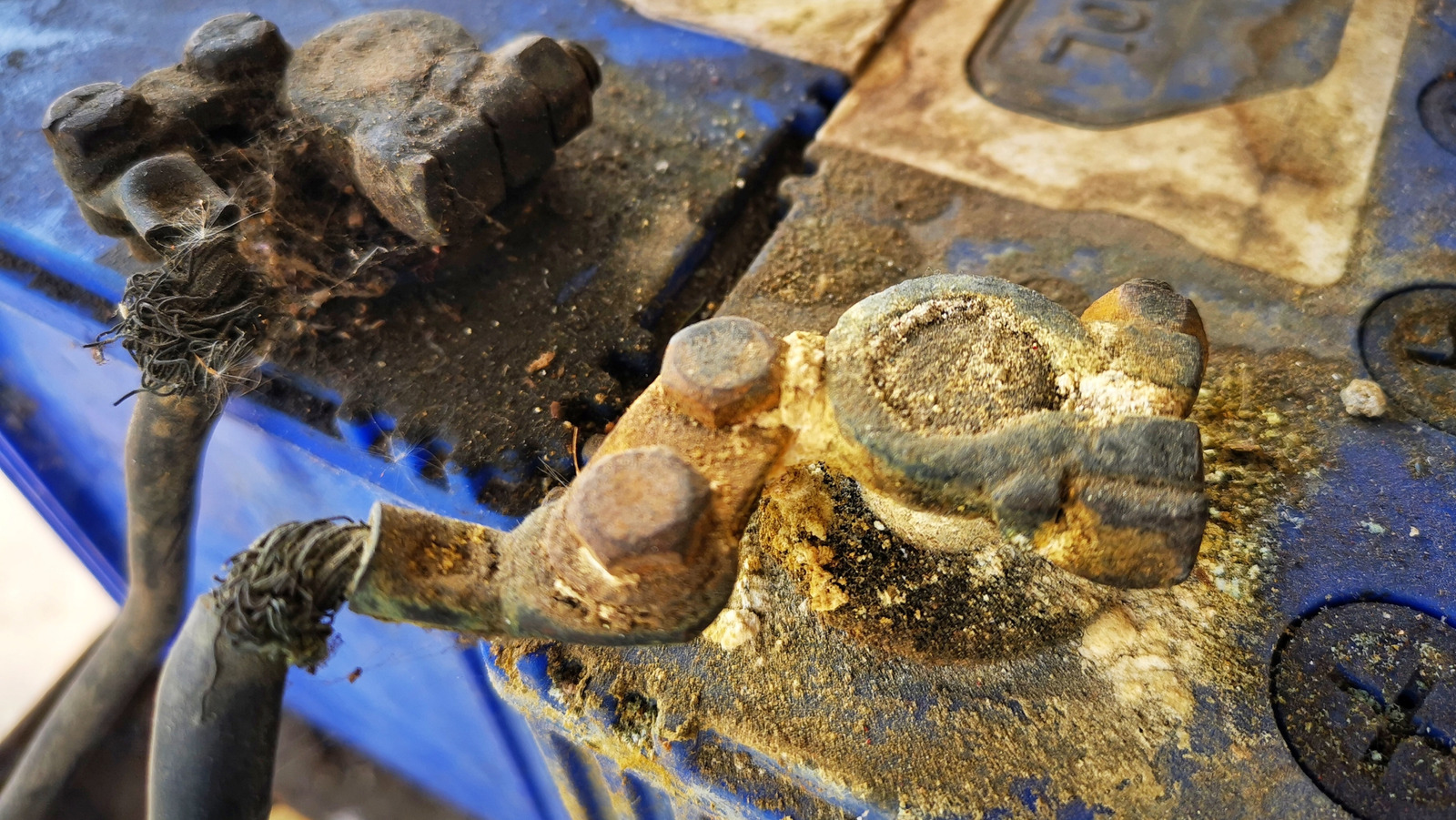
Buildup can compromise your battery's efficiency. If you notice excessive dirt or oily residue on top of the battery, wipe it clean with a cloth. Dirt and dust on the terminals — along with sulfuric acid vapors from lead-acid batteries — lead to corrosion in and around the terminals, which increases electrical resistance and , in turn, makes the starter motor to draw more power.
Corrosion makes starting difficult and shortens the battery's service life. Cold weather makes battery corrosion more problematic, so clean any buildup from the battery terminals using a brush and a mixture of water and baking soda, then apply grease as a preventive measure.
Beyond inspecting the battery for corrosion, it's important to secure the battery firmly to its bracket — constant vibrations can damage the battery's internal components or cause a short circuit. If the battery is more than three years old, test it annually, or as specified in your owner's manual. As with most vehicle maintenance, prevention is better than cure. Paying attention to battery health can go a long way in preventing failure.