Broadstairs Twist’s pizza house owner warns small businesses face ‘unexpected’ bills with change to rateable values
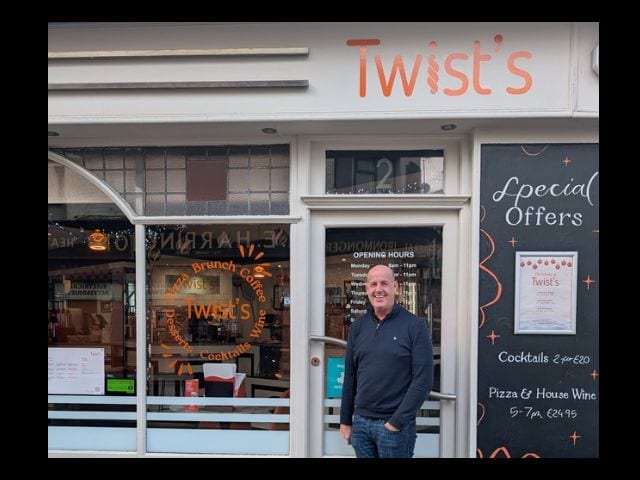
Neal Parton says many traders will be pushed over the small business rates relief thresholdA Broadstairs business owner is warning that changes to commercial rateable values and reductions in rates relief may lead to closures on the high street next year.In the November budget, the Chancellor announced that from April 2026, the new rateable value of commercial properties will kick in and some current business rate relief schemes would be reduced.The revaluation of premises would be set at a lower rate for properties valued below £500k and higher rates for those above that threshold.Revaluations are carried out every three years in England and Wales to reflect changes in the property market.The council uses rateable values and a multiplier method to calculate business rate bills – generally based on an estimate of the annual rent the property could get on the open market.The government says the aim of the changes is to reduce bills for some 750,000 retail, hospitality, and leisure properties, funded partly by higher rates for large warehouse businesses.However, the new rateable value for 2026/27 is likely to push some business properties over the threshold, currently £12,000, where they qualify for 100% small business rate relief.The retail, hospitality and leisure (RHL) relief offers a 40% reduction during 2025/26, but will be scrapped entirely from March 31 next year.Government says to deal with any hikes in rates there will be a cap through Transitional Relief and a new, expanded Supporting Small Business scheme.For any business whose value has increased so that they are no longer eligible for small business rates relief or they have lost RHL relief, the cap will be £800 or the relevant transitional relief cap- whichever is highest.‘Impact on small and independent traders’But Twist’s pizza owner Neal Parton says the “changes are going to have a very real impact on small and independent businesses across Thanet — particularly hospitality and town-centre traders.”He says many small operators simply don’t realise that current reliefs are reducing, rateable values in places like Broadstairs are rising sharply, and appeals and checks take time and expertise most independents don’t have.He added: “By the time the bills land, it will be too late for many to react. Thanet talks a lot about supporting independent businesses, but business rates remain one of the biggest unspoken threats to town-centre sustainability.”Neal says the reduction in current relief schemes could mean small businesses experience a sudden and significant increase in rates payable even if their turnover hasn’t improved.He is also concerned that rateable values have risen sharply but reflect pre-cost-of-living rental assumptions rather than current trading reality.Over the thresholdBusinesses may be unaware that their new value will take them over the £12,000 threshold amount for 100% business rate relief, resulting in unexpected bills.For properties with a rateable value between £12,001 and £15,000, the rate of relief gradually decreases on a sliding scale from 100% to zero.Neal also says the Valuation Office – which compiles the values- has a slow Check, Challenge, Appeal process meaning businesses that don’t start early may face higher bills for months or even years before anything is corrected and the valuation process for food-led businesses can produce figures that don’t reflect how premises actually trade.Neal said: “The wider concern is that these increases land at a time when energy costs remain high, staffing costs have risen again and discretionary spending in seaside towns is fragile outside peak season.”Twist’s case studyTwist’s in York Street, has been benefitting from Small Business Rate Relief, with a rates bill of £0 but the new valuation figure for 2026/27 shows a rateable value of £16,000, despite no change in how the premises trades and no corresponding increase in profits.Neal says this means the property moves out of Small Business Rate Relief, will also see reduced retail/hospitality relief and faces a bill of several thousand pounds a year, instead of zero – wiping out a significant proportion of annual profit or taking the equivalent of wages for a part-time staff member.Neal added: “The shock is not just the size of the increase, but how easy it is for a business to drift into it without warning.”He says the valuation relied on ‘retail-style zoning’ despite being a food business.Neal says the high value ‘zone A’ rating applied was excessive for a pizza restaurant with the layout not generating the presumed income.Check new valuationsIt is an issue that many cafes and restaurants in Thanet which are based in former retail units may face and could mean they are forced to reduce opening hours, have fewer staff or even close.Neal said: “I only understood what was happening because I took the time to go through the VOA valuation line by line. Most small cafés and restaurants simply don’t have the time, energy or expertise to do that.“Business rates aren’t just an overhead — at this level, they can decide whether a small hospitality business survives at all.”Neal is urging small business owners to check their revaluation rate now to give them time to take action and appeal if necessary.‘A big deal’The government says the previous valuation was in the middle of the pandemic, and so lots of business are seeing big increases in their Rateable Values to reflect post-COVID recovery.Because values have gone up, the government has been able to reduce the rate of tax (known as the ‘multiplier’) for every business, adding: “The tax rate for small RHL properties will be the lowest since 1990/91, falling by nearly 12p next year. The tax rate for all other RHL properties below £500k will be the lowest since 2010/11, representing a 12.5p tax rate cut next year.“This is a big deal – it is a permanent tax cut worth nearly £900 million per year and benefitting over 750,000 RHL properties. Unlike the current RHL relief, the new rates are permanent, giving businesses certainty and stability, and there will be no cash cap, meaning all qualifying properties on high streets across England will benefit.”