


Wholesale buyers evaluating pocket spring suppliers often receive polished brochures and vague assurances about quality. What they rarely receive is a clear picture of what happens on the factory floor. Understanding the production sequence helps buyers ask sharper questions and recognize when a manufacturer is cutting corners. JLH Home's process follows a logical chain: wire preparation, coil formation, pocket encapsulation, core assembly, comfort layering, cover application, quality inspection, and packaging. Each stage contributes to whether the finished mattress performs for five years or fifteen.
From Raw Wire to Individual Coils
The journey begins with tempered steel wire, the foundation of any pocket spring's durability. JLH Home selects wire gauge according to the intended firmness and support profile, since thinner wire produces softer coils and thicker wire delivers firmer response. The wire is fed into coil-forming machines that shape each spring to precise height and diameter, then heat-treat it to lock in resilience. Buyers should note that wire quality varies significantly between suppliers, and a factory unwilling to discuss its wire sourcing or gauge specifications is likely hiding compromises that will surface as sagging after a few years of use.
Encapsulation and Why Pocket Integrity Matters
Once formed, each coil is wrapped in its own fabric pocket, typically made from spunbond or non-woven material, and sealed through ultrasonic welding or heat processes. This encapsulation is what allows adjacent coils to move independently, delivering the motion isolation that pocket spring buyers specifically want. Weak seals fail early, causing springs to escape their pockets and creating lumps that ruin the sleep surface. JLH Home controls sealing temperature and pressure parameters to maintain pocket integrity, and the factory inspects encapsulated coils before they advance to assembly.
Assembling the Spring Core With Precision
Individual pockets are then arranged into the mattress core according to the specified coil count and layout. Zoned configurations, where firmer coils sit under the lumbar region and softer coils support the shoulders, require careful placement that assembly workers must execute accurately. Edge reinforcement systems are integrated at this stage for models designed to resist perimeter collapse. The assembled core is checked for dimensional accuracy and uniform tension before comfort layers are added, because a misaligned core cannot be corrected once the mattress is upholstered.
Comfort Layers, Covers, and Final Finishing
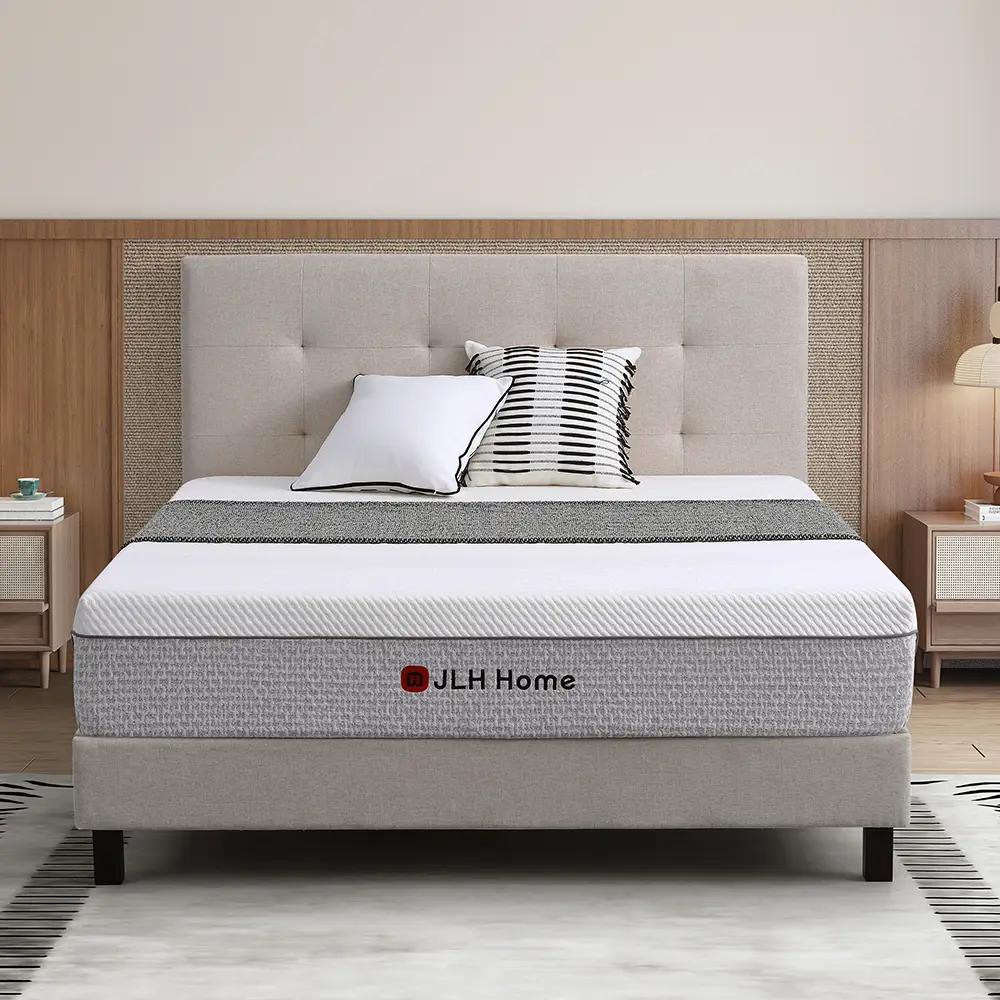
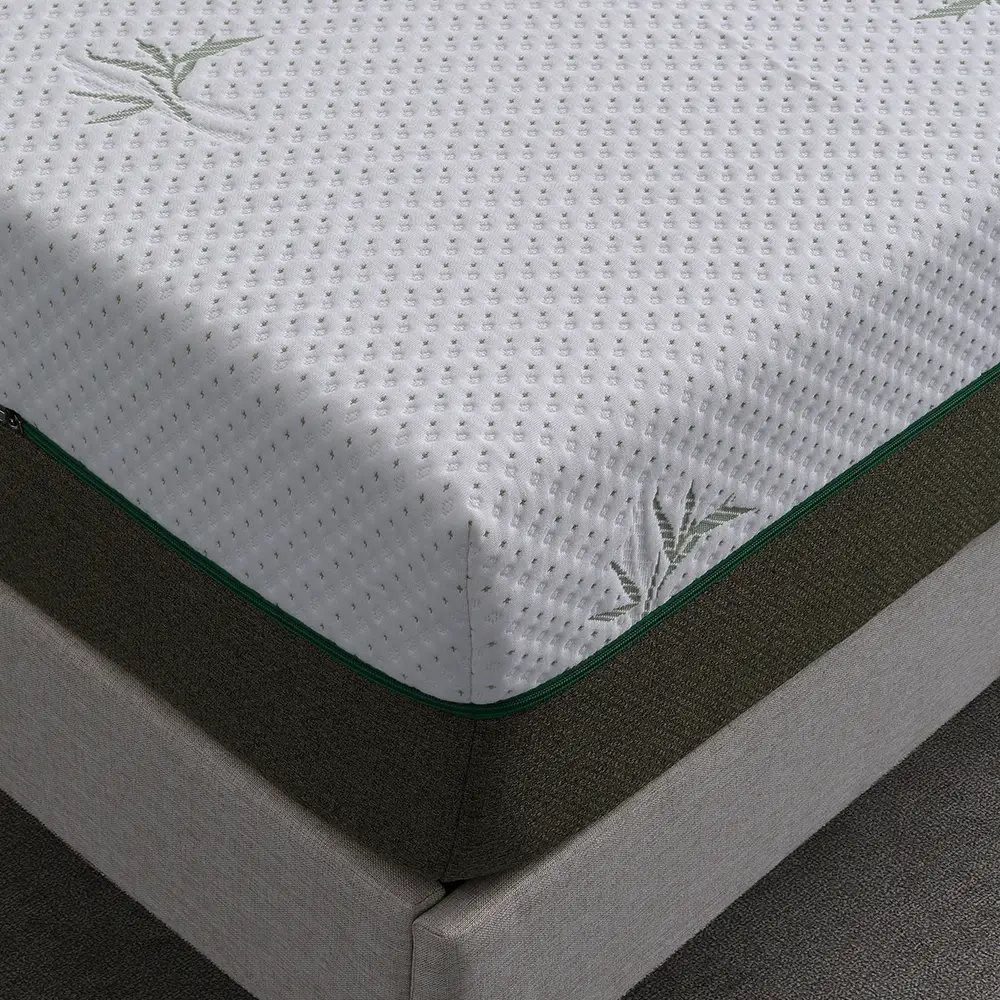
With the spring unit complete, the manufacturing focus shifts to feel and appearance. JLH Home applies foam, latex, or fiber comfort layers above and below the core, bonded with methods appropriate to each material. The cover, whether knit, woven, or quilted, is then fitted and finished with borders, handles, and branding elements specified by the client. Finishing touches like these transform a functional spring unit into a retail-ready product, and the factory's upholstery team ensures stitching quality and cover tension meet the standards agreed at sampling.
Quality Checks Before Any Mattress Ships
Inspection at JLH Home occurs at multiple points rather than only at the end. Coils are checked after formation, encapsulated pockets after sealing, and assembled cores before upholstery. Finished mattresses undergo dimensional verification, visual inspection, and firmness spot checks against approved samples. Documentation covers certification compliance for materials used in the build. For wholesale mattress manufacturers buyers, the lesson is to ask prospective suppliers where their inspection points fall, because a single final check catches far fewer defects than checks embedded throughout production.
Compression, Packaging, and Shipping Preparation
The final stage prepares mattresses for the journey to distant markets. JLH Home compresses pocket spring models using vacuum and roll-packing methods suited to spring construction, reducing shipping volume while protecting coil integrity during transit. Packaging includes protective wrapping, branded outer materials where specified, and labeling that supports customs clearance and retail intake. Buyers should confirm packaging specifications early, since compression method and box dimensions directly affect freight costs and how products arrive at their destination.
What This Process Means for Wholesale Buyers
Understanding how pocket spring mattresses are manufactured turns buyers into better evaluators of the suppliers they meet. A factory that can explain its wire sourcing, sealing methods, and inspection points demonstrates command of its craft. JLH Home's process reflects the discipline that separates serious manufacturers from assemblers, and buyers who ask process questions rather than just price questions will consistently identify the suppliers worth partnering with.
Comments (0)