


Look around any room and you will likely see titanium dioxide, even if you cannot recognize it. It gives white paint its brightness, makes plastic products opaque, helps paper look clean and bright, and appears in sunscreens and many other products. Titanium dioxide is the most widely used white pigment in the world, valued for its exceptional ability to scatter light and hide what lies beneath. It is chemically stable, non-toxic in its common forms and resistant to fading. This article explains the two main crystal forms, rutile and anatase, and how titanium dioxide is used across the paint, plastics and paper industries. Demand for it keeps growing as construction, packaging and consumer goods markets expand. Its performance is difficult to match with other materials, which is why manufacturers continue to rely on it despite its relatively high cost.
What Titanium Dioxide Is
Titanium dioxide, with the formula TiO2, is a naturally occurring oxide of titanium found in minerals such as ilmenite, rutile and anatase. For pigment use, it is produced through either the sulfate process or the chloride process. The sulfate process dissolves ilmenite in sulfuric acid and can produce both anatase and rutile pigments. The chloride process converts titanium ores into titanium tetrachloride, which is then oxidized to form high purity rutile pigment. After production, particles are often coated with alumina, silica or organic treatments to improve durability, dispersion and performance in specific applications. Particle size is carefully controlled to maximize light scattering.
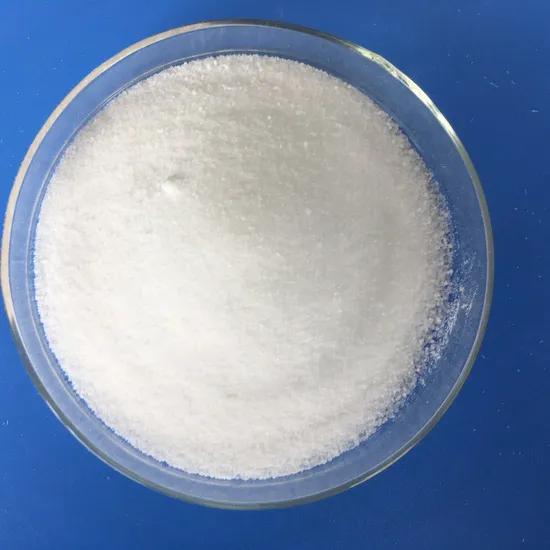
Rutile Versus Anatase
Rutile and anatase are two crystal forms of titanium dioxide with different properties. Rutile has a higher refractive index, which gives it greater hiding power and opacity. It is also more stable and resistant to ultraviolet light, making it the preferred choice for outdoor paints, plastics and coatings that must withstand sunlight. Anatase is slightly softer, less abrasive and has a bluer white tone. It is more photoactive, which can cause chalking outdoors, so it is mainly used indoors, in paper, fibers, ceramics and some rubber products. Anatase is also used in photocatalytic applications, where its reactivity with light is actually an advantage. Choosing between them depends on the end use and exposure conditions of the finished product.
Role in Paints and Coatings
The paint and coatings industry is the largest consumer of titanium dioxide, using more than half of global production. In paint, it provides whiteness, brightness and opacity, allowing a coat to hide the surface below. Even colored paints usually contain some titanium dioxide to improve coverage and create lighter shades. Rutile grades with surface treatments are used for exterior paints, automotive coatings, industrial finishes and powder coatings, where durability and gloss retention are important. Manufacturers choose دی اکسید تیتانیوم grades carefully, as different products are optimized for water based or solvent based systems, high gloss or matte finishes, and indoor or outdoor exposure.
Applications in Plastics
Plastics are the second largest market for titanium dioxide. It is added to polyethylene, polypropylene, PVC and engineering plastics to provide whiteness and opacity in products such as window frames, pipes, packaging films, bottles, appliances and toys. It also protects plastics from ultraviolet degradation by absorbing harmful light, which helps outdoor products last longer. Masterbatch producers combine titanium dioxide with carrier resins to make it easier to dose during processing. Plastic grades are designed to disperse easily and withstand high processing temperatures without causing yellowing. Low moisture content is important to prevent defects such as lacing in thin films.
Use in Paper and Other Industries
In the paper industry, titanium dioxide improves brightness and opacity, allowing thinner papers to look solid and preventing print from showing through. It is used in high quality printing papers, laminate papers for furniture and decorative surfaces, and specialty papers. Anatase grades are common in paper because they are less abrasive to machinery. Beyond paper, titanium dioxide is used in inks, ceramics, rubber, synthetic fibers, cosmetics and sunscreens, where it reflects and scatters ultraviolet light. Food use has been restricted in some regions, such as the European Union, so manufacturers must follow local regulations. Its versatility keeps demand strong worldwide.
Comments (0)