


When a business starts sourcing citric acid in bulk, the first number everyone looks at is the price per ton. That is understandable, but it is only part of the picture. Two offers with similar prices can differ widely in purity, particle size, packaging quality and delivery reliability, and any of those factors can cost far more than a small saving on paper. Buyers in food, beverage, detergent and chemical manufacturing all share the same goal: getting consistent material at a fair cost without surprises. This guide walks through the main factors that shape citric acid prices and offers practical advice on buying high-quality powder in large quantities with confidence.
Main Factors That Drive Citric Acid Prices
Citric acid is produced by fermenting sugars, so the cost of raw materials such as corn, cassava or molasses has a direct effect on the final price. Energy costs matter too, because fermentation, purification and drying all consume large amounts of power and steam. Global supply is concentrated among a limited number of big producers, which means any plant shutdown or change in export policy can move the market quickly. Freight rates, currency exchange movements and seasonal demand from the beverage industry in summer also play their part. Finally, grade affects price, since food and pharmaceutical material must pass stricter testing than technical grade product used in cleaning or industrial work.
Understanding Grades and Forms Before You Buy
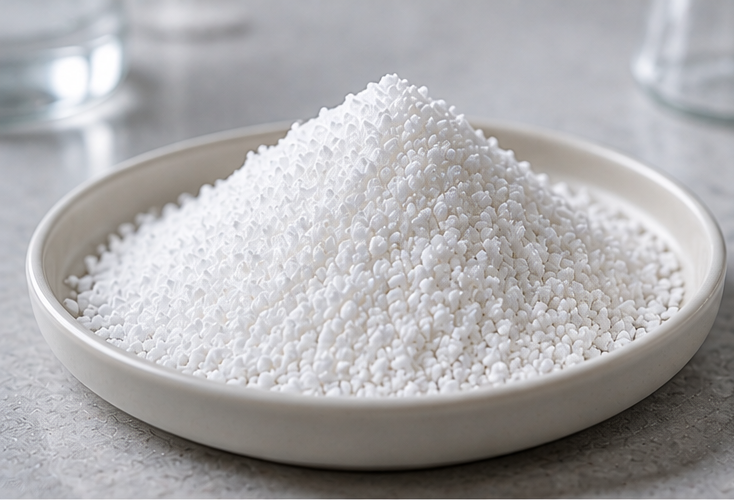
Before comparing quotes, it helps to know exactly which product you need. Citric acid comes as anhydrous crystals or as monohydrate, and each can be supplied in different mesh sizes from coarse granules to fine powder. Fine پودر اسید سیتریک dissolves quickly and blends easily into dry mixes, which is why it is popular for beverages, sweets and effervescent tablets. Granular material flows better and creates less dust, which suits automated dosing systems. Food grade product should comply with standards such as FCC, BP or USP, while technical grade is suitable for detergents, descaling products and construction additives. Matching the grade and form to your process avoids paying for specifications you do not need.
How to Evaluate a Bulk Supplier
A reliable supplier will share a certificate of analysis for every batch, showing assay, moisture, heavy metal limits, sulfated ash and other key values. Ask for the technical data sheet and safety data sheet, and request a sample before placing a large order so your quality team can test it in your own process. Check how long the supplier has handled this product, whether they keep stock locally, and how they manage lead times during busy seasons. Good communication is a strong signal of reliability. A partner who explains specifications clearly and answers questions quickly is usually the same partner who solves problems efficiently if something goes wrong later.
Packaging, Storage and Logistics Considerations
Citric acid is mildly hygroscopic, which means it can absorb moisture and form lumps if stored poorly. Most bulk material is packed in 25 kilogram multi-layer paper or woven polypropylene bags with an inner polyethylene liner, and larger buyers may prefer jumbo bags of around one ton. Ask how bags are palletized and wrapped, since secure packaging reduces damage during transport. Store the product in a cool, dry warehouse away from direct sunlight and strong bases. Plan delivery schedules around your production cycle so stock does not sit too long. Good logistics planning often saves more money than chasing the lowest price on each individual purchase.
Practical Tips for Getting the Best Value
The smartest way to buy citric acid in bulk is to think in terms of total cost rather than unit price. Combine orders to reach full container loads, which lowers freight cost per kilogram. Consider annual agreements with fixed quantities, as suppliers often reward predictable demand with better pricing. Keep an eye on market trends for corn and energy so you can time purchases sensibly. Always confirm specifications in writing and keep records of each batch you receive. Finally, build a relationship with a supplier who understands your industry. Consistent quality, honest advice and dependable delivery will protect your production far better than a one-time discount ever could.
Comments (0)