


Why Vaccinations Matter During Pregnancy
Vaccinations play an important role in protecting both the expectant mother and the developing baby from serious infectious diseases. During pregnancy, the immune system naturally changes to support the growing baby, which can make pregnant women more vulnerable to certain illnesses. Receiving recommended vaccines at the right time helps reduce the risk of complications that could affect pregnancy outcomes or newborn health.
For women planning a family or seeking guidance from a fertility doctor near me, understanding the importance of pregnancy vaccinations is an essential part of pre pregnancy and antenatal care. Healthcare professionals recommend specific vaccines because they have been thoroughly studied for safety and effectiveness during pregnancy. These vaccinations not only protect the mother but also pass protective antibodies to the baby, helping safeguard them during the first few months of life before they are old enough to receive their own immunisations.
Vaccines Commonly Recommended During Pregnancy
Several vaccines are routinely recommended during pregnancy because they offer significant protection against diseases that can have serious consequences for both mother and baby.
Influenza Vaccine
Influenza, commonly known as the flu, can be much more severe during pregnancy. Pregnant women have a higher risk of complications such as pneumonia, hospitalisation, and breathing difficulties if they contract influenza.
Receiving the influenza vaccine during any stage of pregnancy helps reduce the likelihood of severe illness. It also provides antibodies that cross the placenta, giving newborn babies some protection against influenza during their early months of life.
Because flu viruses change regularly, an annual influenza vaccination is recommended, even for women who have previously received the vaccine.
Whooping Cough Vaccine
Whooping cough, also called pertussis, is a highly contagious bacterial infection that can be life threatening for newborn babies. Infants are especially vulnerable before they receive their first routine vaccinations.
The pertussis vaccine is generally recommended during each pregnancy, regardless of previous vaccination history. Administering the vaccine during the recommended weeks of pregnancy allows protective antibodies to pass to the baby before birth, significantly lowering the risk of severe illness after delivery.
COVID 19 Vaccine
COVID 19 infection during pregnancy may increase the risk of severe illness, premature birth, and pregnancy complications. Vaccination helps reduce these risks while also providing some protection for newborn babies through transferred antibodies.
Healthcare providers may recommend vaccination or booster doses depending on individual circumstances, vaccination history, and current public health advice.
Vaccines That May Be Recommended in Special Situations
Not every pregnancy is the same. Some women may require additional vaccinations depending on their health conditions, occupation, travel plans, or lifestyle factors.
Hepatitis B Vaccine
Women who are at increased risk of hepatitis B infection may be advised to receive this vaccine during pregnancy. Hepatitis B can be transmitted from mother to baby during childbirth if appropriate preventive measures are not taken.
Vaccination can help reduce this risk while protecting the mother's long term liver health.
Respiratory Syncytial Virus Vaccination
Respiratory Syncytial Virus, often referred to as RSV, can cause severe respiratory illness in young infants. In some situations, maternal vaccination during pregnancy may be recommended to help transfer protective antibodies to the baby before birth.
Recommendations may vary according to current Australian immunisation guidelines and individual risk factors.
Vaccines That Should Generally Be Avoided During Pregnancy
Certain vaccines containing live weakened viruses are usually not recommended during pregnancy because of theoretical risks to the developing baby.
These may include vaccines for measles, mumps, rubella, and chickenpox. If a woman requires these vaccinations, they are generally administered before conception whenever possible.
Women planning pregnancy should discuss their vaccination history with their healthcare provider to ensure they are protected before becoming pregnant.
When Should Pregnancy Vaccinations Be Given?
Timing is an important part of achieving the best protection.
The influenza vaccine can usually be given at any stage of pregnancy.
The whooping cough vaccine is commonly recommended during the second or third trimester to maximise antibody transfer to the baby.
COVID 19 vaccination timing may depend on previous doses and current health recommendations.
Your obstetrician, general practitioner, or midwife will recommend the most appropriate schedule based on your individual health needs.
Are Pregnancy Vaccinations Safe?
Extensive research conducted around the world has shown that recommended pregnancy vaccines are safe for both mothers and babies. Millions of pregnant women have received these vaccines, and ongoing monitoring continues to support their excellent safety profile.
Like all medicines, vaccines may cause mild side effects. These commonly include soreness at the injection site, mild fatigue, headache, or a low grade fever. These symptoms usually resolve within a few days without treatment.
Serious allergic reactions are extremely rare and healthcare providers are trained to manage them should they occur.
How Vaccinations Protect Your Baby
One of the greatest benefits of maternal vaccination is passive immunity. During pregnancy, protective antibodies produced by the mother's immune system cross the placenta and enter the baby's bloodstream.
These antibodies help protect newborns during the early months of life when their own immune systems are still developing and before they receive routine childhood immunisations.
This early protection is particularly valuable for illnesses such as whooping cough and influenza, which can cause severe complications in young infants.
Preparing for Pregnancy With Updated Immunisations
Women considering pregnancy should review their vaccination history well before conception. This allows time to receive any vaccines that are not recommended during pregnancy but may still be important for long term health.
If you are searching for a fertility doctor near me, discussing your vaccination status should form part of your fertility assessment and pregnancy planning. A healthcare professional can review your immunisation records, recommend any necessary vaccines, and ensure you enter pregnancy with the strongest possible protection for both yourself and your future baby.
Factors That Influence Vaccine Recommendations
Every pregnancy is unique, so vaccine recommendations may differ between individuals. Healthcare providers consider several factors before recommending specific vaccinations.
Medical History
Women with chronic medical conditions such as diabetes, asthma, heart disease, or immune disorders may require additional protection against certain infections.
Occupational Exposure
Pregnant women working in healthcare, childcare, or other high exposure settings may have a greater risk of contracting infectious diseases and could benefit from tailored vaccination advice.
Travel Plans
International travel during pregnancy may increase exposure to diseases that are uncommon in Australia. Depending on the destination, additional vaccinations may be recommended after carefully assessing the benefits and potential risks.
Frequently Asked Questions
Can I receive vaccines during any trimester of pregnancy?
Some vaccines, such as the influenza vaccine, can be given during any stage of pregnancy, while others are recommended during specific weeks to provide maximum protection for your baby.
Will pregnancy vaccines harm my unborn baby?
No. Vaccines routinely recommended during pregnancy have been extensively studied and are considered safe for both the mother and the developing baby.
Do I need the whooping cough vaccine during every pregnancy?
Yes. The whooping cough vaccine is recommended during every pregnancy because each baby needs fresh antibodies for protection after birth.
Should I discuss vaccinations before trying to conceive?
Yes. Reviewing your immunisation status before pregnancy allows your healthcare provider to recommend any vaccines that may be needed before conception, helping support a healthier pregnancy journey.
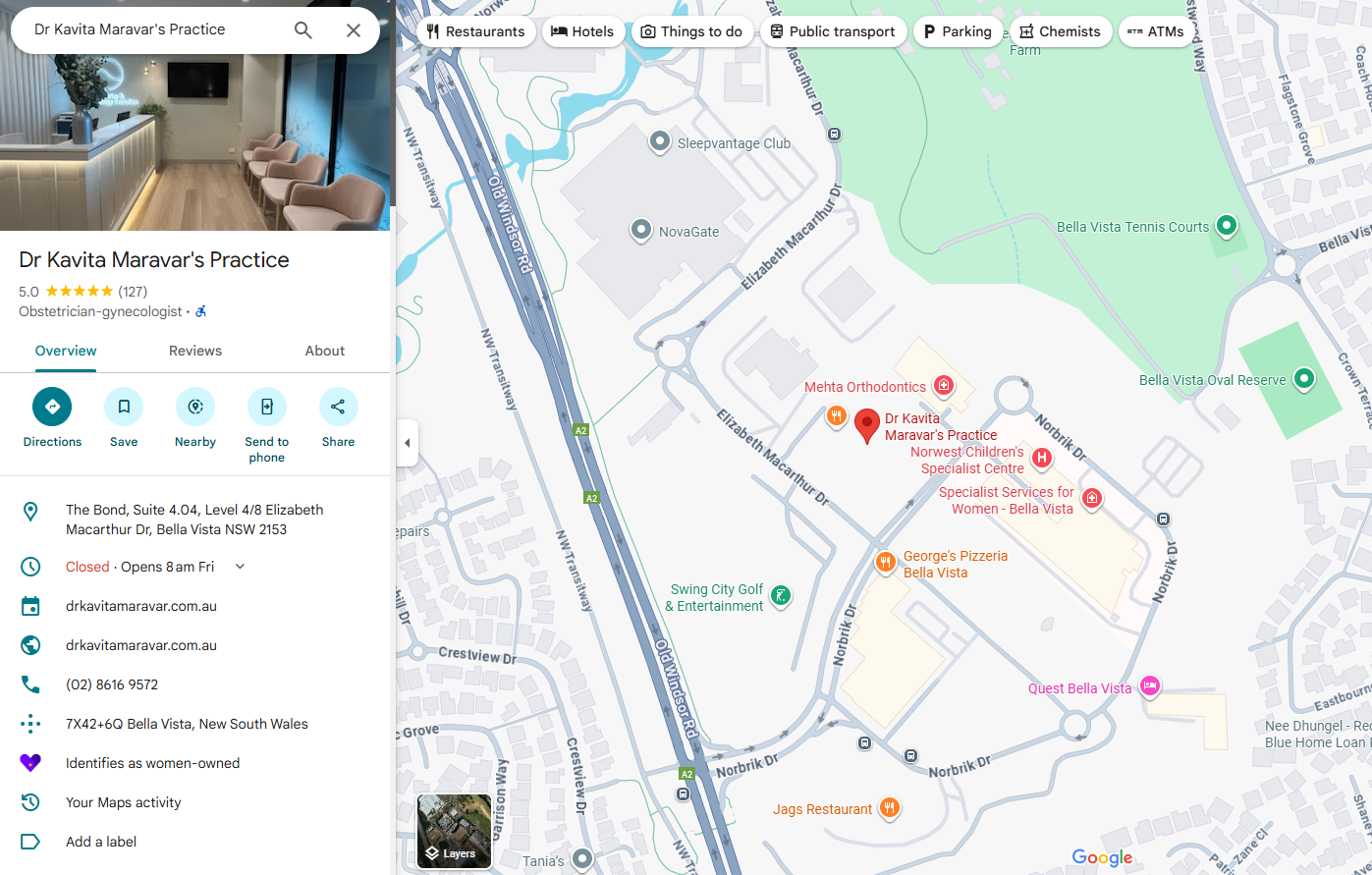
Dr Kavita Maravar's Practice
The Bond, Suite 4.04,
Level 4/8 Elizabeth Macarthur Dr,
Bella Vista NSW 2153, Australia
+61286169572
Comments (0)