


Pain Is Common, But It Should Not Be Dismissed
Many people grow up hearing that period pain is simply part of life. A little cramping or discomfort can happen during menstruation, but severe pain that interrupts school, work, sleep, relationships, exercise or daily routines should never be brushed aside as normal. The idea that painful periods must be tolerated often delays care and leaves many women managing symptoms in silence.
When pain becomes intense, regular or difficult to control, it may be a sign that the body needs proper medical attention. Some women begin looking for a fertility doctor near me only when they are trying to conceive, but painful periods can deserve investigation much earlier, especially when symptoms keep returning month after month.
Why The Word Normal Can Be Misleading
Calling painful periods normal can make people feel as though they are overreacting. This can be harmful because it encourages silence instead of support. Menstrual pain exists on a wide spectrum. Mild cramps that ease with simple care are very different from pain that causes vomiting, faintness, bowel discomfort, heavy bleeding or the need to cancel plans.
The word normal is often used because period pain is common. However, common does not always mean healthy. Headaches are common too, but ongoing severe headaches would still deserve medical review. Period pain should be considered in the same way. The key question is not whether others experience it, but whether it is affecting quality of life.
Signs Period Pain May Need Attention
Pain That Interrupts Daily Life
Pain that stops someone from attending work, school, university, social events or family responsibilities is worth discussing with a health professional. If pain regularly requires strong medication, bed rest or time away from normal activities, it should not be ignored.
Pain That Gets Worse Over Time
Period pain that suddenly changes, becomes stronger or lasts longer than usual may need further assessment. A change in symptoms can sometimes point to underlying conditions such as endometriosis, adenomyosis, fibroids, pelvic inflammatory disease or ovarian concerns.
Pain Beyond The Period
Pain that appears before the period, during ovulation, after intercourse, while passing urine or during bowel movements can also be a warning sign. Menstrual health is connected to the wider pelvic area, so pain patterns can reveal more than people realise.
Conditions That Can Hide Behind Period Pain
Endometriosis
Endometriosis is one of the most discussed causes of severe period pain. It occurs when tissue similar to the lining of the uterus grows outside the uterus. This can lead to inflammation, pelvic pain, pain during sex, bowel symptoms, fatigue and fertility concerns. Many women experience symptoms for years before receiving answers because their pain is dismissed as ordinary period discomfort.
Adenomyosis
Adenomyosis happens when tissue similar to the uterine lining grows into the muscle wall of the uterus. It can cause painful periods, heavy bleeding, pelvic pressure and cramping. Some women describe the pain as deep, heavy or dragging.
Fibroids
Fibroids are non cancerous growths that develop in or around the uterus. They may cause heavy bleeding, pelvic discomfort, bloating and period pain. Some fibroids create no symptoms, while others can significantly affect daily life.
Emotional Impact Of Being Told It Is Just Period Pain
Being repeatedly told that pain is normal can affect confidence. Many women start questioning their own bodies and may feel embarrassed to speak up. This can create emotional stress, frustration and isolation.
Pain can also affect relationships and work performance. When someone has to cancel plans or take regular days off, they may worry about being judged. A more supportive approach begins with believing that severe period pain is real and deserves care.
Tracking Symptoms Can Help
Keeping a period diary can make medical appointments more useful. It can help to record the date of each period, pain level, bleeding flow, medication use, mood changes, bowel symptoms, nausea, fatigue and any pain during sex.
This information gives doctors a clearer picture of patterns. It can also help identify whether pain is linked only to menstruation or appears at other times in the cycle. The more specific the details, the easier it may be to decide whether further tests, scans or referrals are needed.
Treatment Should Be Personalised
There is no single solution for painful periods because the cause can vary. Some people may benefit from lifestyle support, heat therapy, anti inflammatory medication, hormonal options or pelvic physiotherapy. Others may need imaging, specialist review or further investigation.
Medical care should focus on the person, not just the symptom. Age, cycle history, fertility goals, family history, pain pattern and overall health all matter. For someone planning pregnancy or struggling to conceive, searching for a fertility doctor near me may be part of finding the right pathway, especially if painful periods are connected with suspected endometriosis or other reproductive concerns.
Changing The Conversation Around Period Pain
The misconception about normal painful periods continues because many people are taught to endure rather than ask questions. Better education can help young girls, women and families recognise when pain needs attention. Conversations about periods should include comfort, dignity and medical awareness, not shame.
Parents, partners, teachers and workplaces also have a role to play. When people feel safe discussing symptoms, they are more likely to seek help early. This can reduce years of unnecessary discomfort and improve access to timely care.
Frequently Asked Questions
Are painful periods always a sign of a medical condition?
Not always. Mild cramps can be a common part of menstruation. However, severe pain, worsening pain or pain that affects daily life should be checked by a doctor.
What symptoms should not be ignored with period pain?
Symptoms such as very heavy bleeding, pain during sex, bowel pain, nausea, faintness, pelvic pain outside the period or difficulty conceiving should be discussed with a health professional.
Can painful periods affect fertility?
Painful periods do not always affect fertility, but conditions such as endometriosis or fibroids may sometimes be linked with fertility challenges. A fertility specialist Westmead may help assess symptoms, reproductive goals and possible next steps.
When should someone seek help for period pain?
Someone should seek help when period pain interferes with daily life, becomes worse over time, does not improve with usual care or comes with unusual symptoms such as heavy bleeding, pelvic pressure or pain outside the period.
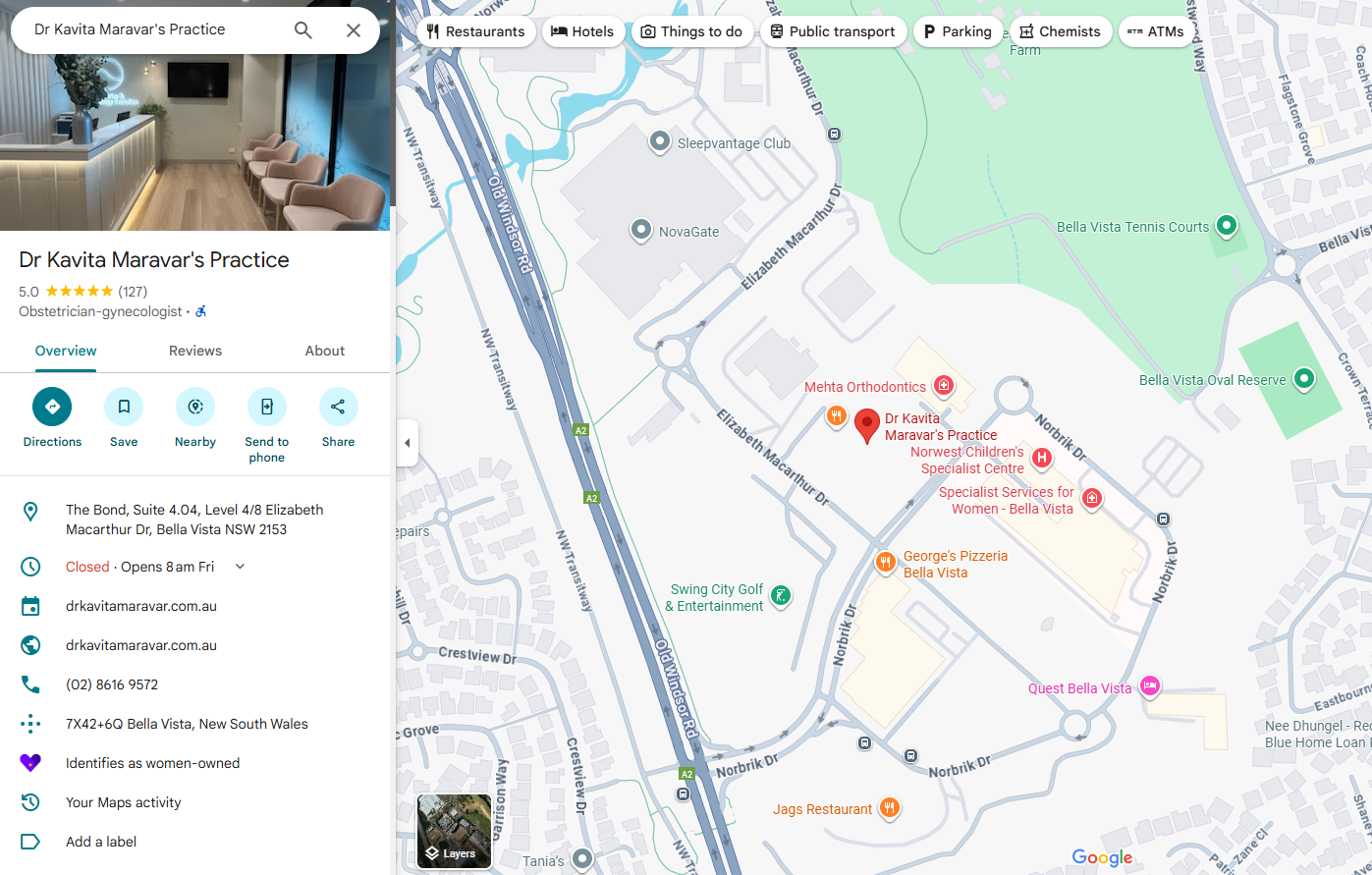
Dr Kavita Maravar's Practice
The Bond, Suite 4.04,
Level 4/8 Elizabeth Macarthur Dr,
Bella Vista NSW 2153, Australia
+61 2 8616 9572
Comments (0)