


Persistent Pelvic Pain That Should Not Be Ignored
Pelvic pain is one of the most common warning signs of endometriosis. Many women experience discomfort during their menstrual cycle, but endometriosis-related pain is often more intense and can occur at different times throughout the month. The pain may feel sharp, dull, or cramping and can interfere with daily activities, work, and social commitments.
Women searching for an obstetric ultrasound near me may do so after experiencing ongoing pelvic discomfort that remains unexplained. While ultrasound scans cannot always confirm endometriosis, they may help identify associated conditions such as ovarian cysts and support further investigation.
When Pelvic Pain Becomes a Concern
Pain that worsens over time, continues after menstruation, or affects mobility should be assessed by a healthcare professional. Persistent symptoms are not something that should simply be accepted as part of normal menstruation.
Severe Period Pain Beyond Typical Menstrual Cramps
Many women with endometriosis report extremely painful periods. Unlike ordinary menstrual cramps, this pain can start several days before menstruation and continue throughout the cycle. It may also become progressively worse with age.
Common Symptoms During Menstruation
Women experiencing severe period pain may notice:
- Intense abdominal cramping
- Lower back pain
- Pain radiating into the legs
- Nausea and fatigue
- Difficulty carrying out daily tasks
When pain regularly requires strong medication or causes missed work or study, it may indicate an underlying condition such as endometriosis.
Pain During or After Intimacy
Pain during sexual intercourse is another significant warning sign. This symptom occurs because endometrial-like tissue can grow in areas surrounding the reproductive organs, leading to inflammation and tenderness.
How Endometriosis Affects Intimacy
Pain may occur during deep penetration, immediately afterwards, or even several hours later. This discomfort can affect emotional wellbeing, relationships, and overall quality of life. Many women hesitate to discuss this symptom, which can delay diagnosis and treatment.
Heavy Menstrual Bleeding or Irregular Cycles
Although not every woman with endometriosis experiences heavy periods, abnormal menstrual bleeding is relatively common. Some women notice unusually heavy flow, while others experience spotting between periods.
Signs of Abnormal Bleeding
Heavy menstrual bleeding may involve:
- Frequently changing sanitary products
- Passing large blood clots
- Extended periods lasting more than seven days
- Bleeding between menstrual cycles
Monitoring changes in menstrual patterns can provide valuable information when discussing symptoms with a healthcare provider.
Digestive Issues That Appear Around Menstruation
Endometriosis can affect areas near the bowel, leading to digestive symptoms that often mimic other gastrointestinal conditions.
Common Digestive Symptoms
Women with endometriosis may experience:
- Bloating
- Constipation
- Diarrhoea
- Nausea
- Pain during bowel movements
These symptoms often become more noticeable before or during menstruation. Because digestive complaints are common in many conditions, endometriosis can sometimes remain undiagnosed for years.
Chronic Fatigue and Low Energy Levels
Living with chronic pain and inflammation can significantly affect energy levels. Many women with endometriosis describe persistent fatigue that is not relieved by adequate sleep or rest.
Why Fatigue Occurs
Several factors may contribute to fatigue, including:
- Ongoing inflammation
- Poor sleep due to pain
- Heavy menstrual bleeding
- Emotional stress related to chronic symptoms
Persistent tiredness combined with other symptoms may warrant further medical evaluation.
Difficulty Falling Pregnant
Endometriosis is one of the leading causes of fertility challenges in women. While not all women with the condition experience infertility, it can affect reproductive health in several ways.
Impact on Fertility
Endometriosis may contribute to:
- Blocked fallopian tubes
- Inflammation around reproductive organs
- Reduced egg quality
- Altered pelvic anatomy
Women trying to conceive who have symptoms such as severe period pain or chronic pelvic discomfort should discuss these concerns with their healthcare provider.
Lower Back and Leg Pain
Pain associated with endometriosis is not always limited to the pelvic area. Some women experience discomfort in the lower back, hips, buttocks, or legs.
Why Pain Spreads
Endometrial-like tissue can irritate nearby nerves and tissues, causing pain to radiate beyond the reproductive organs. This symptom may become particularly noticeable during menstruation, but can also occur at other times.
Ovarian Cysts Linked to Endometriosis
Certain ovarian cysts known as endometriomas are commonly associated with endometriosis. These cysts contain old blood and can cause pain, pressure, and discomfort.
Women looking for an obstetric ultrasound near me may be referred for imaging when ovarian cysts are suspected. Ultrasound examinations can help identify abnormalities that require further assessment by a specialist.
Symptoms of Ovarian Cysts
Possible signs include:
- Pelvic pressure
- Abdominal bloating
- Pain during menstruation
- Discomfort during physical activity
Early assessment can assist in determining the most appropriate management approach.
Emotional and Mental Health Changes
Chronic pain and ongoing health concerns can have a considerable impact on mental wellbeing. Many women with endometriosis experience emotional challenges alongside physical symptoms.
Psychological Effects
These may include:
- Anxiety
- Mood changes
- Frustration due to delayed diagnosis
- Reduced confidence in daily activities
Addressing both physical and emotional symptoms is an important part of comprehensive care.
Recognising Patterns in Symptoms
One of the key indicators of endometriosis is the recurring nature of symptoms. Many women notice that pain, digestive issues, fatigue, or bleeding changes become worse around their menstrual cycle.
Seeking medical advice and diagnostic testing, including options found when searching for an obstetric ultrasound near me, may help identify contributing factors and guide further specialist evaluation.
Frequently Asked Questions
What is the most common early sign of endometriosis?
Persistent pelvic pain, particularly during or around menstruation, is often one of the earliest and most common signs of endometriosis.
Can endometriosis cause symptoms between periods?
Yes. Many women experience pelvic pain, fatigue, digestive issues, and discomfort throughout the month, not only during menstruation.
Does endometriosis always cause infertility?
No. Many women with endometriosis conceive naturally, although the condition can increase the risk of fertility challenges.
Can an ultrasound diagnose endometriosis?
An ultrasound may identify ovarian cysts and related abnormalities, but it cannot always detect all endometriosis lesions. Additional assessment may be required for a definitive diagnosis.
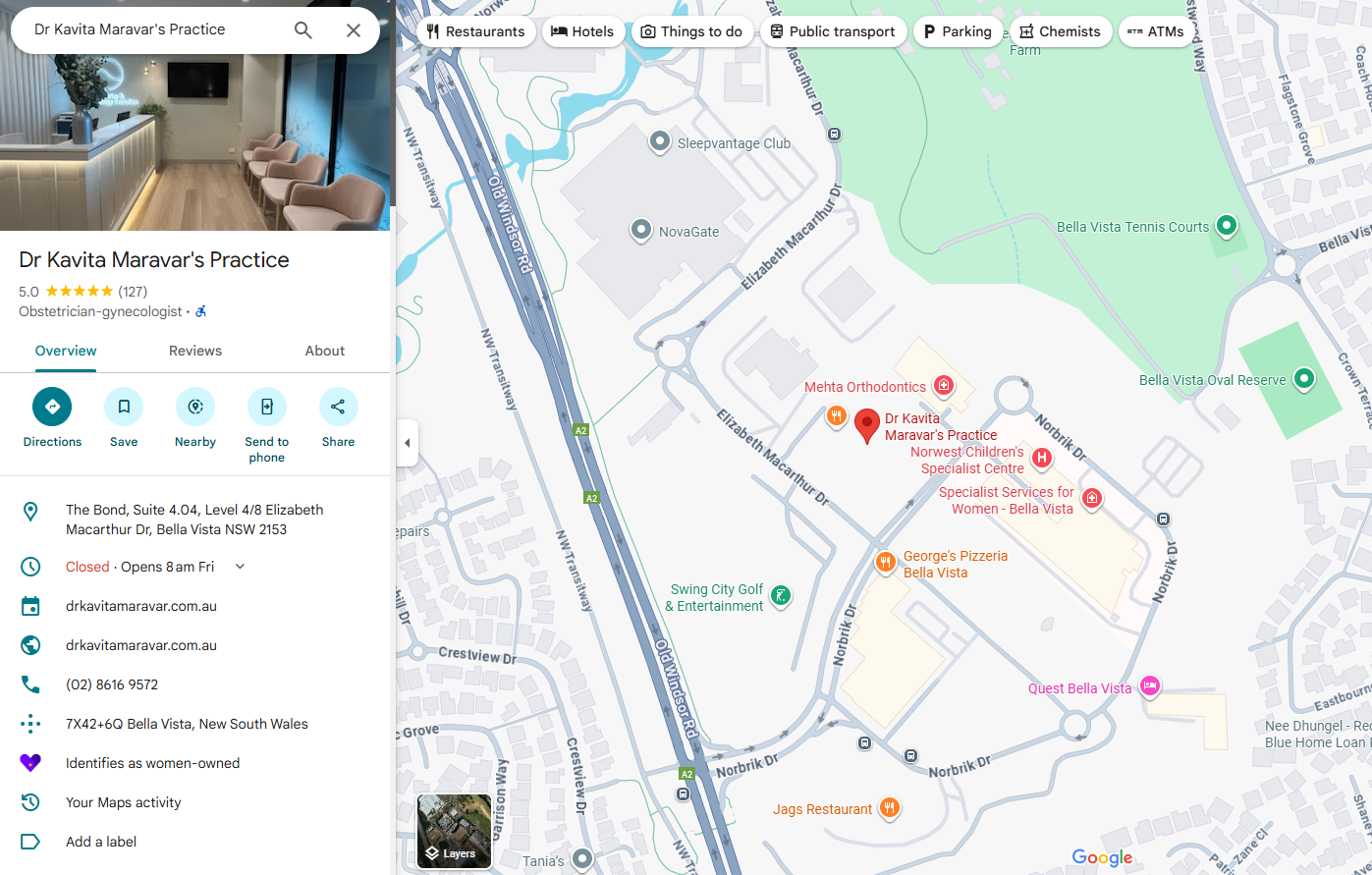
Dr Kavita Maravar's Practice
The Bond, Suite 4.04,
Level 4/8 Elizabeth Macarthur Dr,
Bella Vista NSW 2153
02 8616 9572
Comments (0)