


You wash your hands. You wipe down the kitchen counter. You maybe even use a disinfectant spray on the bathroom sink. But have you ever considered what you are leaving behind? Not the dirt, but the living community of bacteria that resides on every surface in your home. For decades, health advice has focused almost exclusively on the germs you can catch. Wash your hands to avoid getting sick. Disinfect surfaces to kill pathogens. Clean the air to breathe easier. This focus on defense has caused us to overlook an equally important side of indoor health. The surface microbes in your home are not just potential threats. They are also potential allies. They train your immune system, break down allergens, and even influence your mood. Ignoring them means missing half the picture of what makes an indoor environment truly healthy.
The Skin Microbiome Connection
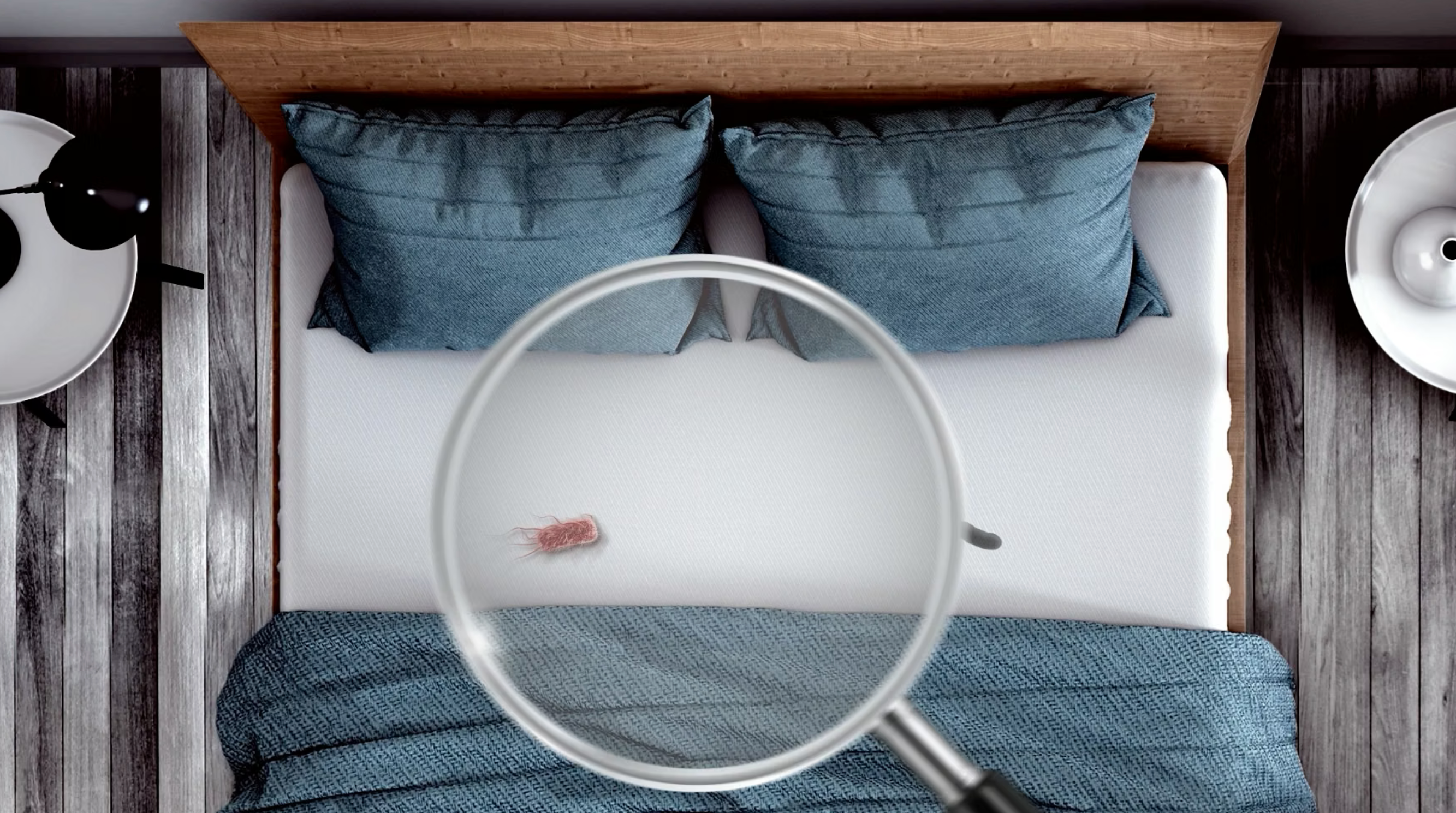
Your skin is the largest organ of your body, and it is covered in bacteria. Your skin microbiome protects you from pathogens, helps heal wounds, and communicates with your immune system. But your skin microbiome does not exist in isolation. It is constantly exchanging bacteria with your home environment. Every time you sit on a couch, lay in a bed, or rest your arm on a desk, you transfer bacteria from your skin to that surface, and you pick up bacteria from that surface onto your skin. The surface microbes in your home become part of your personal microbial community. If your surfaces are dominated by beneficial bacteria, you will have more beneficial bacteria on your skin. If your surfaces are dominated by problematic strains, your skin microbiome will shift in that direction. Your home is not separate from your body. It is an extension of it. The microbes on your walls and floors become the microbes on your hands and face.
Surfaces as Immune System Trainers
Your immune system learns what to attack and what to tolerate through exposure. This learning process requires a steady stream of harmless microbes to practice on. In childhood, the immune system is especially plastic, but adults continue to learn throughout life. Surfaces in your home are a primary source of this microbial education. Every time you touch a doorknob, lean against a wall, or walk barefoot on a carpet, you expose your immune system to the bacteria living there. If those bacteria are diverse and generally beneficial, your immune system learns to stay calm. If your surfaces are nearly sterile, your immune system becomes bored and jumpy, overreacting to harmless triggers. If your surfaces are dominated by a few tough, chemical-resistant strains, your immune system may become chronically inflamed. The surfaces you touch every day are not just passive backgrounds. They are active teachers. The question is what they are teaching.
The Dust Microbiome and Respiratory Health
Dust is not just dirt. It is a complex community of skin cells, fabric fibers, food particles, and, most importantly, bacteria and fungi. When you vacuum or even just walk across a room, you disturb dust, and the microbes in that dust become airborne. You breathe them in. The dust microbiome, the collection of bacteria living in the dust on your floors and shelves, is a major source of your daily microbial exposure. Research has shown that homes with higher diversity in their dust microbiomes have lower rates of asthma and allergies. Homes with dust dominated by a few species, particularly mold and certain bacteria, have higher rates of respiratory problems. The dust you sweep under the rug, literally, matters. Changing how you clean, what products you use, and whether you introduce probiotics all affect the dust microbiome and therefore what you breathe.
How Cleaning Habits Reshape Surface Communities
Every time you clean, you reshape the microbial community on your surfaces. A dry cloth or feather duster disturbs dust and launches microbes into the air, but it does not remove them from surfaces. A damp cloth captures and removes microbes, lowering the total population. A disinfectant kills most microbes but leaves behind chemical residues and creates selective pressure for resistant strains. A probiotic surface spray adds beneficial microbes to the community. Your cleaning habits are not neutral. They actively determine which bacteria thrive in your home. Households that rely on daily disinfectants have surface microbiomes dominated by a few resistant strains. Households that use plain soap and water have more diverse communities. Households that add probiotics have surface communities shifted toward beneficial Bacillus species. You are not just cleaning. You are gardening. You are choosing which microbial flowers to water and which weeds to pull.

The Overturned Theory of Sterility
For most of the past century, the dominant theory of their indoor microbiome guide health was sterility. Clean meant germ-free. The fewer bacteria, the better. This theory has been overturned, but old habits die hard. Researchers now understand that a completely sterile home is not only impossible but undesirable. The healthiest homes are not the ones with the fewest bacteria. They are the ones with the most balanced bacterial communities. A home with a diverse surface microbiome, dominated by beneficial species and kept in check by regular but not obsessive cleaning, produces healthier occupants than a home that is disinfected daily. This does not mean you should stop cleaning. It means you should clean differently. Remove dirt and organic debris. Capture dust with damp cloths and HEPA vacuums. But stop trying to achieve sterility. Your health depends on the microbes you keep, not just the ones you kill.
Practical Steps to a Healthier Surface Microbiome
You can take practical steps today to improve your home’s surface microbiome. First, switch from dry dusting to damp dusting. A damp microfiber cloth captures bacteria rather than launching them into the air. Second, reduce disinfectant use. Reserve harsh chemicals for raw meat spills and illness outbreaks. For daily cleaning, use plain soap and water. Third, introduce probiotics. Surface sprays and air purifiers that release beneficial Bacillus species actively shift your surface microbiome toward a healthier balance. Fourth, increase ventilation. Outdoor air brings in soil and plant bacteria that add diversity. Fifth, bring in houseplants. The soil in plant pots is a rich source of beneficial bacteria. Sixth, relax about the inevitable presence of microbes. Your home is an ecosystem. Your body is an ecosystem. They have always been connected. The forgotten side of indoor health is finally being remembered, and the news is good. You do not have to wage war on the invisible life around you. You just have to learn to live in balance with it.
Comments (0)