


Most homeowners don’t think about their heating and cooling system until it stops working. And by then, the damage is often already done—a small problem that could have been fixed during a routine maintenance visit has snowballed into an expensive emergency repair. Hannah’s Heating and Air wants to change that mindset. They believe that professional maintenance isn’t an unnecessary expense; it’s the single smartest investment you can make in your home’s comfort and your family’s safety. Regular checkups keep your equipment running efficiently, catch small failures before they become big ones, and extend the life of your furnace and air conditioner by years. The team at Hannah’s has designed maintenance programs that are thorough, affordable, and convenient, because they know that the best maintenance plan is the one you actually stick with season after season. For more click here https://hannahsheatingandairsc.com/heating-and-cooling-greer-sc/
What Happens During a Professional HVAC Tune-Up
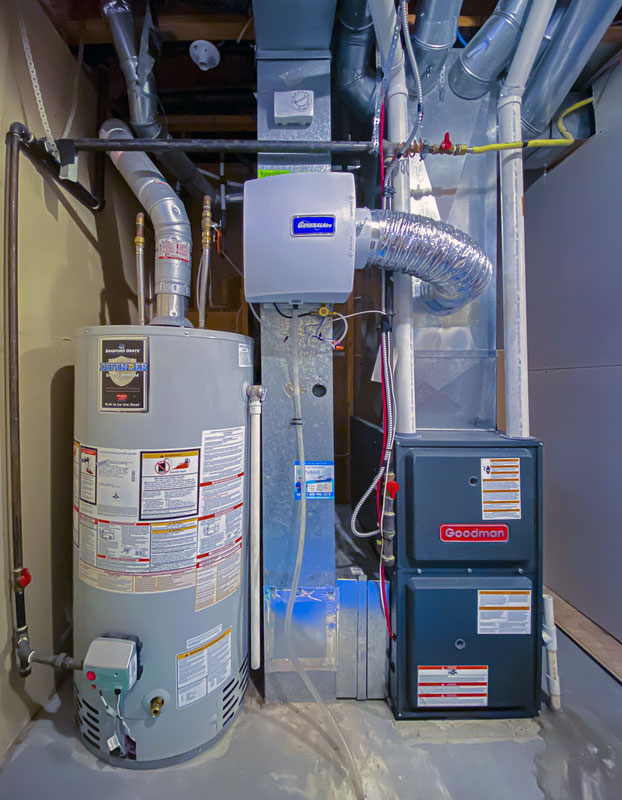
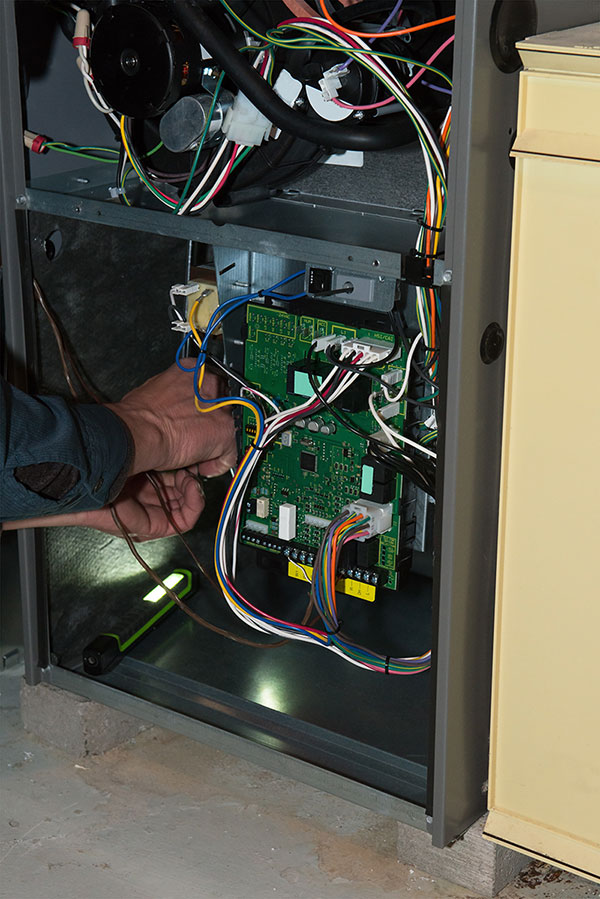
If you’ve never had your system professionally maintained, you might wonder what actually happens during a tune-up. Hannah’s Heating and Air follows a comprehensive checklist that leaves no component overlooked. The technician starts by inspecting your thermostat calibration to ensure it’s reading temperature accurately and communicating properly with your equipment. They then move to the indoor unit, cleaning the blower assembly, checking the condensate drain for clogs, inspecting electrical connections for looseness or corrosion, and testing the capacitor and contactor for signs of impending failure. For a furnace, they’ll examine the heat exchanger for cracks, check the burner assembly, test gas pressure, and verify safety limit switches. For an air conditioner, they’ll clean the evaporator coil, check refrigerant levels, inspect the outdoor condenser, clean those coils, and test compressor operation. The entire visit typically takes about an hour, and when it’s done, you receive a written report detailing everything they found and any recommendations for future attention.
The Difference Between DIY Maintenance and Professional Service
Walking through the hardware store, you’ll see furnace filters, coil cleaning sprays, and even thermostat batteries. And yes, there are certainly things you can and should do yourself, like changing your air filter every one to three months. But there’s a vast difference between basic homeowner maintenance and a true professional tune-up. A homeowner can clean a filter, but they can’t measure refrigerant subcooling or superheat to verify a perfect charge. They can listen for strange noises, but they can’t use a combustion analyzer to check for dangerous carbon monoxide. They can hose off an outdoor unit, but they can’t inspect the compressor terminals for signs of electrical failure. Hannah’s Heating and Air brings specialized tools, years of training, and the kind of diagnostic experience that only comes from working on thousands of systems. Your DIY efforts are valuable and appreciated, but they’re no substitute for a professional who knows exactly what to look for and where to find it.
How Regular Maintenance Prevents Summer Breakdowns
There’s a predictable pattern every summer in Greer. The first real heatwave hits, temperatures soar into the mid-nineties, and suddenly every HVAC company in town is swamped with emergency calls. Homes that went without spring maintenance are the ones that fail first—a dirty condenser coil that couldn’t reject heat, a low refrigerant charge that finally caused the compressor to overheat, a failing capacitor that gave up under the extra load. Hannah’s Heating and Air encourages homeowners to break this cycle by scheduling spring maintenance before the heat arrives. During that visit, the technician cleans the outdoor coil so it can release heat efficiently. They check the refrigerant charge and top it off if needed. They test the capacitor under load conditions that simulate a hot day. By addressing these issues in April or May, you enter summer with confidence that your AC will handle whatever July throws at it, and you avoid being one of the desperate callers waiting days for an emergency appointment.
Why Fall Furnace Inspections Save Winter Headaches
The same logic applies to your heating system, just shifted by six months. By the time cold weather arrives in November or December, every furnace that’s going to fail will fail, and the good technicians will be booked solid. Hannah’s Heating and Air recommends scheduling your furnace inspection in September or October, before the first frost. The technician will test the heat exchanger for cracks that could leak carbon monoxide—a potentially life-saving check that no homeowner should skip. They’ll clean the flame sensor, which is notorious for getting coated with carbon and causing intermittent operation. They’ll verify that the inducer motor and blower motor are drawing the correct electrical amperage, a key indicator of internal wear. If any problems are found, you have weeks to schedule repairs at your convenience rather than waiting in the cold for an emergency appointment.
The Financial Case for Preventative Maintenance
Let’s talk dollars and cents, because that’s what ultimately drives most home decisions. A typical maintenance visit from Hannah’s Heating and Air costs a fraction of what a single emergency repair costs. Yet customers who skip maintenance often face multiple repairs each year—a failed capacitor here, a dirty sensor there, a refrigerant leak that went unnoticed. These small repairs add up quickly, often exceeding the cost of maintenance many times over. Then there’s the energy efficiency argument. A system with dirty coils, low refrigerant, or a failing motor uses significantly more electricity or gas than a well-maintained one. That extra energy consumption shows up on every utility bill, month after month, year after year. And finally, there’s the lifespan argument. A neglected system might last ten years before major failures force replacement. A maintained system often lasts fifteen years or more. Spreading the cost of a new system over fifteen years instead of ten is a substantial financial benefit that most homeowners never consider.
What to Expect From Hannah’s Maintenance Agreement
Hannah’s Heating and Air offers maintenance agreements that make regular service simple and affordable. When you sign up, they schedule your spring AC tune-up and your fall furnace inspection automatically, so you never have to remember to call. You receive reminders before each visit, and you can reschedule easily if the timing doesn’t work. Members get priority scheduling over non-members, which means when summer heatwaves hit, you still get your appointment quickly. You also receive a discount on any repairs that come up between maintenance visits, along with waived trip fees for emergency calls. The agreement is month-to-month with no long-term contract, so you’re never locked in. The team at Hannah’s designed this program to remove every possible barrier to regular maintenance, because they genuinely believe it’s the best way to protect your home, your budget, and your comfort. Many Greer homeowners have found that peace of mind alone makes the small monthly investment worthwhile.
Comments (0)