


Remember the last time you sat in a classroom for an entire day? By 2pm, your eyes were heavy, your coffee was cold, and you were mentally composing your grocery list instead of listening. Traditional first aid courses have always struggled with this problem. Two full days of lectures, demonstrations, and practice sessions sound great in theory, but human attention spans have limits. Irish First Aid recognised this years ago and invested heavily in blended learning, where you complete the theoretical portion online at your own pace, then attend a single day of in-person practical training. The benefits go far beyond convenience. Let me walk you through why this model is transforming how Irish people learn first aid, and why it might be the perfect fit for your schedule and learning style.
Learning at Your Own Pace Without Classroom Pressure
One of the most frustrating aspects of a traditional classroom is the fixed pace. Either you are bored because the instructor is moving too slowly, or you are lost because they are moving too quickly. Blended learning eliminates that problem entirely. When you take Irish First Aid’s online theory modules, you control the speed. If a section on stroke recognition clicks immediately, you can breeze through it in five minutes. If a section on paediatric CPR feels confusing, you can watch the video three times, read the accompanying text, and take the quiz twice before moving on. There is no embarrassed hand-raising, no feeling stupid in front of classmates, no pressure to pretend you understand before you actually do. Irish First Aid’s learning platform tracks your progress, so you can start a module on your lunch break, finish it after dinner, and pick up exactly where you left off the next day. This flexibility is especially valuable for people who learn best in short, focused bursts rather than long, exhausting stretches.
Reduced Time Away from Work and Family
Let us do the maths honestly. A traditional two-day first aid course means two full days away from your desk, your family, or both. For self-employed people, that is two days of lost income. For parents, that is two days of arranging childcare. For shift workers, that is two days of swapping shifts or using holiday leave. Blended learning reduces your in-person commitment to a single day. The online theory takes roughly six to eight hours, but you can spread those hours across a week or even two weeks, fitting them into the cracks of your existing schedule. Irish First Aid has heard from nurses who completed their online modules during night shifts, from busy mothers who studied after putting the children to bed, and from construction workers who did their theory on rainy Sundays when outdoor work was cancelled. That single practical day still requires travel and time away, but cutting the commitment from sixteen hours of classroom time to eight hours of self-paced study plus one eight-hour practical day is a dramatic reduction in life disruption.
Better Knowledge Retention Through Spaced Learning
Educational psychology has a well-established finding that matters for first aid training. People remember information better when they learn it in multiple, spaced sessions rather than one long marathon. This is called the spacing effect. A traditional two-day course crams all the theory into the first morning, and by the time you reach the practical assessments on the second afternoon, some of that early information has already faded. Blended learning naturally spaces out your exposure. You might learn about burns on Tuesday evening, fractures on Thursday morning, and cardiac emergencies over the weekend. Each session is relatively short, and the gaps between them allow your brain to consolidate the information before moving on to the next topic. Irish First Aid instructors have noticed that blended learners arrive at the practical day with fewer basic questions and more confidence. They have already wrestled with the material, made mistakes on low-stakes quizzes, and revisited tricky concepts. The practical day then becomes about refining physical skills rather than absorbing new information under time pressure.
More Hands-On Practice During the In-Person Day
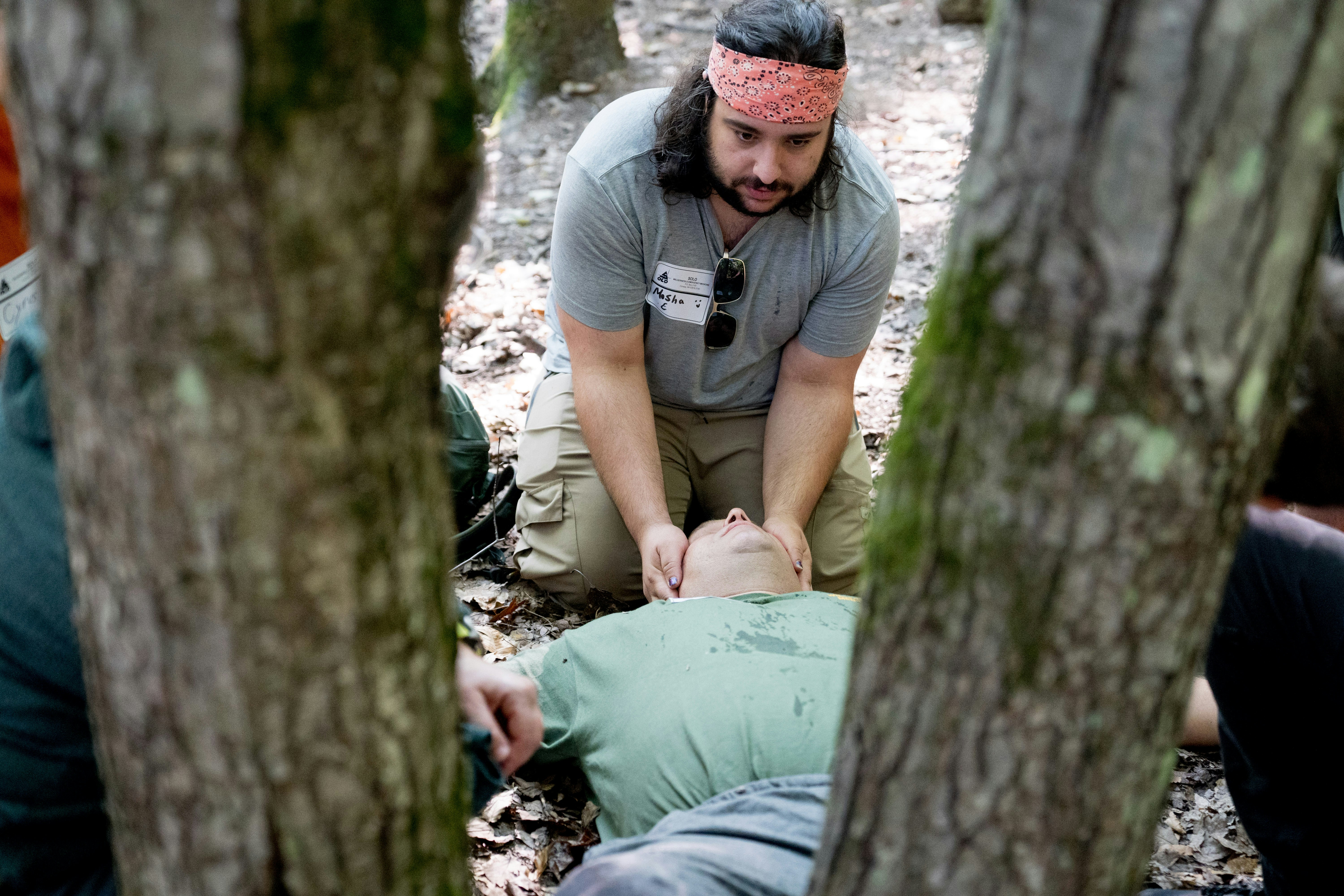
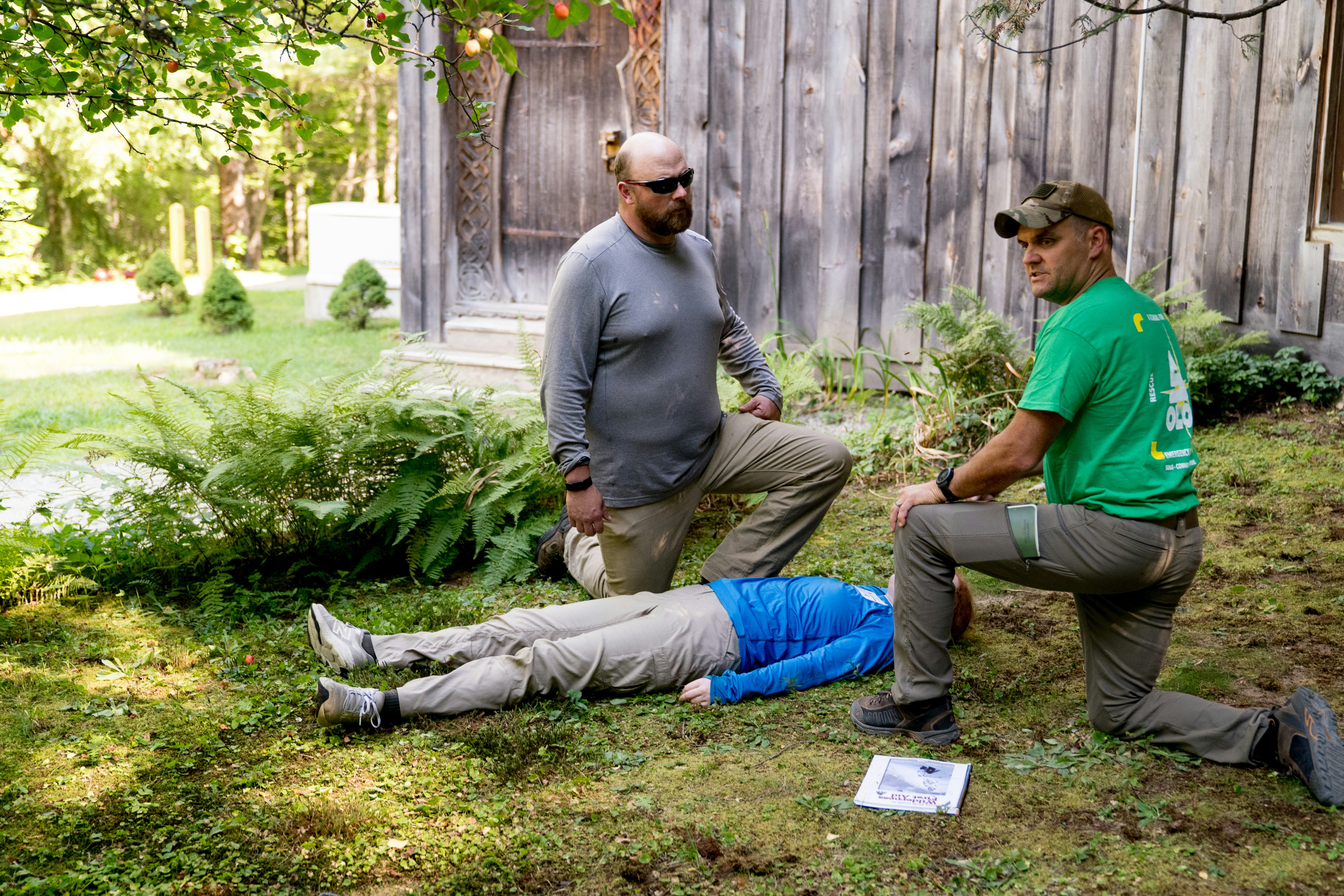
Here is a hidden benefit that many people do not anticipate. Because blended learners complete all their theory online, the in-person practical day has no lectures, no slide shows, and no time spent reading from a manual. Every single minute of that day is dedicated to hands-on skills. You will kneel on the floor and practice CPR until your rhythm feels automatic. You will wrap bandages, apply tourniquets, and roll classmates into the recovery position. You will run through realistic scenarios with immediate feedback from an instructor who is watching your every move. In a traditional two-day course, the ratio of practical time to theory time might be fifty-fifty or even sixty-forty in favour of theory. In Irish First Aid’s blended model, the practical day is one hundred percent practice and assessment. That concentrated practice produces better muscle memory and greater confidence than the same total hours spread thinly across two days with constant interruptions for theory.
Lower Anxiety and Better Performance on Assessment
Nervousness before a first aid assessment is normal. But for some people, the anxiety is magnified by the classroom environment itself. The pressure of being watched while learning something new, the fear of looking foolish in front of strangers, the stress of keeping up with the group’s pace. Blended learning removes most of these triggers. You learn the theory in the privacy of your own home, wearing comfortable clothes, with no one watching except possibly your cat. By the time you walk into the practical day, you already know the material. The only unknown is whether your hands can perform the skills correctly. This separation of knowledge acquisition from skill demonstration reduces cognitive load and allows you to focus entirely on the physical tasks. Irish First Aid’s data shows that blended learners pass their practical assessments at slightly higher rates than traditional classroom learners, not because they are smarter, but because they arrive less anxious and better prepared.
The Same QQI Accreditation and Employer Recognition
This is the most important benefit, and it is worth stating clearly. A blended QQI Level 5 First Aid Response certificate from Irish First Aid is exactly the same qualification as a traditional classroom certificate. It carries the same credits on the National Framework of Qualifications. It is recognised by the Health and Safety Authority in exactly the same way. Employers cannot tell the difference, because there is no difference. The only thing that changes is how you learned the theory. Some people worry that employers might look down on blended learning as a “lighter” version of the course. That is a myth. What employers care about is the QQI logo, the unique learner number, and the expiry date. They do not care whether you watched a video on your laptop or sat in a classroom. Irish First Aid is transparent about their blended model, and they have never had an employer reject a blended graduate. The certificate speaks for itself.
Comments (0)