


You walk into a friend’s home and notice a pleasant scent. Maybe vanilla, maybe ocean breeze, maybe clean linen. The air smells fresh. But when you return to your own home, you notice something different. There is no artificial fragrance, but there is also no bad smell. Just neutral air. Which home is actually cleaner? The one with the scent or the one without? This question gets to the heart of the difference between natural air purification and air fresheners. One solves the underlying problem. The other covers it up. Understanding this distinction will save you money and improve your health. Air fresheners are not air purifiers. They are perfumes for your rooms, and perfumes do not clean anything.
What Air Fresheners Actually Do
An air freshener, whether a spray, a plug-in, a gel, or a scented candle, does one thing. It releases fragrance compounds into your indoor air. These compounds bind to odor receptors in your nose, overwhelming them with a pleasant scent so you no longer notice the unpleasant one. That is it. The source of the bad smell, whether it is mold, garbage, pet odors, or mildew, is still there. It has not been removed. It has not been neutralized. It has just been drowned out by perfume. Worse, many air fresheners contain phthalates, synthetic musks, and other volatile organic compounds that can trigger headaches, asthma, and hormonal disruption. You are not solving your odor problem. You are adding chemical pollution on top of it. The Environmental Working Group has tested air fresheners and found that many contain ingredients not listed on the label, including allergens and potential endocrine disruptors. The pleasant scent comes at a hidden cost.
How Natural Air Purification Works
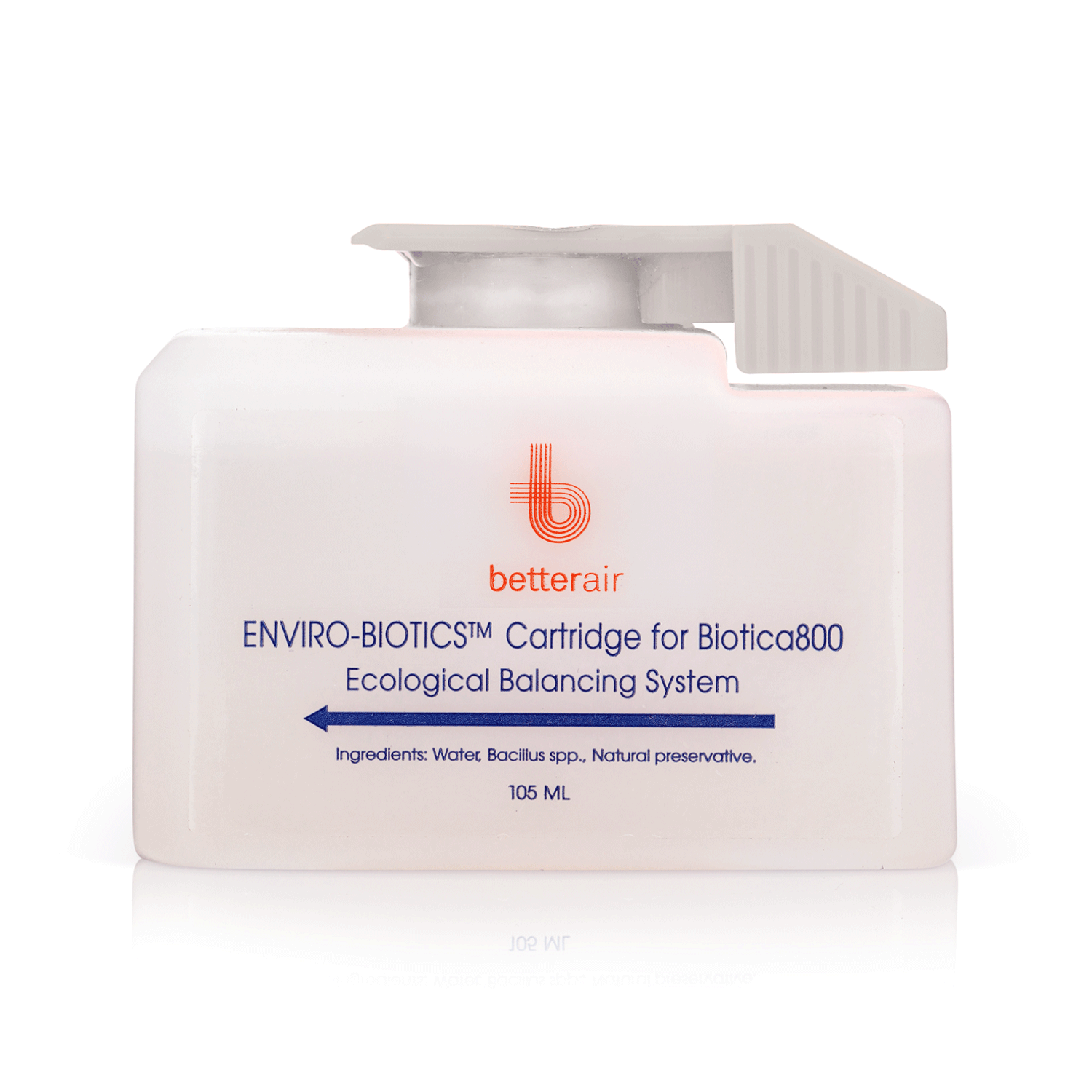
A natural air purifier, by contrast, does not add anything fragrant to your air. It removes the source of bad smells. This can happen in several ways. A HEPA filter captures particles that carry odors. A carbon filter adsorbs the volatile organic compounds that create smells. A dehumidifier removes the moisture that mold needs to grow and produce musty odors. A probiotic air purifier releases beneficial bacteria that digest the organic matter causing the smell. None of these methods rely on fragrance. When the problem is solved, the air smells like nothing. That is the goal. Neutral air. Air that does not announce itself. The absence of bad smells and the absence of added fragrance is what genuinely clean air smells like. If your home smells like a tropical island or a meadow of flowers, you are not breathing clean air. You are breathing perfume.
The Problem of Odor Masking
Odor masking is not just ineffective. It can be actively harmful because it delays real solutions. You notice a musty smell in your basement. Instead of investigating the moisture source, you plug in a scented oil diffuser. The smell disappears from your awareness, but the mold continues to grow. Months later, you have a much larger mold problem than you would have had if you had addressed it immediately. The air freshener did not solve anything. It just postponed the day of reckoning. The same applies to pet odors, garbage smells, and bathroom mustiness. If you mask the odor instead of removing the source, the source gets worse over time. A natural air purifier forces you to confront the problem because it does not cover it up. You notice the smell, you find the source, you fix it. That is how healthy homes stay healthy.

Real Costs of Air Fresheners
Beyond the health concerns, air fresheners have real financial costs. A typical plug-in refill costs five to ten dollars and lasts a month. A spray can costs three to five dollars and lasts a week or two. Over a year, a household using multiple air fresheners can spend one hundred to three hundred dollars on fragrance. That money could buy a HEPA air purifier, a probiotic air purifier, or a dehumidifier. Those devices will last for years and actually solve the problems that air fresheners only mask. You are paying a recurring fee for temporary relief from a problem that never goes away. A natural air purifier is a one-time investment with occasional consumable costs. Over two or three years, the air freshener user spends more money for less benefit. The math favors the purifier.
When to Use Natural Fragrance
This is not to say that all fragrance is bad. Burning natural incense, simmering cinnamon and orange peels on the stove, or using a diffuser with pure essential oils can create a pleasant atmosphere without the hidden chemicals of commercial air fresheners. The difference is intention. You are adding fragrance for enjoyment, not to mask a problem. If your home smells bad, adding fragrance is a distraction. Fix the problem first. Then, if you want your home to smell like lavender or sandalwood, add natural fragrance from a source you trust. But never use fragrance as a substitute for cleaning. The two are not equivalent. One addresses the cause. The other addresses your perception of the cause.
A Simple Test for Your Home
Here is a simple test to determine whether you are solving problems or hiding them. Turn off all air fresheners for one week. Open your windows for ten minutes each morning. Do not add any fragrance to your home. After a week, walk through each room and take a deep breath. What do you smell? If you smell nothing, congratulations. Your home is genuinely clean and your air quality is good. If you smell mustiness, mildew, garbage, or pet odors, you have work to do. Those smells are signals. Investigate each one. Find the source. Clean it, dry it, or remove it. Only when the smells are gone without fragrance should you consider adding scent for enjoyment. Natural air purifiers and air fresheners operate on completely different principles. One is healthcare for your home. The other is cosmetics. Choose based on whether you want to be healthy or just smell like you are.
Comments (0)