


If you have been researching indoor air quality solutions, you have probably encountered two very different technologies. One is the EnviroBiotics probiotic air purifier, which releases beneficial bacteria to outcompete mold and break down allergens. The other is the air scrubber, a device often used in mold remediation and construction that physically removes particles from the air using high-powered filtration. At first glance, they seem to serve similar purposes. Both claim to improve air quality. Both are used in homes and commercial buildings. But the similarities end there. EnviroBiotics and air scrubbers operate on completely different principles, address different problems, and are suited for different situations. Understanding the difference will save you money and frustration by ensuring you buy the right tool for your specific issue.
How Air Scrubbers Actually Work
An air scrubber is essentially a very powerful, industrial-grade air purifier. It uses a multi-stage filtration system, typically a pre-filter, a HEPA filter, and sometimes a carbon filter, to remove particles from the air. Air scrubbers are designed to move large volumes of air, often five hundred to two thousand cubic feet per minute. They are commonly used during mold remediation, construction, or after a fire or flood to capture airborne dust, spores, and debris. Air scrubbers create negative air pressure in a room, pulling contaminated air through the filter and exhausting clean air. They do not kill mold or bacteria. They do not prevent regrowth. They simply capture whatever is already floating in the air. Once the air scrubber is turned off, new particles can settle, and mold spores will continue to germinate on surfaces if moisture is present. Air scrubbers are powerful tools for short-term, high-contamination situations, not for ongoing, daily air quality management.
How EnviroBiotics Takes a Different Approach
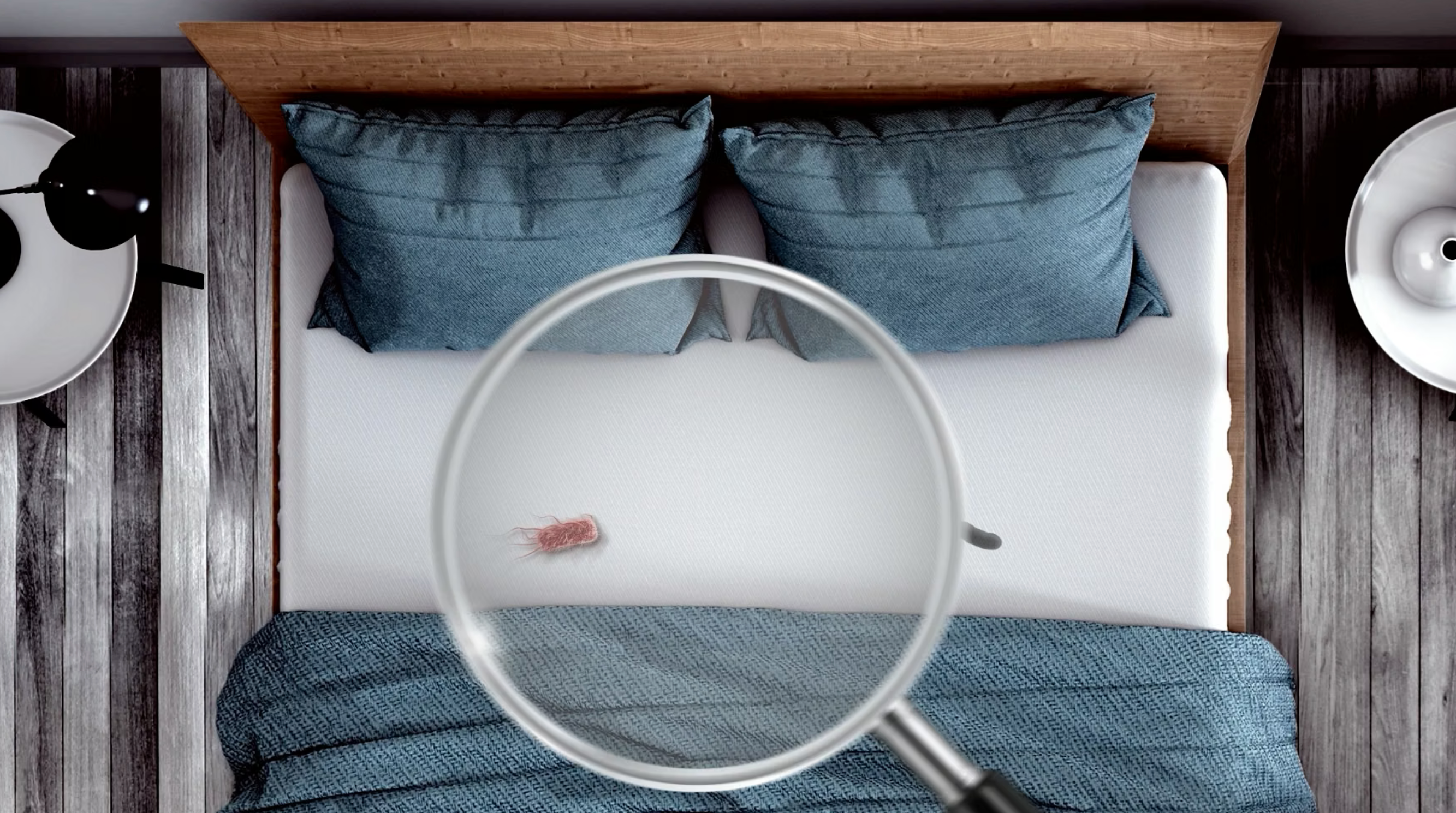
EnviroBiotics probiotic air purifiers do not capture particles at all. Instead, they release beneficial Bacillus spores into the room. These spores settle onto every surface, including walls, floors, furniture, and even inside HVAC ducts. When conditions are even slightly damp, the spores germinate and establish colonies. These probiotic bacteria consume the organic matter that mold and dust mites need to survive. They break down the biofilm that anchors mold to surfaces. They physically occupy space so that when a mold spore lands, it finds no vacancy. EnviroBiotics does not clean the air of particles. It changes the ecology of your surfaces so that fewer particles are produced in the first place. Think of an air scrubber as an emergency room that treats symptoms after they appear. Think of EnviroBiotics as a preventive medicine that keeps you from getting sick in the first place.
The Problem Air Scrubbers Solve
Air scrubbers excel at specific, short-term problems. If you have just had mold remediation, an air scrubber can capture the spores released during cleaning. If you are remodeling and creating drywall dust, an air scrubber can keep that dust from spreading to the rest of your home. If you have a flooded basement, an air scrubber can remove mold spores from the air while you address the water damage. Air scrubbers are also used in medical facilities during construction to protect patients from airborne pathogens. For these situations, nothing beats a high-powered HEPA air scrubber. The key is that these are temporary situations. You run the air scrubber during the event and for a short period afterward, then you store it until the next emergency. Air scrubbers are not designed for continuous, everyday use. They are loud, energy-intensive, and their filters need frequent replacement when run constantly.
The Problem EnviroBiotics Solves
EnviroBiotics addresses a different set of problems. Persistent musty smells that return after cleaning. Bathroom mold that keeps growing back no matter how often you scrub. Allergy symptoms that never fully go away because dust mite droppings and pet dander accumulate on surfaces. These are chronic, ongoing issues that require a continuous solution. An air scrubber would capture some of the airborne particles temporarily, but as soon as you turned it off, the surface reservoirs would release new particles, and the mold would regrow. EnviroBiotics works continuously, establishing beneficial colonies that prevent regrowth. Over time, the surface reservoirs shrink because the probiotics digest the organic matter that feeds the problem. The musty smell fades because the mold is no longer growing. Allergy symptoms improve because there are fewer allergens to become airborne. EnviroBiotics is not a temporary fix. It is a long-term shift in your home’s ecology.

Can You Use Both Together
Yes, and in some situations, using both makes perfect sense. Imagine you have discovered a mold problem in your basement. First, you fix the moisture source. Next, you physically clean the visible mold. During and immediately after cleaning, you run an air scrubber to capture the spores that become airborne. This prevents them from spreading to other parts of your home. Once the active cleanup is complete, you turn off the air scrubber and start an EnviroBiotics probiotic air purifier in the basement. The probiotics establish colonies on the now-clean surfaces, preventing mold from regrowing. The air scrubber handled the acute, short-term contamination. The EnviroBiotics handles the chronic, long-term prevention. They are not competitors. They are partners at different stages of the same process.
Cost and Practical Differences
Air scrubbers are expensive. A good quality unit costs five hundred to two thousand dollars, and replacement HEPA filters add another one hundred to three hundred dollars each. They are large, often the size of a suitcase, and heavy. They are also loud, typically sixty to seventy decibels, which is like a vacuum cleaner running constantly. You would not want an air scrubber running in your bedroom while you sleep. EnviroBiotics units are smaller, quieter, and cheaper. The BioLogic Mini is under one hundred dollars. The E-Biotic Pro is around two hundred fifty dollars. They are quiet enough for a nursery. They consume very little electricity. They have no filters to replace, only probiotic cartridges every two to three months. For daily, continuous use, EnviroBiotics is far more practical and cost-effective. For short-term emergencies, an air scrubber is the right tool. Choose based on your primary problem, not on which technology sounds more advanced.
Comments (0)