


Unlike backup power that only springs into action during outages, continuous energy storage works around the clock, quietly optimizing every aspect of your home’s relationship with electricity. A residential 16kWh battery system designed for continuous operation doesn’t just sit there waiting for an emergency. It charges when energy is cheap or abundant, discharges when energy is expensive or scarce, and seamlessly manages the flow of power from your solar panels, the grid, and your home’s loads. This continuous cycling—often multiple partial cycles per day—demands a different kind of battery than one designed solely for occasional backup. It needs higher cycle life, more sophisticated thermal management, and smarter software. For homeowners who want to truly maximize their solar investment and minimize their electric bills, a continuous duty 16kWh battery is the answer. Let’s explore how these systems work differently from standard backup batteries and why that matters for your daily life.
Daily Cycling vs Occasional Backup
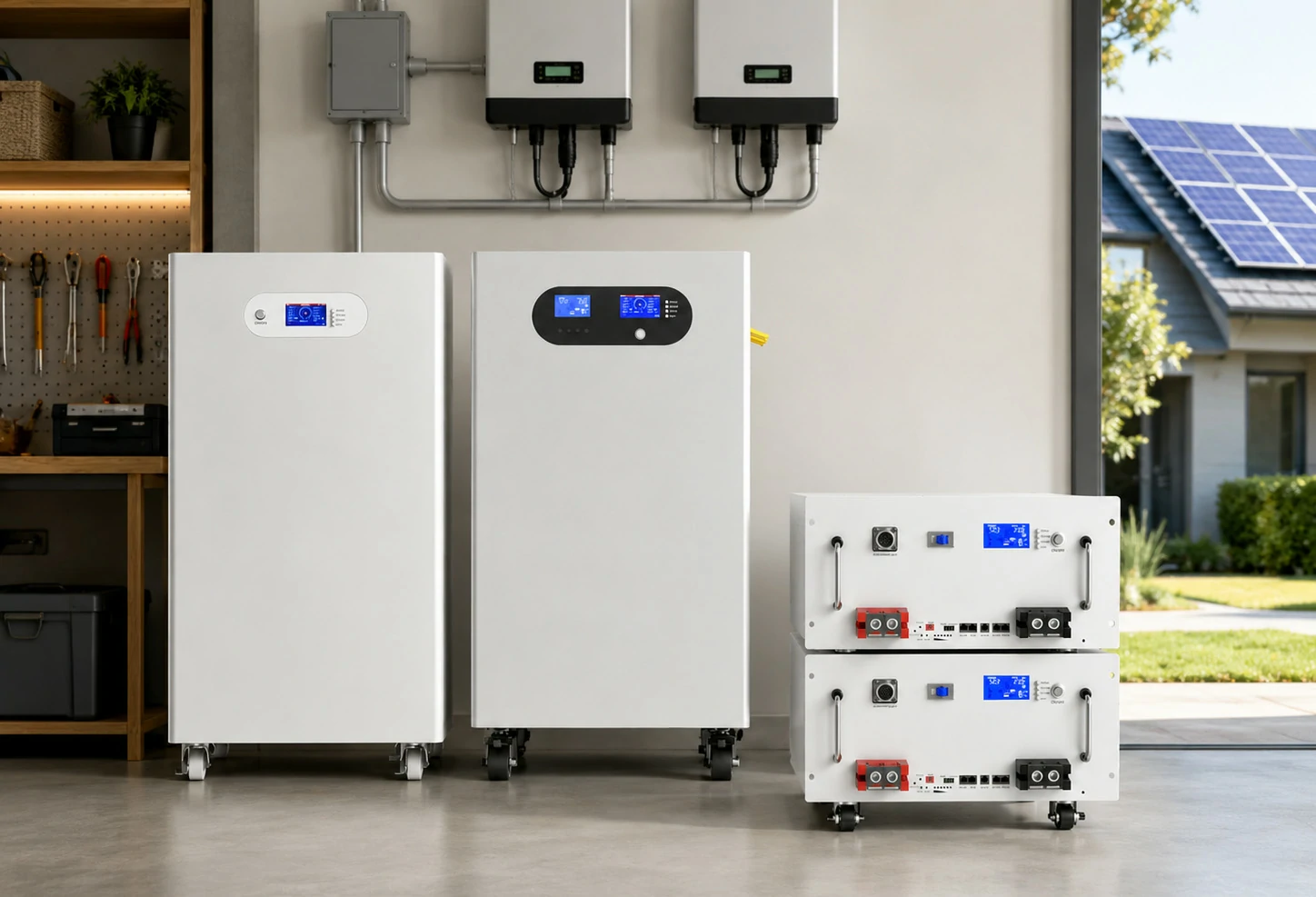
The most important distinction between a backup battery and a continuous storage battery is how often it cycles. A backup battery might cycle fully only a few times per year during actual outages. A continuous storage battery cycles daily, sometimes multiple times per day. This constant use means that cycle life isn’t just a number on a spec sheet—it’s the actual lifespan of your investment. A battery rated for 3,000 cycles used daily will last about eight years. A battery rated for 8,000 cycles used daily will last over twenty years. For continuous energy storage, you need the higher cycle life. Premium residential 16kWh systems from manufacturers like SimpliPHI, Fortress Power, and Pylontech are specifically engineered for daily cycling, with cycle life ratings of 8,000 to 10,000 cycles at 80% depth of discharge. Some of the newest models claim 12,000 cycles. That’s over thirty years of daily use, which comfortably outlasts even the longest solar panel warranty. When shopping for a continuous storage battery, ignore any model with a cycle life below 6,000 cycles. It simply won’t hold up to daily use.
Time of Use Optimization
The financial heart of continuous energy storage is time of use optimization. Most utilities charge different rates at different times of day. Evening hours when everyone is home and using power are typically the most expensive. Late night and early morning hours are usually the cheapest. A residential 16kWh battery running in continuous mode learns your utility’s rate schedule or lets you program it manually. During cheap overnight hours, the battery charges from the grid. When expensive evening hours arrive, the battery seamlessly takes over powering your home. You use the same amount of electricity, but you pay the overnight rate for most of it rather than the peak rate. The savings can be substantial. If your peak rate is 0.30perkilowatthourandyourovernightrateis0.30perkilowatthourandyourovernightrateis0.10, shifting 12 kilowatt hours per day saves you 2.40daily,or2.40daily,or876 annually. Over ten years, that’s nearly $9,000 in avoided electricity costs. And that’s without any solar panels at all. Add solar, and the savings grow further because you’re also capturing free energy from the sun. Continuous storage turns your battery from an insurance policy into a revenue generating asset.
Solar Self Consumption Maximization
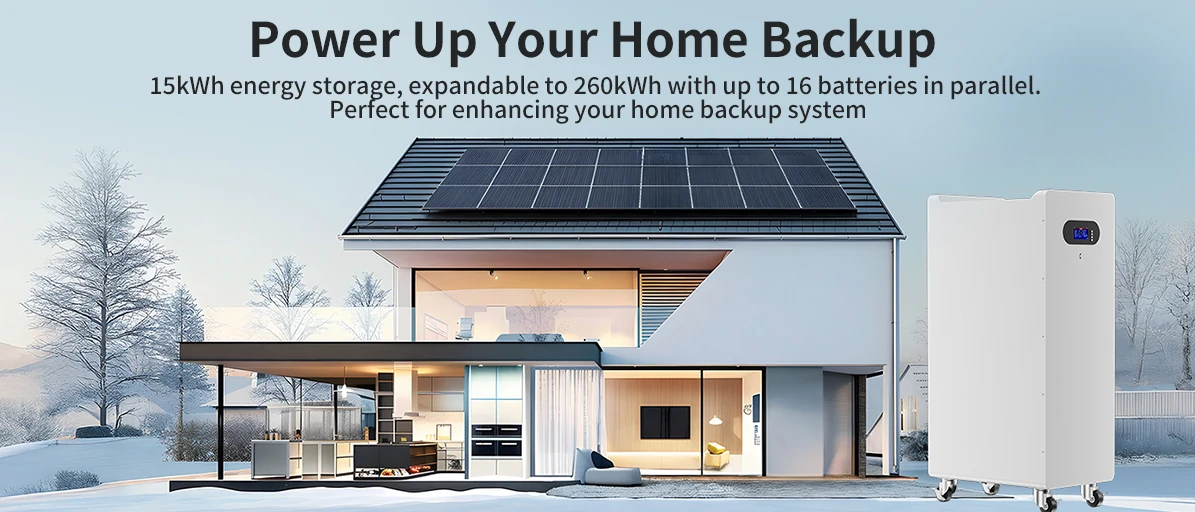
For homeowners with solar panels, continuous energy storage solves the classic problem of mismatched timing. Your solar panels produce the most power in the middle of the day, but your home uses the most power in the morning and evening. Without a battery, you export that midday solar energy to the grid for pennies and then buy it back in the evening for dollars. With a continuous 16kWh battery, you store that midday solar energy and use it yourself in the evening. This is called self consumption, and it’s the most financially efficient way to use solar power. A continuous storage battery is smart enough to know that it should charge from solar first before ever considering grid charging. It watches your solar production and home consumption in real time. When solar exceeds home use, the excess goes to the battery. When home use exceeds solar, the battery makes up the difference. The goal is to draw as little grid power as possible, ideally zero during peak rate hours. A 16kwh battery is well sized for this task because it can store several hours of excess solar production and then discharge over the evening peak. For homes with moderate energy use, continuous storage can push solar self consumption from 30% without a battery to 80% or more with a battery.
Peak Shaving for Demand Charge Avoidance
While most homeowners pay for electricity by the kilowatt hour, some commercial and even some residential customers face demand charges based on their highest instantaneous power draw during the month. If you have a large air conditioner, an electric vehicle charger, or a workshop full of power tools, your peak demand might be quite high. Continuous 16kWh battery systems can perform peak shaving, where they provide extra power during brief high demand events so your draw from the grid never crosses a certain threshold. The battery management system watches your home’s power draw second by second. When you turn on the table saw and the dust collector simultaneously, the battery instantly supplies the difference, keeping your grid draw flat. Over a month, avoiding a single high demand spike can save hundreds of dollars in demand charges. Some utilities are now introducing residential demand charges specifically to encourage battery adoption. For homeowners in these rate structures, continuous storage with peak shaving capability isn’t optional—it’s the only way to keep bills manageable. When evaluating batteries for this application, pay close attention to peak power output ratings. You need a battery that can deliver high current instantly, often 10 kilowatts or more for just a few seconds.
Smoothing Solar Intermittency
Solar power is wonderful, but it’s not consistent. Clouds pass overhead, trees cast shadows, and the sun’s angle changes throughout the day. These fluctuations, called intermittency, can be annoying for your appliances and hard on your inverter. A continuous 16kWh battery acts as a shock absorber for these fluctuations. When a cloud passes and solar production drops from 5,000 watts to 500 watts in a few seconds, the battery instantly makes up the difference so your home never notices. When the cloud passes and production jumps back up, the battery reduces its discharge or starts charging again. This smoothing effect protects sensitive electronics from voltage fluctuations and reduces wear on your inverter. It also makes your home more resilient. On partly cloudy days when a standard solar system might produce a choppy, frustrating power supply, a continuous storage system produces perfectly stable, reliable power. Some premium batteries offer what’s called “PV smoothing” as a dedicated feature, with settings that let you adjust how aggressively the battery responds to solar fluctuations.
Low Voltage Ride Through and Grid Support
Beyond the walls of your home, continuous 16kWh battery systems can also support the broader grid. A feature called low voltage ride through allows the battery to stay connected during brief grid disturbances rather than disconnecting immediately. When a tree branch touches a power line and voltage dips for a few cycles, most backup batteries would disconnect to protect themselves. A continuous storage battery with low voltage ride through keeps running, riding through the disturbance, and supporting your home’s power without interruption. This is especially valuable in areas with frequent momentary outages or “flickers.” Some utilities offer incentives for batteries that can provide grid support services—absorbing excess power when grid frequency is too high and injecting power when frequency is too low. Your continuous storage battery does this automatically, and you get paid for the service. These payments, called grid service revenues, can offset a significant portion of your battery’s cost. Not all batteries are certified for grid support, so if this interests you, look for models that are UL 1741 SA certified or meet IEEE 1547 standards for grid interconnection. Your utility may have a specific list of approved equipment.
Comments (0)