


With over a hundred episodes and millions of listeners, the Huberman Lab podcast has become an essential resource for anyone interested in applying neuroscience to daily life. But for a new listener, the back catalog can feel overwhelming. Where do you start if you want to think more clearly, remember more effectively, and protect your brain as you age? Andrew Huberman has covered cognitive enhancement from nearly every angle, but certain episodes stand out as foundational. These are the episodes where he synthesizes decades of research into practical protocols that you can use immediately. This guide highlights the best episodes for improving focus, learning speed, memory, and mental energy—without the fluff or pseudoscience that plagues so much brain-training advice.
The Focus Toolkit Episode for Attention Control
One of the most frequently recommended starting points is the episode titled “Focus Toolkit: Tools to Improve Your Focus, Concentration, and Attention.” In this episode, Huberman breaks down the biology of attention into three distinct neural circuits, each requiring a different tool. He explains why the ability to focus is not a single skill but rather the ability to disengage from distractions, maintain alertness, and then narrowly direct attention to a specific target. The practical tools include the ten-minute focus warm-up, the use of white and brown noise for different attention states, and the surprising role of blinking in resetting attentional resources. Listeners report that after implementing just two of these tools, their ability to concentrate for extended periods improves noticeably within one week. This episode is ideal for students, knowledge workers, and anyone who struggles with constant task-switching.
The Learning and Neuroplasticity Episode for Skill Acquisition
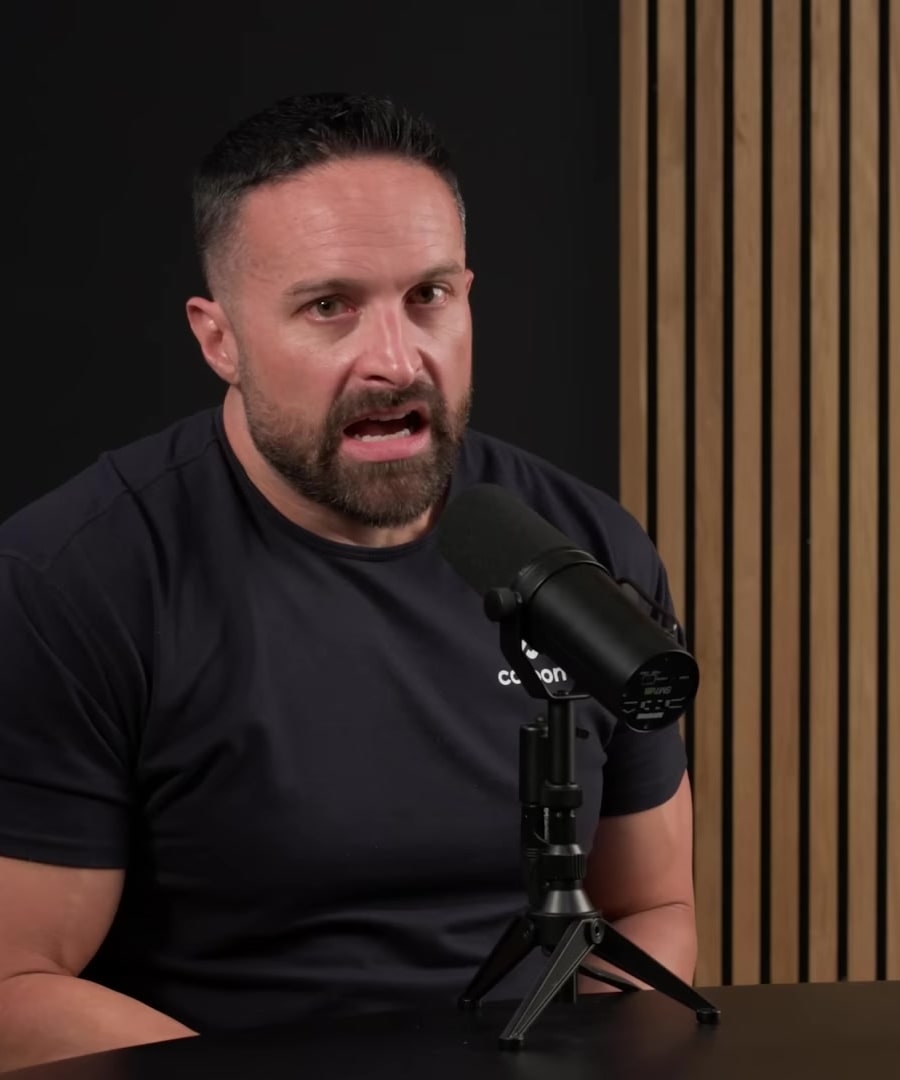
For those looking to learn new skills faster, Andrew Huberman episode “Understand and Improve Learning and Neuroplasticity” is essential listening. He explains the two-phase model of plasticity—the alert phase during practice and the consolidation phase during rest and sleep—and why most people interrupt both phases with bad habits. The episode includes a detailed breakdown of the optimal practice session length based on ultradian rhythms, the fifteen percent error rate for maximum learning, and the specific role of visual saccades in encoding new information. Huberman also introduces the concept of the “learning window,” the critical period after a practice session when your brain is most receptive to consolidation. This episode has been particularly popular among musicians, athletes, and language learners who found that changing when and how they practice doubled their rate of progress without increasing total practice time.
The Optimal Sleep Episode for Memory Consolidation
Cognitive enhancement is impossible without sleep, and Huberman’s episode “Sleep Protocols for Brain Health and Memory” is widely considered one of his most valuable. He explains how different sleep stages serve different cognitive functions: slow-wave sleep consolidates factual information and motor skills, while REM sleep integrates emotional memories and fosters creative problem-solving. The episode provides specific protocols for timing your sleep to maximize memory retention after a study session, using temperature manipulation to trigger sleep onset, and the surprising finding that a short nap before learning can be as effective as a full night of sleep for certain types of memory. Listeners often describe this episode as life-changing because it replaces vague sleep advice with actionable steps like the ninety-minute pre-sleep cooling protocol and the non-sleep deep rest technique for daytime recovery.
The Dopamine Episode for Motivation and Drive
Motivation is the engine of cognitive performance, and Huberman’s episode “Controlling Your Dopamine for Motivation, Focus, and Satisfaction” has become a fan favorite. He explains the critical difference between baseline dopamine and peak dopamine, why chasing constant peaks leads to crashes and burnout, and how to use intermittent reward scheduling to maintain high motivation over months and years. The episode includes a breakdown of the dopamine fast—not avoiding all pleasure, but strategically reducing high-intensity, unpredictable rewards like social media scrolling and video games. Huberman also discusses the anterior mid-cingulate cortex, the brain region that grows when you do things you do not want to do, and why building this “motivation muscle” is the most reliable path to sustained drive. Entrepreneurs, artists, and anyone who has struggled with procrastination consistently rate this episode as transformative.
The ADHD and Executive Function Episode for Focus Challenges
For those who suspect they have attention deficit traits or have been formally diagnosed with ADHD, Huberman’s episode “ADHD and How Anyone Can Improve Their Focus” offers a compassionate yet science-grounded approach. He distinguishes between the neurobiology of ADHD—characterized by low baseline dopamine and impaired executive function—and simple lack of discipline. The episode provides specific tools for managing the ADHD brain, including the use of body doubling, external accountability systems, and the strategic use of caffeine to modulate rather than spike dopamine. Huberman also discusses the role of omega-3 fatty acids, specifically the EPA form, in supporting dopamine receptor density. Perhaps most importantly, he offers a framework for distinguishing between times when medication is appropriate and times when behavioral tools alone can suffice. This episode has been praised by clinicians and patients alike for its balanced, non-stigmatizing approach.

The Optimizing Workspace Episode for Environmental Design
Cognitive performance does not happen in a vacuum. Huberman’s episode “Optimizing Your Workspace for Focus and Productivity” examines how lighting, temperature, and sound affect brain states. He explains why overhead fluorescent lights increase cortisol and fragment attention, while desk lamps with warm bulbs placed at or below eye level support deep focus. The episode includes research on the optimal room temperature for cognitive work, typically between sixty-seven and seventy-one degrees Fahrenheit, and the use of binaural beats versus white noise for different task demands. Huberman also discusses the position of your screen relative to your gaze—slightly below eye level to reduce eye strain and promote a calm alert state—and the importance of having a visual anchor point in your peripheral vision. Office workers and remote professionals who have redesigned their workspaces based on this episode report reduced afternoon fatigue and fewer headaches.
The Intermittent Fasting and Brain Function Episode
Finally, the episode “Intermittent Fasting and Cognitive Performance” addresses one of the most common questions Huberman receives. He explains how fasting periods influence brain-derived neurotrophic factor, a protein that supports neuron survival and cognitive flexibility. The episode distinguishes between time-restricted feeding, prolonged fasts, and the ketogenic state, each of which has different effects on focus, memory, and mental energy. Huberman provides a protocol for using fasting to enhance mental clarity during the morning hours without sacrificing afternoon cognitive performance. He also warns against common mistakes, such as breaking a fast with high-carbohydrate meals that cause blood sugar swings and attention crashes. This episode is particularly valuable for people who have experimented with fasting without understanding how timing and food composition affect brain function. The practical takeaway is that the cognitive benefits of fasting depend entirely on what, when, and how you eat when the fast ends.
Comments (0)