


So you have decided to Mount Rinjani Climbing. That is a fantastic decision, but let me stop you right there. Before you book anything or pack a single sock, you need a solid plan. This is not a casual day hike where you can show up with sneakers and a bottle of water. Rinjani demands respect, preparation, and a clear understanding of what you are getting into. The good news is that thousands of people successfully climb this volcano every year, and you can too. The difference between a triumphant summit sunrise and a miserable turning back usually comes down to three things: choosing the right route, following proven tips, and preparing your body and gear properly. This guide gives you all three, drawn from watching countless trekkers succeed and fail on these slopes.
Choosing the Right Route for Your Goals
Rinjani offers two main starting points, and your choice dramatically affects your experience. The Sembalun route begins at 1,150 meters and features a long, gradual climb through open savanna grasslands before the real ascent begins. This path is longer but less steep, making it the preferred choice for the summit attempt. The terrain is exposed, so sun protection is essential. The Senaru route starts at 600 meters and immediately throws you into dense tropical jungle with far steeper inclines and slippery roots. Most climbers use Senaru for the descent rather than the ascent, as the jungle can be brutally humid and challenging on the way up. Many of the best itineraries start at Sembalun and end at Senaru, giving you the best of both worlds. You get the gradual approach for the summit push, then the shady jungle descent that is easier on your knees. Local guides often say Sembalun tests your endurance while Senaru tests your knees. Plan accordingly.
Essential Tips for Summit Success
The summit push separates those who prepared from those who only hoped. Start hydrating aggressively two days before your trek, not just on the mountain. Dehydration is the number one reason trekkers fail the summit attempt. On summit night, wear every layer you packed. The temperature at the rim can drop near freezing, and the wind makes it feel even colder. Eat something small every hour during the climb—a handful of nuts, a piece of bread, half an energy bar. Your body needs constant fuel. Set a steady, sustainable pace and stick to it. Do not try to keep up with faster climbers; that is how you burn out before the top. Take short breaks of one minute or less. Longer breaks let your muscles cool down and seize up. Use the rest step technique: lock your back knee straight between steps to let your skeleton support your weight instead of your muscles. And perhaps most importantly, listen to your body. If you develop a severe headache, nausea, or extreme dizziness, turn back. The summit is not worth permanent damage.
Physical Preparation That Actually Works
Let me be brutally honest about fitness. Rinjani will find every weakness in your preparation, and it will exploit those weaknesses without mercy. Start training at least eight weeks before your departure. The single most effective exercise is stair climbing with a weighted backpack. Find a stadium, a tall parking garage, or even a flight of stairs in your office building. Climb up, walk down, repeat. Aim for one hour of continuous climbing, three times per week. Add lunges and squats to strengthen your quads for the brutal downhill sections, which actually injure more people than the uphill. Practice hiking on consecutive weekends to simulate the cumulative fatigue of a multi-day trek. If you live in a flat area, use a stair machine at the gym or find a steep hill to repeat. Cardiovascular fitness matters, but specific leg strength for steep, unstable terrain matters more. Arrive in Lombok already fit, and use the day before your trek for rest and hydration, not last-minute training. Your future self on the summit scree will thank you.
Packing the Essentials, Leaving the Rest
Packing for Rinjani requires discipline and a clear understanding of what you actually need. Start with proper hiking boots that are already broken in—this is absolutely non-negotiable. The volcanic scree will destroy cheap footwear and roll your ankles. Pack layers: a moisture-wicking base layer, a fleece or light puffy jacket for cold summit mornings, and a waterproof shell for unexpected rain. Your headlamp with fresh batteries and a backup set is essential for the pre-dawn summit push. Trekking poles save your knees on the descent; rent them if you do not own them. Bring a reusable water bottle or hydration bladder with at least two-liter capacity. Pack blister plasters already opened and ready to use, pain relievers, and any personal medications. Leave behind jeans, cotton shirts, heavy books, and anything you would be sad to lose. Your porter carries the bulk of your gear, but you still carry a day pack with water, snacks, rain gear, and your camera. Keep your day pack weight under five kilograms. Every extra gram slows you down when you need speed most.
Managing Altitude and Health Risks
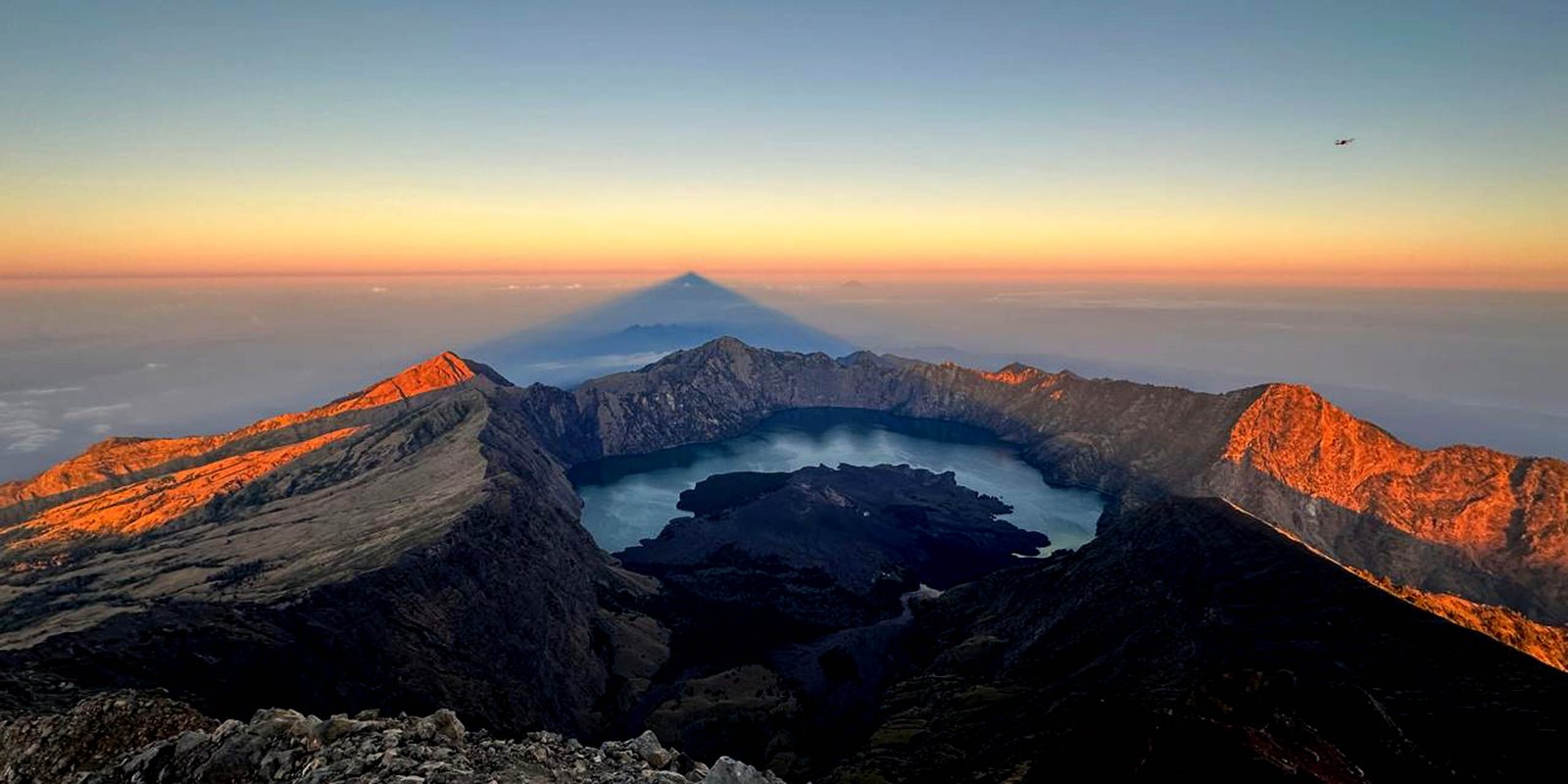
Rinjani’s summit sits at 3,726 meters, which puts you firmly in the altitude danger zone for many people. Acute Mountain Sickness does not care how fit you are. It can hit anyone, regardless of age, gender, or fitness level. Symptoms include headache, nausea, dizziness, loss of appetite, unusual fatigue, and difficulty sleeping. The only real cure is descending. Smart climbers choose three-day or four-day itineraries specifically to allow gradual acclimatization. Avoid alcohol completely for at least two days before the climb and during the entire trek. Drink three to four liters of water daily on the mountain—dehydration makes altitude symptoms significantly worse. Some trekkers bring Diamox, a prescription medication that helps prevent and treat altitude sickness, but you need to get it from your doctor before traveling. Listen to your guide if they suggest turning back. They have seen altitude sickness countless times and know the warning signs. One climber I met ignored his mild headache, and by the next morning he could not stand up straight. Do not be that person. The summit is not worth your health.

Understanding the Daily Rhythm
Knowing what each day feels like helps you prepare mentally and emotionally for the challenge ahead. On day one of a typical three-day trek, you start around 8 AM from Sembalun. The first few hours climb gently through savanna, a pleasant warm-up. After lunch, the terrain turns steep and loose. You reach the crater rim campsite by late afternoon, set up camp, watch the sunset over the caldera, and sleep by 7 PM. Day two brings the 2 AM wake-up call. The summit push takes about three hours, reaching the peak around 5 AM for sunrise. You descend back to the rim for breakfast, then continue down to the lake for camping and hot springs. Day three is all descent through jungle, finishing by mid-afternoon. The rhythm is simple: climb, eat, sleep, repeat. But the emotional arc matters. Day one brings excitement and novelty. Day two brings struggle, suffering, and eventual triumph. Day three brings relief, reflection, and a strange sadness that it is already over. Knowing this pattern helps you pace yourself and avoid burning out on the first day. Save your energy for the summit push. That is where the mountain truly tests you.
Respecting the Mountain and Its People
Before you go, understand that Rinjani holds deep spiritual meaning for the Sasak people and the Balinese Hindu community living around its slopes. The crater lake, Segara Anak, is considered a holy place where offerings are made and prayers are whispered. You may see small shrines or woven palm leaf offerings along the trail. Treat these with respect. Do not disturb them, and never use the lake water for washing yourself or your dishes. Many guides will pause at certain points to offer a silent prayer or burn incense. You do not need to participate, but standing quietly and showing respect goes a long way. Some climbers rush past these moments, focused only on the summit and their own goals. But taking a breath and acknowledging the mountain’s cultural weight adds a layer of meaning that turns a climb into a true journey. Conquering Rinjani means nothing if you forget the people who have revered it for centuries and the porters who carry your gear so you can focus on your own steps. Trek with humility, and the mountain will reward you. Trek with arrogance, and Rinjani has a way of humbling you fast.
Comments (0)