7 Safe Tips: How to Detox From Contrast Dye
Introduction
Contrast dye is commonly used during CT scans and MRI examinations to help doctors see organs, blood vessels, and other tissues more clearly. After an imaging test, many people wonder how to remove the contrast material from their bodies and whether they need special foods, drinks, or supplements.
Understanding how to detox from contrast dye starts with knowing that most contrast materials are naturally processed or eliminated by the bo... more7 Safe Tips: How to Detox From Contrast Dye
Introduction
Contrast dye is commonly used during CT scans and MRI examinations to help doctors see organs, blood vessels, and other tissues more clearly. After an imaging test, many people wonder how to remove the contrast material from their bodies and whether they need special foods, drinks, or supplements.
Understanding how to detox from contrast dye starts with knowing that most contrast materials are naturally processed or eliminated by the body. For many people, drinking an appropriate amount of water, following medical instructions, and allowing the kidneys or digestive system to do their work are sufficient. Special detox drinks, cleanses, and supplements are generally unnecessary.
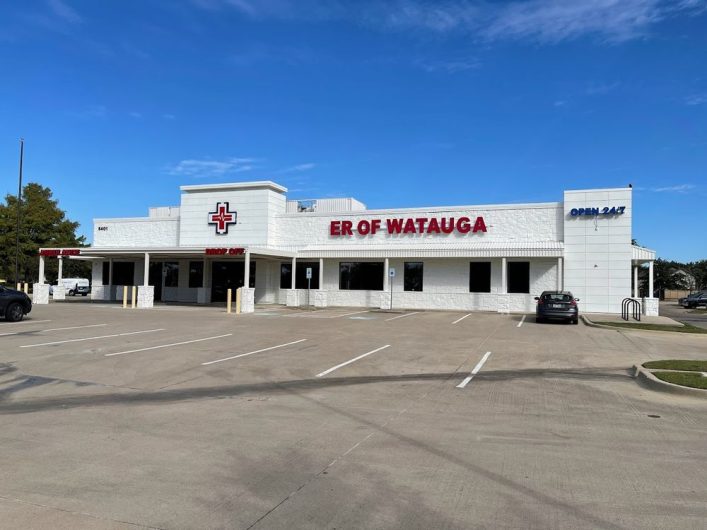
This easy guide from ER of Watauga explains how contrast material leaves the body, which steps may help support normal elimination, and when to seek medical advice after a scan.
What Is Contrast Dye?
Contrast dye, also called contrast material or contrast agent, is a substance used to improve medical imaging. It helps certain parts of the body appear more clearly on scans.
Common types include:
Iodinated contrast: Commonly injected into a vein during a CT scan.
Gadolinium-based contrast: Used during certain MRI examinations.
Barium contrast: Usually swallowed or given rectally for selected digestive tract examinations.
These materials work differently, so the way they leave the body depends on the type used. Intravenous iodinated and gadolinium-based contrast agents are generally eliminated mainly through the kidneys, while barium contrast passes through the digestive tract. Source: RadiologyInfo
7 Safe Ways to Help Your Body Clear Contrast Material
1. Drink Water as Recommended
Drinking enough water is a practical step after many contrast-enhanced scans. Appropriate hydration supports normal kidney function and urine production.
Helpful tips include:
Drink water regularly throughout the day.
Follow the discharge instructions provided by your imaging center.
Return to your usual drinking routine if your healthcare team has not recommended otherwise.
Avoid forcing yourself to drink excessive amounts of water.
Important: If you have kidney disease, heart failure, or a prescribed fluid restriction, ask your healthcare professional how much fluid is appropriate for you.
2. Allow Your Kidneys to Do Their Job
Your kidneys filter the blood and remove many waste products through urine. Most intravenous iodinated contrast is eliminated through the kidneys, and kidney function affects how quickly this happens.
For people with normal kidney function, most iodinated CT contrast is typically cleared within about 24 hours. The timing can vary depending on kidney health and other individual factors.
You do not need to use a detox product to make your kidneys work faster. If you have known kidney disease or concerns about your kidney function, contact your healthcare provider for personalized guidance. Source: National Kidney Foundation
3. Eat Your Usual Balanced Diet
Most people can return to their normal diet after an imaging examination unless they received different instructions.
Consider eating balanced meals that include:
Fresh fruits and vegetables
Whole grains
Eggs, fish, chicken, beans, or other protein sources
Foods that provide healthy fats
These foods support general health, but no particular food has been proven to flush intravenous contrast dye from the body.
4. Avoid Unnecessary Detox Supplements
Detox teas, cleansing products, herbal supplements, and extreme diets are not normally needed after a contrast scan.
Some products can cause diarrhea, dehydration, or interactions with medications. These effects may be particularly concerning for people with kidney problems or other medical conditions.
Before using a supplement intended to cleanse your body, ask a healthcare professional whether it is safe.
5. Resume Normal Activities When You Feel Well
Many people can return to their usual activities shortly after a scan if they have not received sedation and feel comfortable.
Rest if you feel tired, and follow any instructions from your healthcare team. If you received sedating medication, follow the specific restrictions about driving, working, and operating machinery.
Gentle movement and regular daily activities are reasonable when you feel well, but strenuous exercise is not required to eliminate contrast material.
6. Follow Instructions About Your Medicines
Do not stop or change prescribed medicines simply because you received contrast dye.
Some medicines may require special instructions depending on the scan, your kidney function, and your medical history. For example, certain patients taking metformin may receive specific guidance from their healthcare team.
Ask the prescribing clinician or imaging center if you are unsure whether to continue a medicine. Never change your treatment plan based only on online detox advice.
7. Attend Follow-Up Care if Recommended
Most people do not need special treatment after routine contrast administration. However, people with certain kidney conditions or other risk factors may need additional monitoring.
Your healthcare provider may recommend blood tests to check kidney function when clinically appropriate.
Follow-up is particularly important if you have advanced kidney disease, a kidney transplant, or new symptoms after your examination.
How Long Does Contrast Dye Stay in Your Body?
The time needed to eliminate contrast material depends on its type, how it was administered, and your kidney function.
Contrast type
How it leaves the body
Iodinated CT contrast injected into a vein
Mainly through the kidneys and urine
Gadolinium MRI contrast injected into a vein
Mainly through the kidneys and urine
Oral or rectal barium contrast
Through bowel movements
Most intravenous iodinated contrast is cleared within approximately 24 hours in people with normal kidney function. Other contrast agents may have different elimination patterns.
If you have reduced kidney function, contrast material may remain in your body longer. Your healthcare provider can advise you based on your specific circumstances.
Symptoms to Watch for After Contrast Dye
Most people tolerate contrast material well, but side effects or reactions can sometimes occur.
Mild symptoms may include:
Nausea
Headache
Itching or a mild rash
A temporary warm sensation during injection
Contact a healthcare professional if symptoms persist, worsen, or concern you.
Seek emergency medical care immediately if you develop:
Difficulty breathing or wheezing
Swelling of the lips, tongue, face, or throat
Fainting or severe dizziness
A rapidly worsening allergic-type reaction
If you notice substantially reduced urine output or new swelling after a contrast-enhanced scan, seek prompt medical advice, especially if you have kidney disease.
Frequently Asked Questions (FAQs)
1. What is the fastest way to detox from contrast dye?
There is no proven detox treatment that rapidly removes contrast dye. For most people, following medical instructions and maintaining appropriate hydration is sufficient. Your kidneys or digestive system will eliminate the material according to its type.
2. Does drinking lots of water flush out contrast dye?
Drinking adequate water supports normal kidney function, but drinking excessive amounts does not guarantee faster elimination. People with heart failure, kidney disease, or fluid restrictions should follow their healthcare provider's advice.
3. How long does CT contrast dye stay in your body?
Most intravenous iodinated CT contrast is eliminated within about 24 hours in people with normal kidney function. Clearance may take longer in people with impaired kidney function.
Conclusion
Contrast dye helps doctors obtain clearer medical images, making it easier to diagnose and treat many conditions. In most cases, the body removes contrast material naturally without a special detox treatment.
To support normal recovery, drink an appropriate amount of water, eat your usual balanced meals, follow medication instructions, and attend recommended follow-up appointments. Avoid excessive hydration and unproven detox products.
For more blogs visit : https://phat4life.mn.co/posts/essential-tips-for-a-24-7-emergency-room