A Simple Guide How to Detox From Contrast Dye
If you have recently had a CT scan or another imaging test that used contrast material, you may wonder how to detox from contrast dye and how to help your body remove it. In most cases, the body naturally processes and eliminates contrast material, primarily through the kidneys. You usually do not need a special detox, cleanse, or supplement. Drinking an appropriate amount of fluid and following your healthcare provider’s instructions are generally ... moreA Simple Guide How to Detox From Contrast Dye
If you have recently had a CT scan or another imaging test that used contrast material, you may wonder how to detox from contrast dye and how to help your body remove it. In most cases, the body naturally processes and eliminates contrast material, primarily through the kidneys. You usually do not need a special detox, cleanse, or supplement. Drinking an appropriate amount of fluid and following your healthcare provider’s instructions are generally the most important steps.
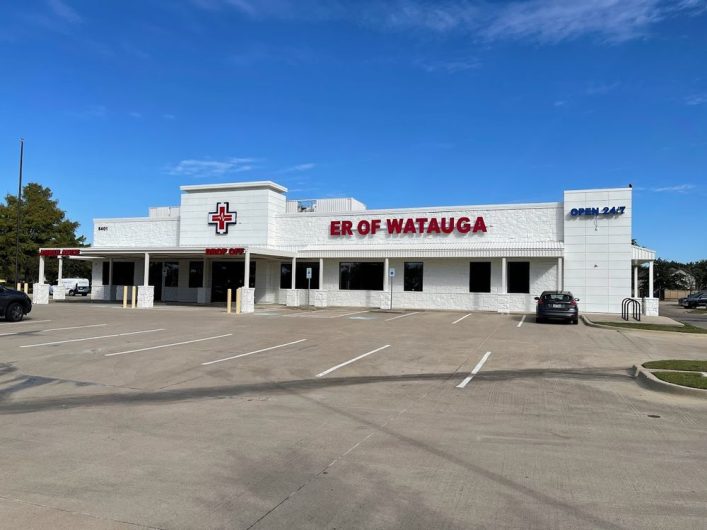
For patients who need urgent evaluation after an imaging procedure, er of Watauga can provide emergency medical care when concerning symptoms occur.
What Is Contrast Dye?
Contrast material, sometimes called contrast dye, is used during certain medical imaging tests to make tissues, blood vessels, and organs easier to see.
Common types include:
Iodinated contrast: Often used during CT scans and some X-ray procedures.
Gadolinium-based contrast: Commonly used for MRI examinations.
Barium: Sometimes used during digestive-system imaging.
Despite the common term “contrast dye,” many contrast agents are not traditional dyes. They are substances designed to improve the visibility of specific structures on medical images.
Does Your Body Need a Detox After Contrast?
For most people, no special detox is necessary.
The body is generally able to remove contrast material naturally. For many commonly used contrast agents, the kidneys play an important role in elimination. The time required depends on the type of contrast, the amount given, kidney function, hydration, and other individual factors.
Instead of trying to “flush out” contrast with extreme methods, focus on normal hydration and follow the instructions provided by your healthcare team.
How to Support Your Body After Contrast
1. Drink Fluids as Normally Recommended
Adequate hydration can support normal kidney function and urine production.
After a contrast-enhanced scan, you may be advised to drink fluids unless you have been told to restrict them.
Good choices can include:
Water
Broth
Milk
Other non-alcoholic beverages
However, more water is not always better. People with certain heart, kidney, or other medical conditions may have fluid restrictions.
2. Continue Your Normal Diet
You generally do not need a special detox diet after receiving contrast.
Unless your healthcare provider gives you different instructions, you can usually return to your normal meals. A balanced diet containing fruits, vegetables, whole grains, protein, and other nutritious foods supports general health.
Avoid relying on “detox” products marketed specifically for removing contrast from the body.
3. Follow Your Medical Team’s Instructions
Your healthcare provider may give you specific instructions based on:
The type of imaging test
The contrast agent used
Your kidney function
Other medical conditions
Medications you take
Whether you received sedation or another treatment
These instructions should take priority over general online advice.
4. Allow Your Body Time
There is no safe home technique that instantly removes contrast from your body.
The kidneys and other normal elimination processes do their job over time. Trying to accelerate the process with excessive fluids, fasting, supplements, or herbal cleanses may not be helpful and could sometimes cause problems.
What Should You Avoid?
If you are concerned about contrast leaving your body, avoid unnecessary “detox” methods.
You generally do not need:
Detox teas
Herbal cleanses
Laxatives
Extreme fasting
Excessive water consumption
Unproven supplements
Sweating or sauna treatments specifically to remove contrast
These approaches have not been established as necessary ways to eliminate routine imaging contrast.
What About Kidney Problems?
Kidney function is an important consideration after certain types of contrast.
People with reduced kidney function may need special instructions before or after contrast administration. Your healthcare provider may review kidney-related blood tests or your medical history before performing certain contrast-enhanced examinations.
If you have known kidney disease, do not deliberately increase your fluid intake without checking with your healthcare professional.
Possible Symptoms After Contrast
Many people experience no significant problems after receiving contrast. However, some people may develop temporary symptoms.
Depending on the contrast agent, possible reactions can include:
Some reactions can occur shortly after administration, while others may appear later.
When to Seek Emergency Medical Care
Seek immediate medical attention if you develop serious symptoms such as:
Difficulty breathing
Swelling of the lips, tongue, or throat
Severe dizziness or fainting
Widespread hives
Severe or rapidly worsening symptoms
Significant reduction in urination
Severe weakness or confusion
If symptoms are severe or appear to be an emergency, contact emergency services or go to an emergency department such as er of Watauga.
Can You Exercise After Contrast?
For many people, normal daily activity is fine after an imaging procedure. However, whether you should exercise immediately depends on the type of examination, your overall health, and any additional procedures you received.
If you feel dizzy, weak, nauseated, or unwell, rest and follow your healthcare provider’s advice rather than exercising.
How Long Does Contrast Stay in the Body?
The answer depends on the specific contrast material and your kidney function.
Many commonly used contrast agents are eliminated primarily through the kidneys. People with normal kidney function generally clear these substances efficiently. Those with impaired kidney function may eliminate certain agents more slowly.
Because clearance varies from person to person, there is no single number of hours that applies to everyone.
Simple Steps to Remember
If you are wondering what to do after contrast, remember these basic points:
Follow your healthcare provider’s instructions.
Drink fluids normally if you are allowed to do so.
Continue a balanced diet.
Take prescribed medications as directed.
Avoid unnecessary detox products.
Watch for unusual or serious symptoms.
Seek medical attention when concerning symptoms develop.
FAQs About Contrast Dye
Can I drink water after a CT scan with contrast?
Usually, drinking water is fine and may help maintain normal hydration. However, people with fluid restrictions should follow their healthcare provider’s instructions.
Does lemon water remove contrast dye?
There is no established evidence that lemon water specifically removes contrast material faster. It can contribute to your normal fluid intake if you enjoy it and have no dietary restrictions.
Can I use a detox tea after contrast?
A detox tea is generally not necessary. Some products can contain ingredients that cause dehydration or interact with medications. It is better to follow your healthcare provider’s recommendations.
Final Takeaway
The best approach is usually not a complicated detox. Your body is designed to process and eliminate contrast material, with the kidneys playing an important role for many commonly used agents. Normal hydration, following medical instructions, and monitoring for unusual symptoms are more appropriate than extreme detox methods.
For more blogs visit : http://blogs.bangboxonline.com/posts/when-to-get-immediate-medical-care-247-emergency-room