Powerful Guide: 7 Easy Ways to Get Rid of CT Contrast
Introduction
If you recently had a CT scan with contrast, you may wonder how quickly the contrast leaves your body and whether you need to do anything to remove it. The good news is that, for most people, the body naturally eliminates CT contrast without special treatment. how to get rid of contrast after ct scan is therefore mainly a question of supporting normal hydration and following your healthcare provider's instructions.
For an intr... morePowerful Guide: 7 Easy Ways to Get Rid of CT Contrast
Introduction
If you recently had a CT scan with contrast, you may wonder how quickly the contrast leaves your body and whether you need to do anything to remove it. The good news is that, for most people, the body naturally eliminates CT contrast without special treatment. how to get rid of contrast after ct scan is therefore mainly a question of supporting normal hydration and following your healthcare provider's instructions.
For an intravenous CT scan, iodine-based contrast is commonly eliminated through the kidneys and urine. Oral contrast, such as barium, is generally passed through the digestive tract and leaves the body in bowel movements.
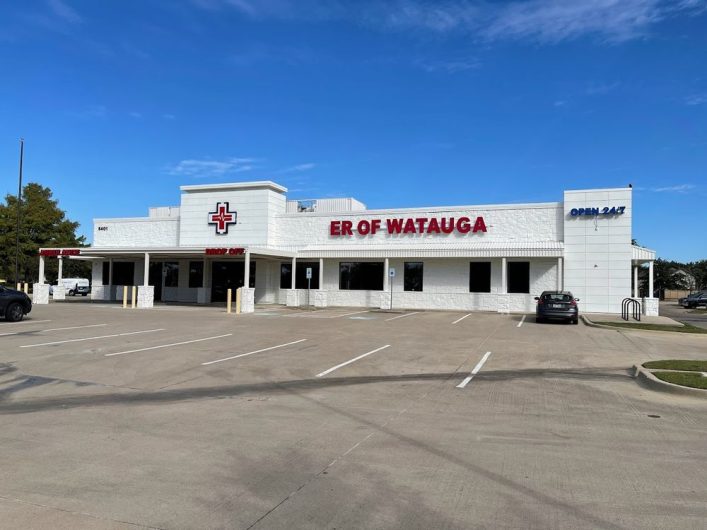
A trusted local emergency-care option such as ER of Watauga can also provide medical evaluation if concerning symptoms develop after an imaging procedure.
What Happens to Contrast After a CT Scan?
Contrast material is used to make certain tissues, organs, and blood vessels easier to see on CT images. It is not a permanent dye and does not remain in the body indefinitely.
The type of contrast used determines how it leaves your body:
IV iodine contrast: Primarily eliminated through the kidneys and urine.
Oral barium contrast: Passed through the digestive system and eliminated in stool.
Other oral water-soluble contrast: Usually passes through the gastrointestinal tract and is eliminated through bowel movements.
RadiologyInfo explains that contrast material is absorbed or eliminated through urine or bowel movements after an imaging examination.
Quick Answer
For most people, there is no special detox needed after a contrast-enhanced CT scan. Drinking fluids as medically appropriate, eating normally when permitted, and following your doctor's instructions are generally sufficient.
How Long Does CT Contrast Stay in Your Body?
The exact timing depends on the type of contrast, your kidney function, the amount administered, and other individual factors.
For IV iodine contrast, the kidneys normally remove the material from the bloodstream through urine. People with impaired kidney function may clear it more slowly.
For oral barium, the material travels through the gastrointestinal tract and is passed in stool. You may notice temporarily lighter or white-colored bowel movements after barium.
The important point is that contrast does not need to be manually removed from the body. Your body has natural elimination systems for it.
Do You Need a Contrast Detox?
Usually, no.
There is no routine need for:
Detox drinks
Herbal cleanses
Special supplements
Extreme water consumption
Fasting
Laxatives unless medically recommended
"Kidney cleansing" products
These approaches are not necessary for routine contrast elimination and may sometimes create additional health problems.
For example, excessive water intake can be inappropriate for someone with a medical condition requiring fluid restriction.
Final Thoughts
After a contrast-enhanced CT scan, most people do not need to take special steps to remove the contrast. The body is designed to eliminate contrast material naturally. Adequate hydration, when medically appropriate, is one of the simplest ways to support this process.