After a CT scan with contrast, many people wonder how to flush out ct scan dye safely. CT contrast is not actually a permanent “dye.” Most injected CT contrast contains iodine and is naturally eliminated from the body, mainly through the kidneys and urine. For most people, no special detox or cleansing treatment is necessary. Drinking an appropriate amount of fluid after the scan can help support normal elimination, unless your doctor has told ... more7 Proven Tips: Flush Out CT Scan Dye
Introduction
After a CT scan with contrast, many people wonder how to flush out ct scan dye safely. CT contrast is not actually a permanent “dye.” Most injected CT contrast contains iodine and is naturally eliminated from the body, mainly through the kidneys and urine. For most people, no special detox or cleansing treatment is necessary. Drinking an appropriate amount of fluid after the scan can help support normal elimination, unless your doctor has told you to restrict fluids.
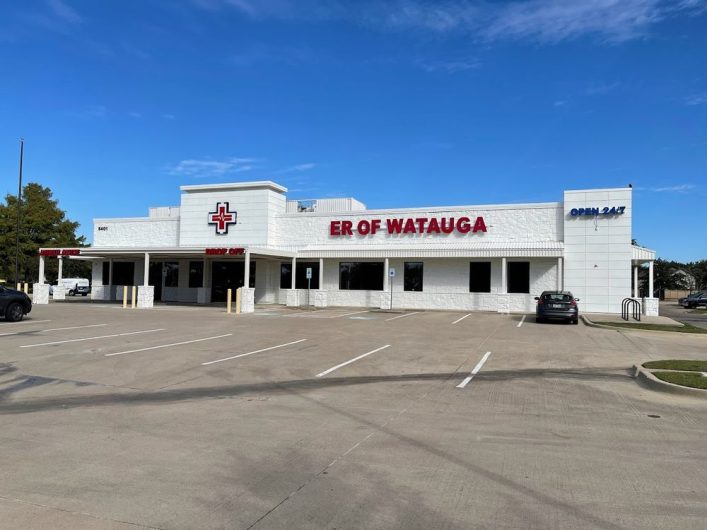
This guide explains what you can do after a contrast-enhanced CT scan, which symptoms are normal, what to avoid, and when medical attention is necessary. For severe or unexpected symptoms, emergency evaluation at ER of Watauga may be appropriate.
What Is CT Contrast?
CT contrast material is used to make certain organs, blood vessels, and tissues easier to see on CT images. For many CT examinations, an iodine-based contrast material is injected into a vein.
It is different from a traditional colored dye. It temporarily changes how X-rays interact with tissues so doctors can see structures more clearly.
Important facts
CT contrast does not remain permanently in your body.
Injected iodine-based contrast is primarily eliminated through the kidneys.
You do not need a special detox program.
Normal fluid intake can support the body's natural elimination process.
People with significant kidney problems may need individualized medical advice.
How to Flush Out CT Scan Dye Safely
1. Drink Water as Recommended
For most people, increasing fluid intake after an examination with iodine-based contrast is recommended to help eliminate the contrast through urine.
Instead of drinking a very large amount of water at once, spread fluids throughout the day.
2. Follow Your Doctor's Fluid Instructions
More water is not always better.
People with certain heart, kidney, or other medical conditions may have fluid restrictions. If your healthcare professional has given you specific instructions, follow those instructions instead of trying to force extra fluids.
3. Continue Your Normal Diet
If you were not given special dietary instructions, you can generally return to your usual diet after the examination. RadiologyInfo notes that people who have not been sedated can generally resume normal activities and their normal diet immediately after receiving contrast material.
There is no particular food proven to “detox” or remove intravenous CT contrast faster than your body's normal elimination process.
4. Urinate Normally
Because injected iodine-based contrast is eliminated through the kidneys and urine, normal urination is part of the body's natural clearance process.
Do not deliberately hold your urine for long periods after your scan.
5. Rest if You Feel Tired
Most people can return to normal activities after a CT scan if they were not sedated. However, it is reasonable to rest if you feel tired or uncomfortable.
Mild sensations such as warmth, flushing, or a metallic taste can occur briefly after iodine-based contrast and usually pass quickly.
6. Avoid Unnecessary “Detox” Products
You generally do not need:
Detox teas
Herbal cleanses
Laxatives
Juice cleanses
Special supplements
These products are not necessary for removing intravenous CT contrast and can sometimes cause dehydration or interact with medications.
7. Follow Your Imaging Center's Instructions
Your radiology department may provide specific instructions based on your medical history, the type of contrast used, and your procedure.
Always follow those instructions first.
How Long Does CT Contrast Stay in Your Body?
The exact elimination time varies between individuals.
The kidneys play an important role in removing intravenous iodine-based contrast. People with normal kidney function generally eliminate it naturally through urine.
People with reduced kidney function may clear contrast more slowly. This is one reason medical professionals consider kidney function before administering certain contrast examinations.
Does Drinking More Water Remove Contrast Faster?
Hydration supports normal kidney function and can help with elimination, but drinking excessive amounts of water does not necessarily provide extra benefits.
The goal is appropriate hydration, not forced hydration.
A practical approach
Drink water regularly.
Follow your doctor's fluid recommendations.
Continue normal meals unless instructed otherwise.
Avoid excessive alcohol.
Do not use unproven detox products.
If you have heart failure, advanced kidney disease, or another condition requiring fluid restriction, ask your healthcare professional how much you should drink.
What About Oral Contrast?
Not all CT contrast is injected.
Some CT examinations use contrast that you drink. Barium sulfate is commonly used as oral or rectal contrast and is generally eliminated through bowel movements rather than through the kidneys. Increasing fluids can help with its removal, and bowel movements may temporarily look white after barium.
If you received oral contrast, follow the instructions provided by your imaging center.
When Should You Seek Medical Help?
Although serious reactions are uncommon, some symptoms require prompt medical attention.
Seek emergency care for:
Difficulty breathing
Swelling of the throat or face
Severe wheezing
Severe weakness or fainting
Profound dizziness
Severe or rapidly worsening symptoms
Serious reactions to iodine-based contrast are uncommon, but they can occur.
If you develop concerning symptoms after a CT scan, ER of Watauga can provide emergency evaluation.
Can CT Contrast Affect the Kidneys?
Most people tolerate modern iodine-based contrast well. However, people with impaired kidney function require special consideration.
The risk of kidney problems is particularly important in people who already have significantly reduced kidney function or certain other risk factors. Medical professionals weigh the benefits of contrast-enhanced imaging against potential risks.
Contact your healthcare provider if you notice:
Much less urine than usual
New swelling
Significant weakness
Persistent vomiting
Other unusual symptoms after the scan
Do not assume that every symptom after a CT scan is caused by contrast. The underlying condition being investigated may also cause symptoms.
Frequently Asked Questions
1. How do I flush out CT scan dye naturally?
Your body usually removes injected CT contrast naturally through the kidneys and urine. Appropriate hydration can support this process.
2. How much water should I drink after a CT scan with contrast?
There is no single amount that is appropriate for everyone. Drink fluids according to your healthcare provider's instructions, especially if you have kidney or heart problems.
3. Can I eat normally after CT contrast?
Generally, yes. If you were not given special dietary instructions, you can usually return to your normal diet after the scan.
4. Do I need a detox after CT contrast?
No. A special detox, cleanse, or supplement is generally unnecessary.
5. Does CT contrast stay in your body?
Injected iodine-based contrast is gradually eliminated from the body, primarily through the kidneys. The amount of time required can vary, particularly with reduced kidney function.
Conclusion
Knowing how to flush out ct scan dye can help you feel more comfortable after a contrast-enhanced CT examination. In most cases, your body naturally eliminates injected iodine-based contrast through the kidneys. Appropriate hydration, a normal balanced diet, and following your healthcare provider's instructions are usually all that is needed.