Understanding ct scan with contrast side effects can help you feel more prepared before undergoing a CT scan. Contrast dye is commonly used to improve the visibility of organs, blood vessels, and tissues during imaging. Most people experience little or no discomfort, and any side effects are usually mild and temporary. However, knowing what is normal and when to seek medical attention is important. If you experience severe symptoms after a CT s... more7 Important CT Contrast Side Effects
Introduction
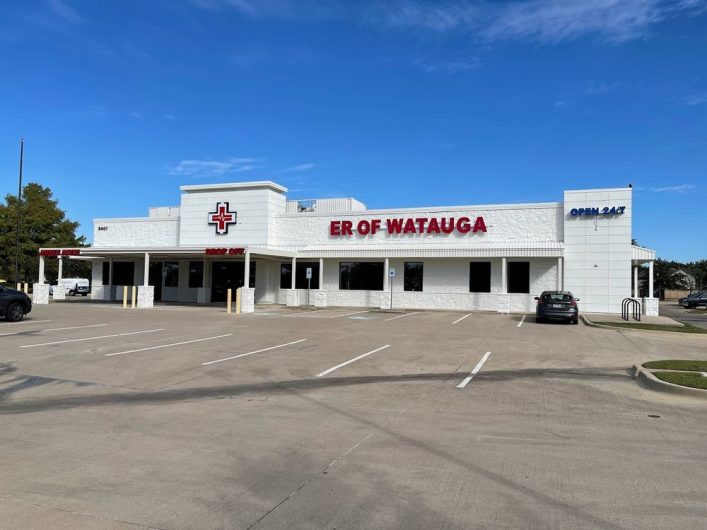
Understanding ct scan with contrast side effects can help you feel more prepared before undergoing a CT scan. Contrast dye is commonly used to improve the visibility of organs, blood vessels, and tissues during imaging. Most people experience little or no discomfort, and any side effects are usually mild and temporary. However, knowing what is normal and when to seek medical attention is important. If you experience severe symptoms after a CT scan, the experienced medical team at the ER of Watauga is available 24/7 to provide prompt emergency care.
What Is a CT Scan with Contrast?
A CT (Computed Tomography) scan uses X-rays and computer technology to create detailed images of the inside of the body. Contrast dye, often iodine-based, is injected into a vein or given by mouth to improve image quality.
Common Reasons for a CT Scan with Contrast
Detect infections
Diagnose tumors
Evaluate blood vessels
Identify internal injuries
Examine organs such as the liver, kidneys, and intestines
The contrast dye helps doctors make more accurate diagnoses.
How Does Contrast Dye Work?
Contrast dye travels through the bloodstream and highlights specific tissues and blood vessels on CT images.
After the scan:
The kidneys filter the dye from the blood.
Most of the dye leaves the body through urine within 24 to 48 hours.
Drinking enough water can support normal kidney function.
Common Side Effects of CT Scan with Contrast
Most side effects are mild and disappear within a short time.
1. Warm Sensation
Many people feel warmth spreading through the body immediately after the injection.
This is normal and usually lasts less than a minute.
2. Metallic Taste
A temporary metallic taste in the mouth is another common reaction.
It usually disappears within a few minutes.
3. Mild Nausea
Some patients feel slightly nauseated after receiving contrast.
Tips that may help:
Drink water
Eat light meals if approved by your doctor
Rest if needed
4. Headache
A mild headache can occur after the procedure.
Most headaches improve with hydration and rest.
5. Mild Itching or Rash
Some people develop a mild skin rash or itching.
These symptoms often improve without treatment but should be reported to your healthcare provider if they worsen.
6. Injection Site Discomfort
You may notice:
Mild soreness
Bruising
Tenderness
These symptoms usually resolve within a few days.
7. Fatigue
A small number of people feel tired after a CT scan.
This usually improves within a day.
Caption
Most CT scan contrast side effects are mild, temporary, and resolve without treatment.
Alt Text
Patient receiving intravenous contrast dye before a CT scan while monitored by healthcare professionals.
Rare but Serious Side Effects
Serious complications are uncommon but require immediate medical attention.
Severe Allergic Reaction
Symptoms include:
Difficulty breathing
Swelling of the lips or throat
Severe hives
Wheezing
This is a medical emergency.
Kidney Problems
People with existing kidney disease have a higher risk of kidney injury after contrast administration.
Risk factors include:
Chronic kidney disease
Diabetes
Dehydration
Older age
Doctors often evaluate kidney function before administering contrast when appropriate.
Contrast Extravasation
Sometimes contrast dye leaks outside the vein.
Possible symptoms include:
Swelling
Pain
Redness
Tightness around the injection site
Most cases are mild, but severe cases require medical evaluation.
Who Has a Higher Risk of Side Effects?
Certain individuals require extra precautions.
Higher-Risk Groups
Kidney disease patients
People with diabetes
Individuals with previous contrast allergies
Older adults
People taking certain medications
Inform your healthcare provider about your medical history before your scan.
How to Reduce the Risk of Side Effects
Simple steps can help support recovery.
Before the Scan
Tell your doctor about allergies.
Discuss kidney disease or diabetes.
Inform your provider about medications.
After the Scan
Drink plenty of water.
Follow discharge instructions.
Watch for unusual symptoms.
Resume normal activities unless advised otherwise.
Foods and Drinks After a CT Scan
A healthy diet supports recovery.
Good Choices
Water
Fresh fruit
Vegetables
Whole grains
Lean protein
Soup
Limit
Alcohol
Sugary beverages
Excess caffeine
Staying hydrated helps your kidneys eliminate the contrast dye naturally.
When Should You Seek Emergency Care?
Seek immediate medical attention if you develop:
Difficulty breathing
Chest pain
Swelling of the face or throat
Severe rash
Persistent vomiting
Little or no urine output
Severe dizziness
The emergency physicians at the ER of Watauga are available 24 hours a day to evaluate serious reactions.
Recovery After a CT Scan with Contrast
Most patients recover quickly.
Recovery Tips
Drink plenty of fluids.
Eat balanced meals.
Get adequate rest.
Monitor for symptoms.
Contact your doctor if symptoms persist.
Most people return to normal activities shortly after the scan.
AI Overview (Quick Summary)
What are the common CT scan with contrast side effects?
Most common side effects include:
Warm sensation
Metallic taste
Mild nausea
Headache
Injection site soreness
Mild itching
Temporary fatigue
Are serious reactions common?
No. Serious allergic reactions and kidney problems are uncommon but require immediate medical attention.
How can you recover faster?
Drink water
Stay hydrated
Eat healthy foods
Follow your healthcare provider's instructions
When should you visit the ER?
Go to the emergency room immediately if you experience:
Difficulty breathing
Severe swelling
Chest pain
Persistent vomiting
Severe allergic reaction
The ER of Watauga provides 24/7 emergency evaluation and treatment.
Frequently Asked Questions
1. Are CT scan contrast side effects common?
Yes, mild side effects such as warmth, a metallic taste, or nausea are relatively common and usually temporary.
2. How long do side effects last?
Most mild side effects improve within minutes to several hours. Contrast dye is usually cleared from the body within 24 to 48 hours in people with normal kidney function.
3. Can contrast dye make you tired?
Yes. Some people report temporary fatigue after a CT scan with contrast, although it usually resolves quickly.
4. How can I remove contrast dye from my body?
Drink plenty of water, stay hydrated, and follow your healthcare provider's instructions. Your kidneys naturally eliminate the dye.
5. Is contrast dye safe?
For most people, contrast dye is safe. Healthcare providers evaluate your medical history and kidney function when necessary to reduce risks.
6. When should I go to the ER after a CT scan?
Visit the ER of Watauga immediately if you develop breathing difficulty, severe allergic reactions, swelling, chest pain, or a significant decrease in urination.
Conclusion
Learning about ct scan with contrast side effects can help you feel more confident before your imaging procedure. Most side effects are mild, short-lived, and resolve without treatment. Staying hydrated, eating a balanced diet, and following your healthcare provider's recommendations can support a smooth recovery. Although serious reactions are rare, recognizing warning signs and seeking immediate medical care when necessary is essential. If you experience severe symptoms after receiving contrast dye, the dedicated team at the ER of Watauga is available around the clock to provide expert emergency care.
For more blogs visit : https://kahkaham.net/post/385487_7-safe-ways-to-get-contrast-dye-out-introduction-many-people-ask-how-to-get-cont.html