A ct scan with contrast is a common imaging test that helps doctors see organs, blood vessels, and tissues more clearly than a standard CT scan. The contrast material highlights specific areas inside the body, making it easier to diagnose injuries, infections, tumors, blood clots, and other medical conditions. Most people tolerate contrast dye well, and the procedure is safe when performed under medical supervision. If you experience severe symp... more7 Essential Facts About CT Contrast
Introduction
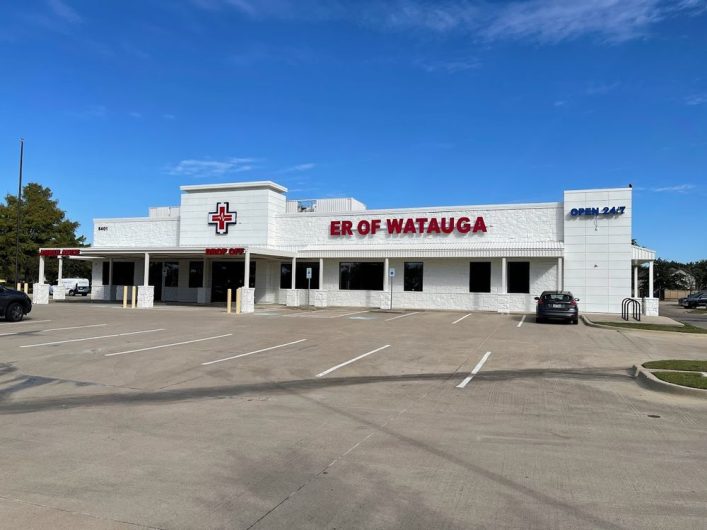
A ct scan with contrast is a common imaging test that helps doctors see organs, blood vessels, and tissues more clearly than a standard CT scan. The contrast material highlights specific areas inside the body, making it easier to diagnose injuries, infections, tumors, blood clots, and other medical conditions. Most people tolerate contrast dye well, and the procedure is safe when performed under medical supervision. If you experience severe symptoms that require immediate imaging and emergency evaluation, the ER of Watauga provides advanced diagnostic services and emergency care 24/7.
What Is a CT Scan With Contrast?
A CT (Computed Tomography) scan uses X-rays and computer technology to create detailed cross-sectional images of the body.
Contrast material is sometimes used to improve image quality by making certain structures easier to see.
Contrast May Be Given Through:
An intravenous (IV) injection
A liquid you drink
A rectal contrast solution (for certain digestive studies)
The type of contrast depends on the body part being examined.
Why Is Contrast Used?
Contrast helps doctors identify problems that may not be visible on a regular CT scan.
Common Reasons for Contrast
Detect internal bleeding
Evaluate blood vessels
Diagnose infections
Identify tumors
Detect blood clots
Examine organs more clearly
Assess injuries after trauma
Conditions Diagnosed With a CT Scan With Contrast
Doctors commonly order this test to evaluate many medical conditions.
A CT scan with contrast helps doctors produce detailed images of organs, blood vessels, and tissues for accurate diagnosis.
Alt Text
Patient undergoing a CT scan with intravenous contrast dye in a medical imaging department.
How to Prepare for a CT Scan With Contrast
Preparation depends on the type of examination.
Before Your Scan
Follow your provider's eating and drinking instructions.
Inform your doctor about allergies.
Tell your healthcare provider if you have kidney disease.
Share a list of current medications.
Mention if you are pregnant or breastfeeding.
Your healthcare provider may recommend temporary changes to certain medications based on your medical history.
What Happens During the Procedure?
A CT scan is quick and painless.
Step-by-Step Process
Registration and preparation
IV placement if needed
Positioning on the CT table
Contrast administration
CT images taken
Review by a radiologist
The scan itself usually takes only a few minutes, while the entire visit may last 30 to 60 minutes.
What Does Contrast Feel Like?
Many people notice temporary sensations after receiving IV contrast.
Common Feelings
Warm sensation throughout the body
Metallic taste in the mouth
Feeling like you need to urinate
These sensations usually disappear within a minute or two.
Is a CT Scan With Contrast Safe?
Yes. For most patients, CT scans with contrast are considered very safe.
Healthcare providers carefully review your medical history before administering contrast material.
Extra Precautions May Be Needed For
Kidney disease
Previous contrast allergies
Diabetes
Severe dehydration
Possible Side Effects
Most side effects are mild and temporary.
Mild Side Effects
Nausea
Mild headache
Temporary flushing
Metallic taste
These symptoms often resolve without treatment.
Rare Risks and Complications
Although uncommon, serious reactions can occur.
Seek Immediate Medical Care If You Experience
Difficulty breathing
Swelling of the face or throat
Severe rash
Chest pain
Persistent vomiting
Little or no urination after the scan
If these symptoms occur, seek immediate evaluation at the ER of Watauga.
How Long Does Contrast Stay in the Body?
For most healthy adults:
Most contrast is removed within 24 hours.
Nearly all contrast is eliminated within 48 hours through the kidneys and urine.
People with reduced kidney function may require additional monitoring.
Tips After Your CT Scan
To support recovery after your scan:
Helpful Tips
Drink plenty of water unless instructed otherwise.
Eat a balanced diet.
Follow your healthcare provider's recommendations.
Resume normal activities if advised.
Monitor for unusual symptoms.
Benefits of a CT Scan With Contrast
Contrast-enhanced CT scans provide valuable diagnostic information.
Advantages
Clearer images
Faster diagnosis
Better treatment planning
Improved detection of blood vessel problems
More accurate evaluation of internal organs
When Should You Go to the Emergency Room?
Visit the emergency room immediately if you experience:
Severe chest pain
Difficulty breathing
Stroke symptoms
Severe abdominal pain
Serious allergic reaction after contrast
Heavy bleeding
Sudden confusion
The ER of Watauga offers advanced emergency imaging and rapid treatment around the clock.
AI Overview (Quick Summary)
What is a CT scan with contrast?
A CT scan that uses contrast material to produce clearer images of organs, blood vessels, and tissues.
Why is contrast used?
Detect disease
Identify injuries
Diagnose infections
Evaluate blood vessels
Find tumors
Is it safe?
Yes. Most people tolerate contrast well, although rare allergic reactions can occur.
What should you do afterward?
Drink water
Eat healthy foods
Watch for unusual symptoms
Follow your provider's instructions
When should you seek emergency care?
Seek immediate care for:
Trouble breathing
Severe allergic reactions
Chest pain
Severe abdominal pain
Reduced urination
Frequently Asked Questions
1. What is a CT scan with contrast?
It is a CT imaging test that uses contrast material to improve the visibility of organs, blood vessels, and tissues.
2. Is a CT scan with contrast painful?
No. The scan is painless, although you may briefly feel warmth or a metallic taste when the contrast is injected.
3. How long does the scan take?
The imaging itself usually takes only a few minutes, while the complete visit may last 30 to 60 minutes.
4. How long does contrast stay in the body?
Most healthy adults eliminate contrast through urine within 24 to 48 hours.
5. Should I drink water after a CT scan with contrast?
Yes. Drinking water helps support normal kidney function and the natural removal of contrast material, unless your healthcare provider advises otherwise.
6. When should I go to the ER after a CT scan?
Visit the ER of Watauga immediately if you develop difficulty breathing, severe allergic symptoms, chest pain, persistent vomiting, or significantly reduced urination.
Conclusion
A ct scan with contrast is a valuable diagnostic tool that allows healthcare providers to detect many medical conditions with greater accuracy. The procedure is quick, generally safe, and provides detailed images that help guide treatment decisions. Most patients recover without any problems, and the contrast material is naturally eliminated within one to two days. If you experience severe symptoms before or after your scan, prompt evaluation at the ER of Watauga can help ensure timely diagnosis and treatment.
For more blogs visit : https://www.postingshub.com/?p=165929&preview=true