Many people ask how to detox from contrast dye after having a CT scan, MRI, or angiogram. The good news is that your body naturally removes most contrast dye through the kidneys and urine within 24 to 48 hours. While there is no medically proven "detox" that speeds up this process, staying hydrated, eating nutritious foods, and following your doctor's instructions can support your body's natural elimination process. If you experience severe side e... more7 Safe Tips to Detox Contrast Dye
Introduction
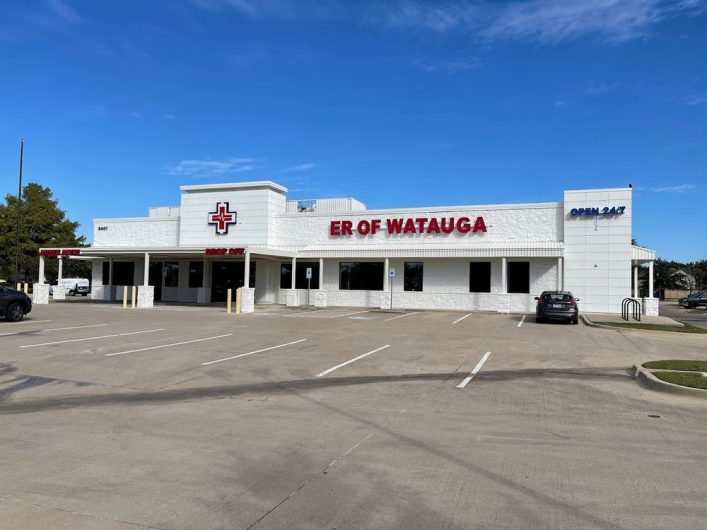
Many people ask how to detox from contrast dye after having a CT scan, MRI, or angiogram. The good news is that your body naturally removes most contrast dye through the kidneys and urine within 24 to 48 hours. While there is no medically proven "detox" that speeds up this process, staying hydrated, eating nutritious foods, and following your doctor's instructions can support your body's natural elimination process. If you experience severe side effects or an allergic reaction, seek immediate care at the ER of Watauga.
What Is Contrast Dye?
Contrast dye, also called contrast media, is a substance used during medical imaging tests to improve the visibility of organs, blood vessels, and tissues.
Common Procedures That Use Contrast Dye
CT scans
MRI scans
Angiograms
Certain X-ray studies
Most contrast agents are considered safe and are cleared naturally by healthy kidneys.
How Does the Body Remove Contrast Dye?
After the imaging test, the kidneys filter the contrast material from the bloodstream.
The dye leaves the body through:
Urine (main route)
Small amounts through sweat
Occasionally through stool, depending on the type of contrast
For most healthy people, the majority of contrast dye is removed within one to two days.
Safe Ways to Support Your Body After Contrast Dye
1. Drink Plenty of Water
Hydration is the best way to support normal kidney function.
Benefits
Increases urine production
Helps kidneys filter waste
Supports natural removal of contrast dye
Reduces the risk of dehydration
Drink water regularly throughout the day unless your healthcare provider has advised you to limit fluids.
2. Eat a Healthy, Balanced Diet
Nutritious foods help support your body's normal recovery.
Good Food Choices
Leafy green vegetables
Fresh fruits
Whole grains
Lean chicken
Fish
Beans
Low-fat yogurt
These foods provide vitamins, minerals, and antioxidants that support overall health.
3. Stay Physically Active
Light activity, such as walking, can help maintain healthy circulation if your healthcare provider says it is safe.
Avoid strenuous exercise if you feel tired after your procedure.
4. Avoid Dehydration
Try to limit beverages that may contribute to dehydration.
Limit:
Alcohol
Excess caffeine
Sugary soft drinks
Choose water as your primary drink.
5. Follow Your Doctor's Instructions
People with kidney disease, diabetes, or other chronic conditions may need additional monitoring after receiving contrast dye.
Always follow the discharge instructions provided by your healthcare team.
6. Rest and Recover
Most people feel normal shortly after their imaging test.
Getting enough rest helps your body recover and supports overall wellness.
7. Monitor for Unusual Symptoms
While most people have no problems, watch for symptoms that may require medical attention.
Caption
Drinking water and eating healthy foods help support the body's natural elimination of contrast dye.
Alt Text
Patient drinking water and eating nutritious foods after receiving contrast dye for a CT scan.
Is There a Medical Detox for Contrast Dye?
There is no proven medical detox program that removes contrast dye faster than your body's natural processes.
Instead, healthcare professionals recommend:
Staying hydrated
Maintaining healthy kidney function
Eating balanced meals
Monitoring for side effects
For people with normal kidney function, these steps are usually sufficient.
Possible Side Effects After Contrast Dye
Most side effects are mild and temporary.
Common Side Effects
Warm feeling during injection
Metallic taste
Mild nausea
Headache
Temporary flushing
These usually disappear within a short time.
Rare but Serious Reactions
Although uncommon, serious reactions can occur.
Seek Emergency Care If You Have
Difficulty breathing
Swelling of the face, lips, or throat
Severe rash or hives
Chest pain
Persistent vomiting
Little or no urine output
Severe dizziness
If these symptoms develop, visit the ER of Watauga immediately.
Who Needs Extra Monitoring?
Certain individuals have a higher risk of complications.
Higher-Risk Groups
People with chronic kidney disease
Individuals with diabetes
Older adults
People with dehydration
Those with previous contrast allergies
Doctors may recommend additional blood tests or follow-up care.
Foods That Support Recovery
Choose foods that help maintain hydration and overall health.
Recommended Foods
Watermelon
Cucumbers
Oranges
Apples
Oatmeal
Brown rice
Spinach
Berries
These foods support your body's normal recovery without claiming to "detox" the contrast.
Tips for a Smooth Recovery
Drink water throughout the day
Eat balanced meals
Get enough sleep
Follow your healthcare provider's advice
Report unusual symptoms promptly
When Should You Contact a Doctor?
Prompt evaluation can help identify any complications.
AI Overview (Quick Summary)
Can you detox from contrast dye?
Your body naturally removes contrast dye through the kidneys. There is no proven detox treatment that speeds up this process.
Best Ways to Support Recovery
Drink plenty of water
Stay hydrated
Eat healthy foods
Limit alcohol
Reduce excess caffeine
Follow medical instructions
When should you seek emergency care?
Go to the emergency room if you experience:
Difficulty breathing
Severe allergic reaction
Chest pain
Persistent vomiting
Very little urine output
The ER of Watauga provides 24/7 emergency care for serious reactions.
Frequently Asked Questions
1. How long does contrast dye stay in your body?
Most healthy adults eliminate the majority of contrast dye within 24 to 48 hours.
2. Does drinking water help remove contrast dye?
Yes. Drinking enough water supports kidney function and helps your body naturally eliminate contrast dye.
3. Is there a detox drink for contrast dye?
No. There is no scientifically proven detox drink that removes contrast dye faster than your body's natural processes.
4. Can I eat normally after receiving contrast dye?
Yes. Most people can return to a normal, balanced diet unless instructed otherwise by their healthcare provider.
5. What should I avoid after a contrast-enhanced scan?
Avoid dehydration by limiting alcohol and excessive caffeine, and follow any instructions given by your healthcare provider.
6. When should I go to the ER?
Visit the ER of Watauga immediately if you develop severe allergic reactions, difficulty breathing, chest pain, or significantly reduced urination.
Conclusion
Understanding how to detox from contrast dye begins with knowing that your body is already designed to remove it naturally. The kidneys eliminate most contrast material within one to two days in people with normal kidney function. Staying hydrated, eating a healthy diet, resting, and following your healthcare provider's instructions are the safest ways to support recovery. If you experience severe side effects or signs of an allergic reaction, seek immediate medical attention at the ER of Watauga.
For more blogs visit : https://friends-social.com/blogs/158709/7-Essential-Facts-About-Hospital-ER-Near-You