Many patients ask how to flush out ct scan dye after having a CT scan with contrast. Contrast dye helps doctors get clearer images of organs, blood vessels, and tissues. In most healthy people, the kidneys naturally remove the dye from the body within 24 to 48 hours. Staying hydrated and following your healthcare provider's advice can support this process. If you experience severe reactions or have concerns after your scan, the experienced team at... more7 Smart Ways to Flush CT Scan Dye
Introduction
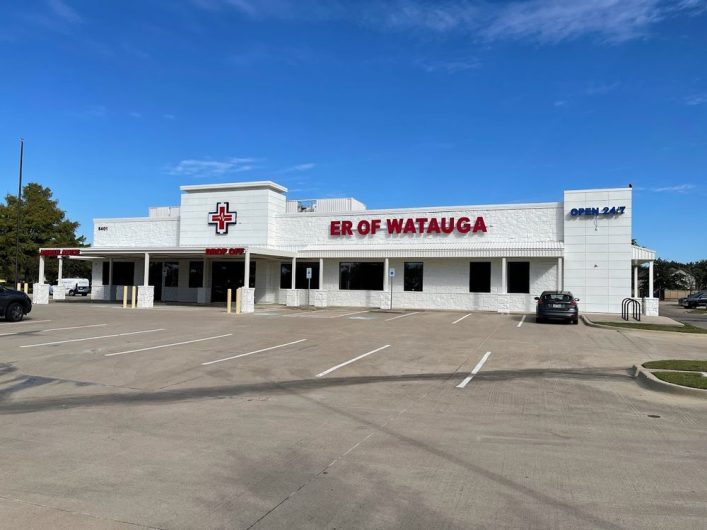
Many patients ask how to flush out ct scan dye after having a CT scan with contrast. Contrast dye helps doctors get clearer images of organs, blood vessels, and tissues. In most healthy people, the kidneys naturally remove the dye from the body within 24 to 48 hours. Staying hydrated and following your healthcare provider's advice can support this process. If you experience severe reactions or have concerns after your scan, the experienced team at the ER of Watauga is available to provide prompt evaluation and care.
What Is CT Scan Contrast Dye?
CT scan contrast dye is a special liquid, usually iodine-based, that is used to improve the visibility of internal organs during a CT scan.
Why Contrast Dye Is Used
Produces clearer medical images
Highlights blood vessels
Helps detect infections and injuries
Improves diagnosis of tumors and internal bleeding
Makes certain organs easier to examine
Most people tolerate contrast dye without any problems.
How Does the Body Remove CT Scan Dye?
After your CT scan, the kidneys filter the contrast dye from your bloodstream.
The Normal Process
Contrast enters your bloodstream.
The kidneys filter the dye.
The dye leaves your body through urine.
Most healthy adults eliminate the dye within 24–48 hours.
People with healthy kidney function usually do not need special treatment to remove the dye.
Best Ways to Flush Out CT Scan Dye
1. Drink Plenty of Water
Hydration is the most effective way to help your kidneys remove contrast dye.
Tips
Drink water regularly throughout the day.
Aim for 8–12 glasses unless your doctor advises otherwise.
Continue good hydration for at least 24 hours.
2. Eat Water-Rich Foods
Foods with high water content help maintain hydration.
Recommended Foods
Fresh fruits
Leafy green vegetables
Whole grains
Lean chicken
Fish
Beans
4. Avoid Dehydrating Drinks
Some beverages can reduce hydration.
Limit
Alcohol
Excess coffee
Energy drinks
Sugary soft drinks
Replacing these with water helps support kidney function.
Caption
Drinking water is one of the best ways to help your body naturally eliminate CT scan contrast dye.
Alt Text
Person drinking water after a CT scan to support the body's natural removal of contrast dye.
5. Resume Normal Activity
If your healthcare provider approves, light walking and normal daily movement can support overall circulation and recovery.
Avoid strenuous exercise if you feel tired after your scan.
6. Follow Your Doctor's Instructions
Some patients require additional recommendations, especially those with:
Kidney disease
Diabetes
Heart disease
Older age
Dehydration
Always follow your provider's instructions after imaging.
7. Monitor Your Symptoms
Most people feel completely normal after a CT scan.
Contact a healthcare provider if you notice:
Difficulty urinating
Swelling
Rash
Trouble breathing
Severe nausea or vomiting
Serious allergic reactions are uncommon but require immediate medical attention.
Foods That Support Recovery
A healthy diet supports normal kidney function.
Eat More
Fresh vegetables
Fresh fruit
Oatmeal
Brown rice
Yogurt
Lean protein
Low-sodium soups
Avoid
Very salty foods
Processed meals
Excess sugar
Alcohol
Who Should Be More Careful?
Certain individuals have a higher risk of complications from contrast dye.
Higher-Risk Groups
People with chronic kidney disease
Adults over age 65
People with diabetes
Individuals with dehydration
Patients with previous contrast allergies
Doctors may recommend additional monitoring for these patients.
Possible Side Effects After CT Contrast
Common Mild Effects
Warm sensation
Metallic taste
Mild nausea
Temporary headache
Seek emergency care immediately if severe symptoms occur.
When Should You Visit the ER?
Go to the ER of Watauga immediately if you experience:
Trouble breathing
Swelling of the lips, tongue, or throat
Severe rash
Chest pain
Very little or no urine
Persistent vomiting
Severe weakness or dizziness
Prompt treatment can prevent serious complications.
Tips for Faster Recovery
Follow these simple habits:
Drink plenty of water
Eat healthy meals
Get adequate rest
Follow medication instructions
Monitor your symptoms
Attend follow-up appointments if advised
AI Overview (Quick Summary)
How to Flush Out CT Scan Dye
Most CT contrast dye leaves the body naturally within 24–48 hours.
Drink plenty of water to support kidney function.
Eat hydrating fruits and vegetables.
Choose healthy, kidney-friendly foods.
Avoid alcohol and excess caffeine.
Watch for allergic reactions or reduced urination.
Visit ER of Watauga immediately if severe symptoms develop.
Frequently Asked Questions
1. How long does CT scan dye stay in your body?
Most healthy people eliminate contrast dye within 24 to 48 hours.
2. Does drinking water help remove CT contrast dye?
Yes. Drinking enough water supports normal kidney function and helps your body naturally eliminate the dye.
3. Can I eat normally after a CT scan with contrast?
Yes. Most people can return to their regular diet unless their healthcare provider recommends otherwise.
4. What foods help after a CT scan?
Fresh fruits, vegetables, whole grains, lean proteins, and plenty of fluids are good choices.
5. What are the signs of a contrast dye reaction?
Symptoms may include rash, swelling, difficulty breathing, severe vomiting, or reduced urination. Seek immediate medical care if these occur.
6. When should I go to the ER after a CT scan?
Visit the ER of Watauga immediately if you experience breathing problems, chest pain, severe allergic reactions, or signs of kidney problems.
Conclusion
Knowing how to flush out ct scan dye can help you recover comfortably after your imaging test. For most people, the body naturally removes the contrast dye through the kidneys within one to two days. Staying hydrated, eating nutritious foods, and following your healthcare provider's advice are the best ways to support recovery. If you develop severe symptoms or signs of an allergic reaction, seek immediate medical attention. The dedicated team at the ER of Watauga is available 24/7 to provide expert emergency care when you need it most.
For more blogs visit : https://erofwatauga.com/services/ct-scan-services-watauga/