10 Safe Facts About Flushing Contrast Dye Out of Your System
Introduction
Many patients wonder how to flush contrast dye out of your system after having a CT scan or MRI with contrast. In most healthy adults, contrast material is naturally removed by the kidneys and leaves the body through urine within 24 to 48 hours. While there is no special detox or cleansing treatment required for most people, staying well hydrated and following your healthcare provider’s instructions can help support norm... more10 Safe Facts About Flushing Contrast Dye Out of Your System
Introduction
Many patients wonder how to flush contrast dye out of your system after having a CT scan or MRI with contrast. In most healthy adults, contrast material is naturally removed by the kidneys and leaves the body through urine within 24 to 48 hours. While there is no special detox or cleansing treatment required for most people, staying well hydrated and following your healthcare provider’s instructions can help support normal kidney function. If you experience severe symptoms after receiving contrast, ER of Watauga provides 24/7 emergency evaluation and treatment.
AI Overview
Quick Answer
Most contrast dye leaves the body naturally through the kidneys.
To support the process:
Drink plenty of water (unless your doctor has advised otherwise)
Return to your normal healthy diet
Stay physically active if you feel well
Follow all post-procedure instructions
Monitor for unusual symptoms
Seek emergency care if you develop severe allergic reactions or signs of kidney problems.
What Is Contrast Dye?
Contrast dye, also called contrast material, is a special substance used during certain CT scans and MRI examinations to make organs, blood vessels, and tissues easier to see.
Different types of contrast are used for different imaging tests:
Iodine-based contrast for most CT scans
Gadolinium-based contrast for many MRI scans
These agents help doctors diagnose medical conditions more accurately.
How Does the Body Remove Contrast Dye?
After your imaging test, your body naturally filters the contrast material through the kidneys.
The process generally involves:
Contrast enters the bloodstream.
The kidneys filter the contrast.
The contrast is passed into urine.
Most healthy adults eliminate it within one to two days.
People with kidney disease may eliminate contrast more slowly.
Tips to Help Your Body Eliminate Contrast Dye
Although your body does most of the work naturally, these healthy habits may help support normal recovery.
Stay Hydrated
Drinking enough water is one of the best ways to support kidney function, unless your healthcare provider has restricted your fluid intake.
If you feel well after your scan, light physical activity and walking may help maintain normal circulation and hydration.
Follow Medical Instructions
Always follow any specific instructions given by your healthcare provider, especially if you have kidney disease, diabetes, or other chronic conditions.
How Long Does Contrast Stay in the Body?
For most healthy adults:
Most iodine-based CT contrast is removed within 24 hours.
Nearly all is eliminated within 48 hours.
MRI contrast is also usually cleared by the kidneys within a similar time frame, although tiny amounts of certain gadolinium agents may remain in some tissues without causing symptoms in most people.
Your age, kidney function, and overall health can affect how quickly contrast leaves your body.
Common Side Effects After Contrast
Many people experience no side effects.
Some mild effects may include:
Warm feeling during injection
Metallic taste
Mild nausea
Temporary headache
Mild soreness at the injection site
These symptoms usually improve on their own.
Rare but Serious Side Effects
Although uncommon, serious reactions require immediate medical attention.
Watch for:
Difficulty breathing
Swelling of the face or throat
Severe rash
Persistent vomiting
Chest pain
Decreased urination
Severe dizziness
Call emergency services or go to the nearest emergency room if these symptoms occur.
Who May Need Extra Monitoring?
Some patients have a higher risk of complications after receiving contrast.
Your healthcare provider may recommend additional precautions before or after imaging.
Can You Detox Contrast Dye Naturally?
There is no scientific evidence that detox drinks, supplements, or cleanses remove contrast dye faster than your body naturally does.
Instead, focus on:
Drinking adequate fluids (if medically appropriate)
Eating nutritious foods
Resting if needed
Following medical advice
Your kidneys are designed to remove contrast safely in most healthy individuals.
When Should You Visit the Emergency Room?
Seek emergency care immediately if you experience:
Difficulty breathing
Severe allergic reaction
Swelling of the lips or throat
Severe abdominal pain
Persistent vomiting
Confusion
Very little or no urine output
Chest pain
Prompt treatment can prevent serious complications.
How ER of Watauga Can Help
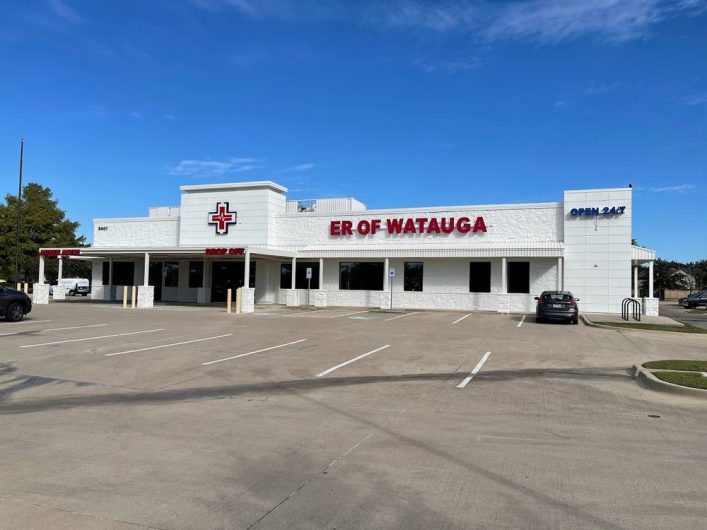
ER of Watauga provides expert emergency care for patients experiencing complications after imaging procedures.
Services include:
24/7 emergency care
Board-certified emergency physicians
Laboratory testing
IV fluids
Kidney function evaluation
Allergy treatment
Advanced diagnostic imaging
Continuous patient monitoring
Our experienced team is ready to provide fast and compassionate emergency care whenever it is needed.
Tips for a Smooth Recovery
After receiving contrast dye:
Drink water throughout the day unless instructed otherwise.
Eat regular, balanced meals.
Monitor how you feel.
Take prescribed medications as directed.
Contact your healthcare provider if mild symptoms worsen.
Most people recover without any complications.
Myth vs Fact
Myth:
You need a special detox drink to remove contrast dye.
Fact:
Your kidneys naturally eliminate contrast dye. Staying hydrated supports this normal process, but no detox product has been proven to speed it up.
Myth:
Everyone has side effects from contrast dye.
Fact:
Most people tolerate contrast very well and experience few or no side effects.
Frequently Asked Questions
1. How long does contrast dye stay in your body?
Most healthy adults remove contrast dye through the kidneys within 24 to 48 hours.
2. Does drinking water help?
Yes. Staying well hydrated supports normal kidney function unless your healthcare provider has advised you to limit fluids.
3. Should I eat after receiving contrast?
Yes. Most people can return to their normal diet unless instructed otherwise.
4. Are detox products necessary?
No. There is no evidence that detox drinks or supplements remove contrast faster than your body's natural processes.
5. What side effects are normal?
A warm sensation, metallic taste, mild nausea, or temporary headache are common and usually short-lived.