A ct scan with contrast is an advanced medical imaging test that helps healthcare providers see organs, blood vessels, and tissues more clearly than a standard CT scan. Contrast material improves image quality, allowing doctors to diagnose many conditions quickly and accurately. Most patients complete the procedure without complications, and the contrast is naturally removed from the body through the kidneys. If you experience severe symptoms a... more10 Vital CT Scan With Contrast Facts
Introduction
A ct scan with contrast is an advanced medical imaging test that helps healthcare providers see organs, blood vessels, and tissues more clearly than a standard CT scan. Contrast material improves image quality, allowing doctors to diagnose many conditions quickly and accurately. Most patients complete the procedure without complications, and the contrast is naturally removed from the body through the kidneys. If you experience severe symptoms after the scan, ER of Watauga offers 24/7 emergency care to evaluate and treat possible complications.
AI Overview
Quick Answer
A CT scan with contrast uses a special contrast material to create detailed images of the body's internal structures.
It is commonly used to:
Detect infections
Diagnose appendicitis
Identify internal bleeding
Examine blood vessels
Evaluate tumors
Detect blood clots
Assess injuries after accidents
The scan is usually completed within 10–30 minutes and is generally safe for most patients.
What Is a CT Scan With Contrast?
A CT (Computed Tomed Tomography) scan combines multiple X-ray images to produce detailed cross-sectional pictures of the body.
Contrast material makes certain tissues and blood vessels easier to see. It can be administered in different ways:
Intravenous (IV) injection
Oral contrast
Rectal contrast for specific examinations
The type of contrast depends on the area being examined.
Why Do Doctors Use Contrast?
Contrast improves image clarity and helps healthcare providers make more accurate diagnoses.
Avoiding food for several hours
Drinking water if instructed
Informing staff about allergies
Reporting kidney disease or diabetes
Removing jewelry or metal objects
Always follow the instructions provided by your healthcare team.
What Happens During the Procedure?
The examination is quick and painless.
During the scan:
You change into a gown.
You lie on the CT table.
Contrast is administered if needed.
The scanner captures detailed images.
You may briefly hold your breath.
The procedure usually finishes within 10–30 minutes.
A technologist monitors you throughout the scan.
Common Sensations After Contrast Injection
Some people experience temporary sensations, including:
Warm feeling throughout the body
Metallic taste in the mouth
Feeling like they need to urinate
These effects usually disappear within a few minutes.
Possible Side Effects
Most patients tolerate contrast material well.
Mild side effects include:
Headache
Mild nausea
Warm sensation
Metallic taste
Mild discomfort at the injection site
Serious allergic reactions are uncommon but require immediate medical attention.
Who Needs Extra Precautions?
Additional precautions may be recommended for:
People with chronic kidney disease
Individuals with previous contrast allergies
Patients with diabetes affecting kidney function
Pregnant women
People with certain thyroid disorders
Healthcare providers review your medical history before giving contrast.
Recovery After a CT Scan
Most patients return to normal activities shortly after the procedure.
Helpful recovery tips include:
Drink water if your healthcare provider recommends it.
Eat a balanced diet.
Rest if you feel tired.
Follow discharge instructions.
Watch for unusual symptoms.
Healthy kidneys naturally remove most contrast material within about 24 hours.
When Should You Visit the Emergency Room?
Seek emergency medical care immediately if you experience:
Difficulty breathing
Swelling of the face or throat
Severe rash
Chest pain
Persistent vomiting
Very little urine output
Severe dizziness
Confusion
Prompt evaluation can help prevent serious complications.
How ER of Watauga Can Help
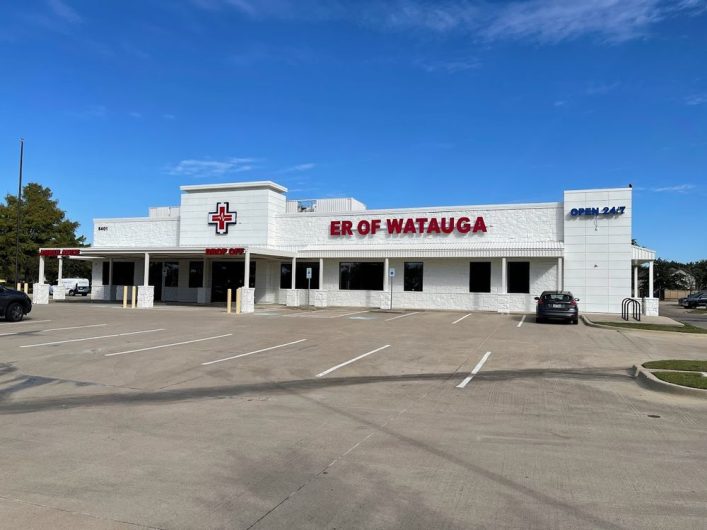
ER of Watauga provides emergency evaluation and treatment for patients who experience complications after CT scans or other medical emergencies.
Services include:
24/7 emergency care
Board-certified emergency physicians
CT imaging
Laboratory testing
IV fluids
Allergy treatment
Kidney function evaluation
Continuous patient monitoring
Our experienced medical team is committed to delivering compassionate, high-quality emergency care.
Benefits of CT Scan With Contrast
A contrast-enhanced CT scan offers several important advantages.
Benefits include:
Faster diagnosis
Detailed images
Improved detection of disease
Better treatment planning
Non-invasive testing
Quick results during emergencies
These advantages make CT scans an essential diagnostic tool in modern medicine.
Myth vs Fact
Myth:
CT contrast is unsafe for everyone.
Fact:
Most patients receive contrast safely with few or no side effects.
Myth:
Special detox products are needed afterward.
Fact:
Healthy kidneys naturally eliminate most contrast material without detox products.
Frequently Asked Questions
1. Why is contrast used during a CT scan?
Contrast improves image quality and helps healthcare providers detect diseases and injuries more accurately.
2. Is a CT scan with contrast painful?
No. The scan itself is painless, although inserting the IV may cause brief discomfort.
3. How long does the procedure take?
Most CT scans with contrast are completed within 10 to 30 minutes.
4. How long does contrast stay in the body?
Most healthy adults eliminate contrast material through the kidneys within about 24 hours.
5. Are side effects common?
Most side effects are mild and temporary. Serious allergic reactions are rare.
6. When should I visit ER of Watauga?
Seek emergency care immediately if you experience difficulty breathing, facial swelling, severe rash, chest pain, or decreased urination after receiving contrast.
For more blogs visit : https://erofwatauga.com/services/ct-scan-services-watauga/