Global markets buoyed by US inflation data, Mideast woes linger
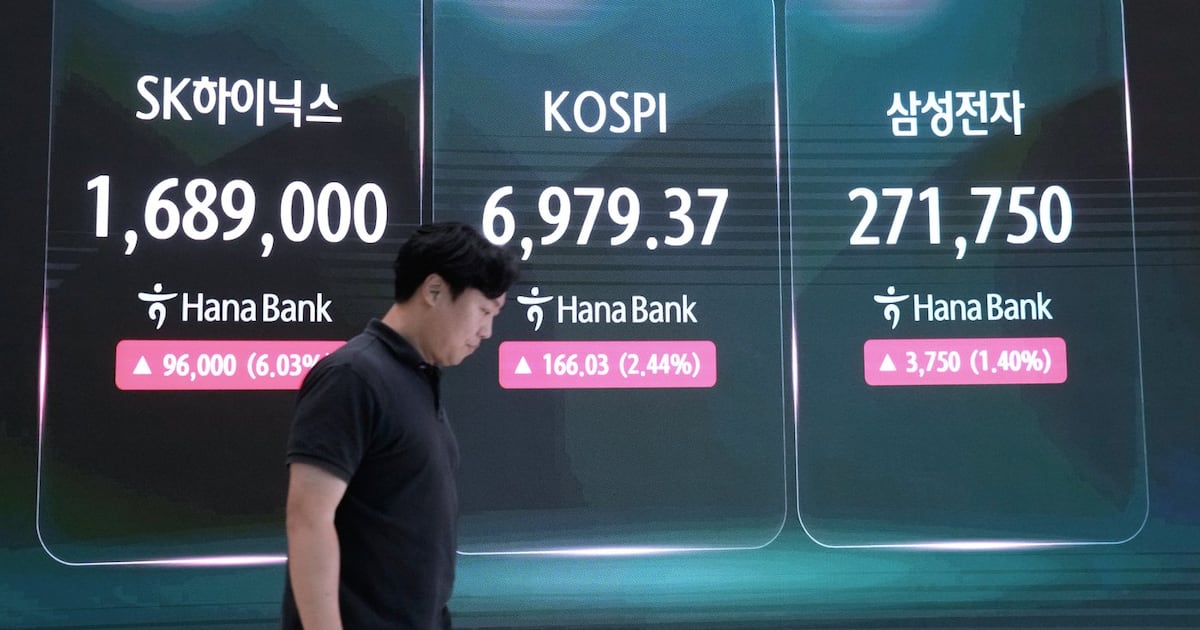
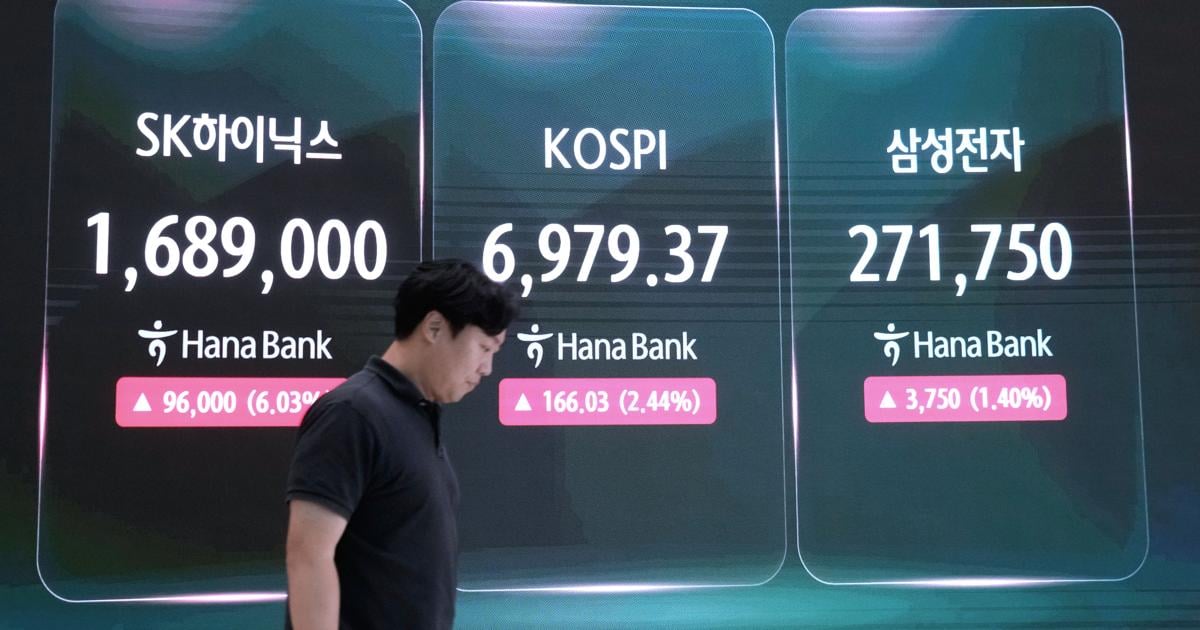
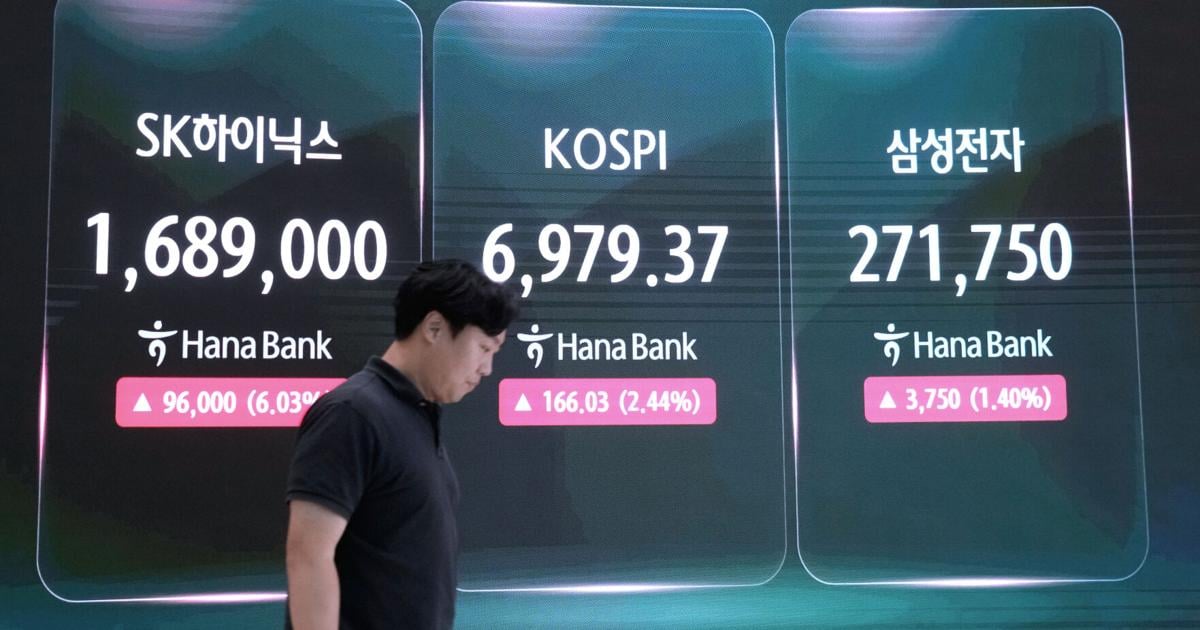
Global financial markets found some relief this week as moderate US inflation data and robust corporate earnings bolstered risk appetite, though lingering geopolitical uncertainties in the Middle East continued to temper enthusiasm. The US Producer Price Index remained flat month-on-month while rising 4.7% annually in July, falling short of projections, with energy prices sustaining their downward trajectory. The cooling inflation picture has pushed Federal Reserve rate hike expectations further out to December, allowing the US Dollar Index to slip below the 100 threshold as Wall Street closed at record highs.Bond Yields and Commodities ReactThe US 10-year Treasury yield retreated five basis points to 4.66%, while the dollar traded sideways near 99.8. Gold prices eased 0.6% to $4,324 per ounce, as profit-taking and a shift toward technology equities offset waning rate hike expectations. Meanwhile, Brent crude held steady at $87.10 per barrel as markets weighed diplomatic efforts in the Middle East against persistent supply concerns. Investors also digested mixed corporate results, with Cisco shares sliding 8.4% despite beating estimates, while AI-driven tech stocks continued their recovery.European and Asian Markets MixedEuropean equities faced headwinds from elevated oil prices, with the FTSE 100, CAC 40, and DAX 40 all closing lower on Thursday. The eurozone is expected to post 0.4% quarterly GDP growth when figures are released Friday, while UK industrial production contracted more than anticipated in June. Asian markets similarly reflected divergent sentiment amid Middle East peace uncertainty and high energy costs, with Japan's Nikkei and South Korea's Kospi gaining while Chinese and Hong Kong indexes declined. Semiconductor stocks, led by SMIC's price increase amid robust AI demand, provided some regional support.