Global Markets Face Food Inflation Risks as US Demand, Japan GDP and Gold Take Center Stage
A quieter summer trading period may conceal mounting pressure from food costs, energy prices and shifting expectations for interest rates worldwide.
Global financial markets are entering the second half of August amid the usual summer lull, but investors still face plenty of significant risks. Key themes for the week include the threat of a renewed acceleration in food inflation, the state of U.S. consumer demand, Japan’s economic data, gold’s recovery, and the inflation outlook in the United Kingdom.
Risk of a New Surge in Food Prices
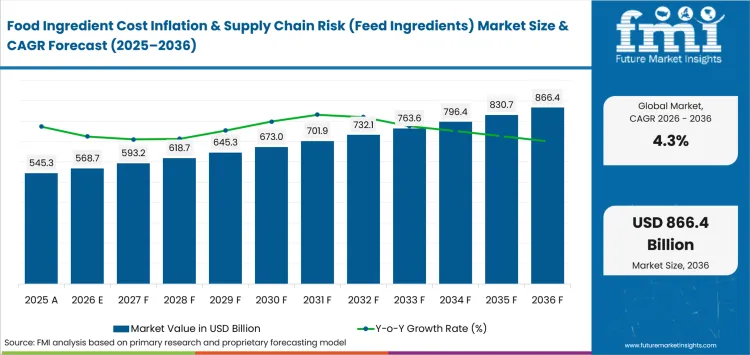
A powerful El Niño, higher energy prices, fertilizer shortages caused by the conflict in the Middle East, and new problems with grain exports due to the war in Ukraine are heightening concerns about another wave of food inflation.
Rising food costs could have the most painful impact on countries in Asia and Latin America. In these regions, households spend a larger share of their income on food, while authorities are particularly sensitive to renewed price pressures. India is already feeling the effects of these trends.
The UN Food and Agriculture Organization has warned of the risk of another global increase in food prices. According to JPMorgan’s estimate, a strong El Niño at the peak of its impact could by itself add around 0.7% to global food inflation.
For markets, the key question will be how long this effect lasts. If price pressure proves not to be short-lived, central banks will have to reconsider their monetary policy plans.
Retailers’ Reports Will Show the State of the U.S. Economy
The financial results of major U.S. retail and industrial companies will make it possible to assess how resilient American consumer spending remains. Investors will watch whether the conflict involving Iran, higher fuel costs, and geopolitical uncertainty are affecting household budgets.
Reports from Walmart, Home Depot, Target, Lowe’s, and Deere may show how demand is changing across different consumer groups. Gasoline costs more than $4 per gallon, although inflation in other categories of goods and services is showing signs of slowing.
Walmart and Target may reveal whether shoppers are shifting their spending toward essential goods. Results from Home Depot and Lowe’s will help determine whether inflation and costly credit are curbing spending on home repairs and improvements. Deere’s results will be important for assessing the impact of energy costs and more expensive inputs on farmers.
Markets will also focus on companies’ management forecasts: whether they view current pressures as manageable or already see more serious risks to demand and profitability.
Japan’s GDP and Expectations of a Rate Hike
New data on Japan’s gross domestic product will show how the country’s economy is responding to the war with Iran and rising prices for imported oil. They will also be important in assessing the economy’s readiness for a further interest rate increase by the Bank of Japan.
According to the median forecast of 15 economists, Japan’s GDP grew at an annualized rate of 2% in April-June. This could mark the third consecutive quarter of positive growth.
The prolonged crisis in the Middle East is creating a double burden for Japan: the country is paying more for imported oil while also facing a weakening national currency.
Because of the need to curb inflation and support the yen, markets are increasingly confident that the Bank of Japan will raise its policy rate by 25 basis points next month, to 1.25%. In June, the regulator had already raised it to 1%.
Gold Regains Ground
At the start of the conflict, gold was trading near record highs, but a stronger dollar, rising inflation expectations, and higher bond yields triggered a broad sell-off. Over three months, the precious metal lost 25% of its value, damaging its reputation as a safe-haven asset.
Since its six-month low at the end of June – around $3,965 – gold has gained nearly 10%. Inflation has not spiraled out of control, and markets believe the U.S. Federal Reserve may refrain from raising rates.
Investors have once again begun putting money into gold through exchange-traded funds after four months of outflows. Meanwhile, central banks, which sharply reduced purchases in the first quarter, bought 289 metric tons of gold in April-June – the largest second-quarter volume on record according to the World Gold Council.
UK Inflation After the Heatwave and Football Championship
Following better-than-expected UK GDP growth in June, markets are awaiting new unemployment and inflation data. Economic activity was supported at the time by hot weather, the FIFA World Cup, and stronger business investment.
Inflation slowed to 2.6% in June thanks to falling energy prices after the truce between the United States and Iran. However, the pause in hostilities was short-lived, and energy prices began rising again. This increases the likelihood of a higher inflation reading for July.
Food prices remain an additional source of concern. Extreme heat in the United Kingdom and other European countries is affecting food production, and several British retail chains have already warned of the risk of a food price shock.
The cost of living is one of the priorities of the new Prime Minister Andy Burnham, so inflationary pressure will matter for his budgetary and political decisions. The Bank of England will also assess these trends: the likelihood of a rate hike by the end of the year is declining, but has not disappeared entirely.