
Remember me




We've all been there at some point, staring at a blank screen on a system that fails to boot, or one where hardware options are limited. One dependable ally in those situations is Linux. While some people expect advanced, cutting-edge features from their OS, the real power of Linux lies within its utility. No matter what your daily driver is, having such a capable tool at your disposal is of enormous help.
Robust tooling, strong utility, versatility, a capable shell, and high customizability—Linux has it all, unmatched by Windows or macOS. It is like comparing apples to oranges—it's that unfair. If you don't see the power of Linux, you need to push the boat out and explore much further. Here are the features Linux has that have saved my behind on more than one occasion.
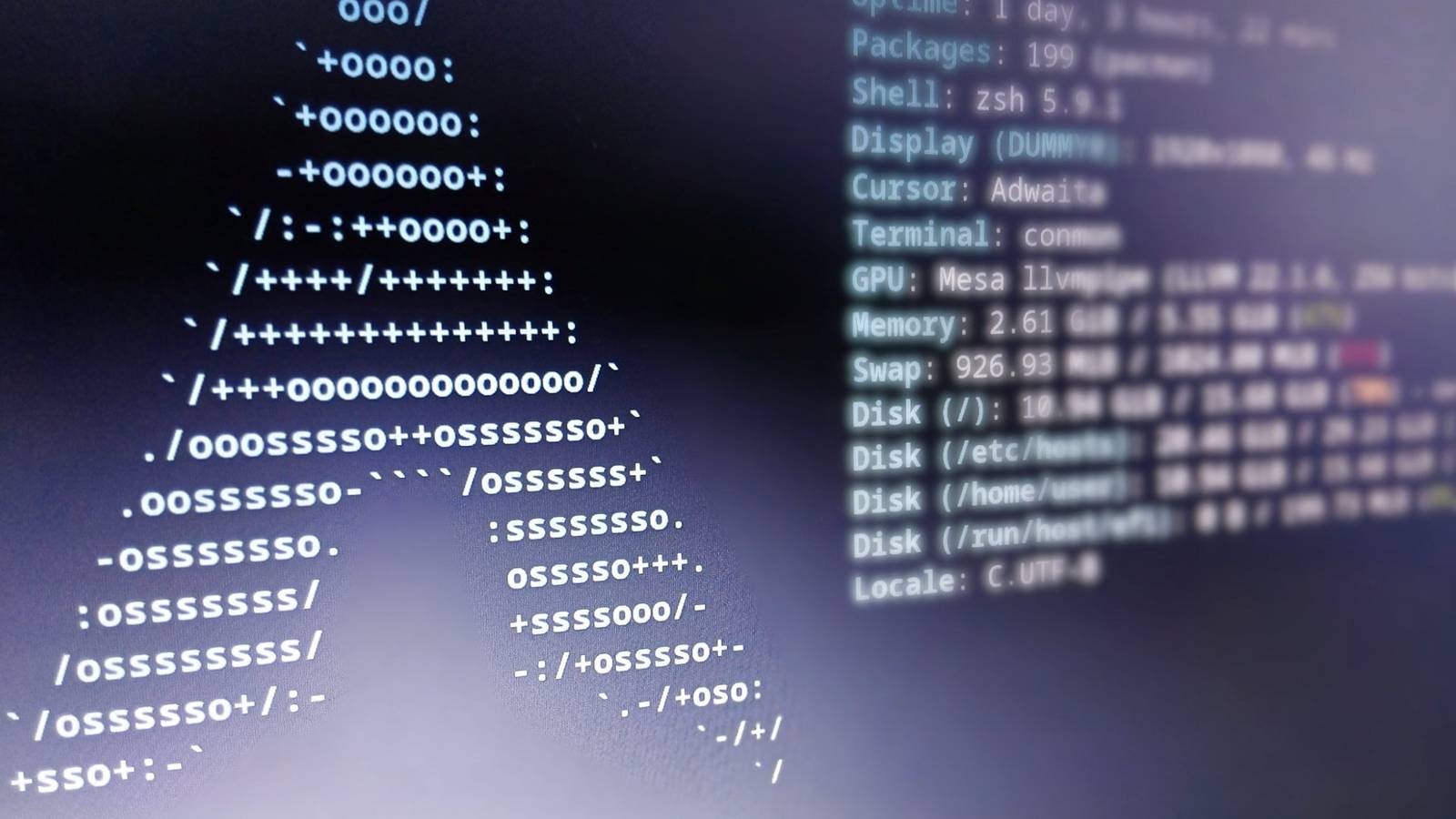
Highly capable and customizable rescue systems Built exactly the way you want Credit: Corbin Davenport / How-To Geek
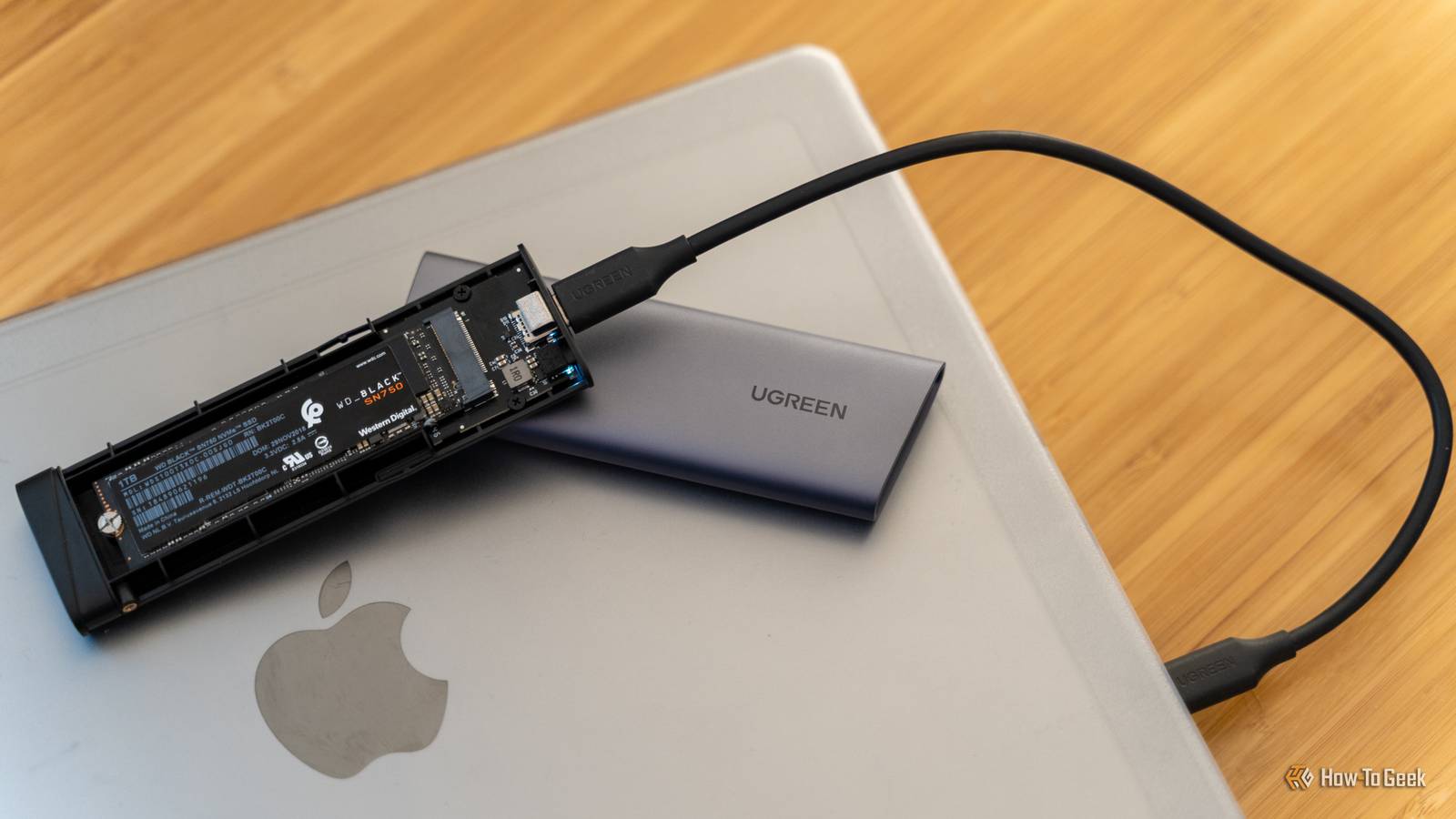
Linux is yours, and you can customize it however you see fit. There are thousands of small utilities available for it, one for practically every scenario, so you don't have to necessarily wait for a vendor to ship the rescue system you need. You can build it yourself. If you want a live image with your own utilities baked in, tools like Cubic or archiso will do that, and you can improve it as your needs change.
If creating your own rescue image doesn't appeal to you, some ready-made options already exist. SystemRescue, GParted Live, and Clonezilla all do specific jobs well, and you can drop several of them onto a single multi-boot USB drive with Ventoy.
 Related
How Linux Took Over the World (Without Anyone Noticing)
Related
How Linux Took Over the World (Without Anyone Noticing)
Discover how Linux now powers everything from smartphones to supercomputers.
Using a custom boot disk doesn't have to be painful, either. Linux distros often ship with a bare-bones shell, but nothing stops you from installing the one you actually want, along with your plugins, scripts, environment variables, and all the other jazz that makes a machine feel comfortably yours.
It boots on almost any hardware The kernel has thousands of modules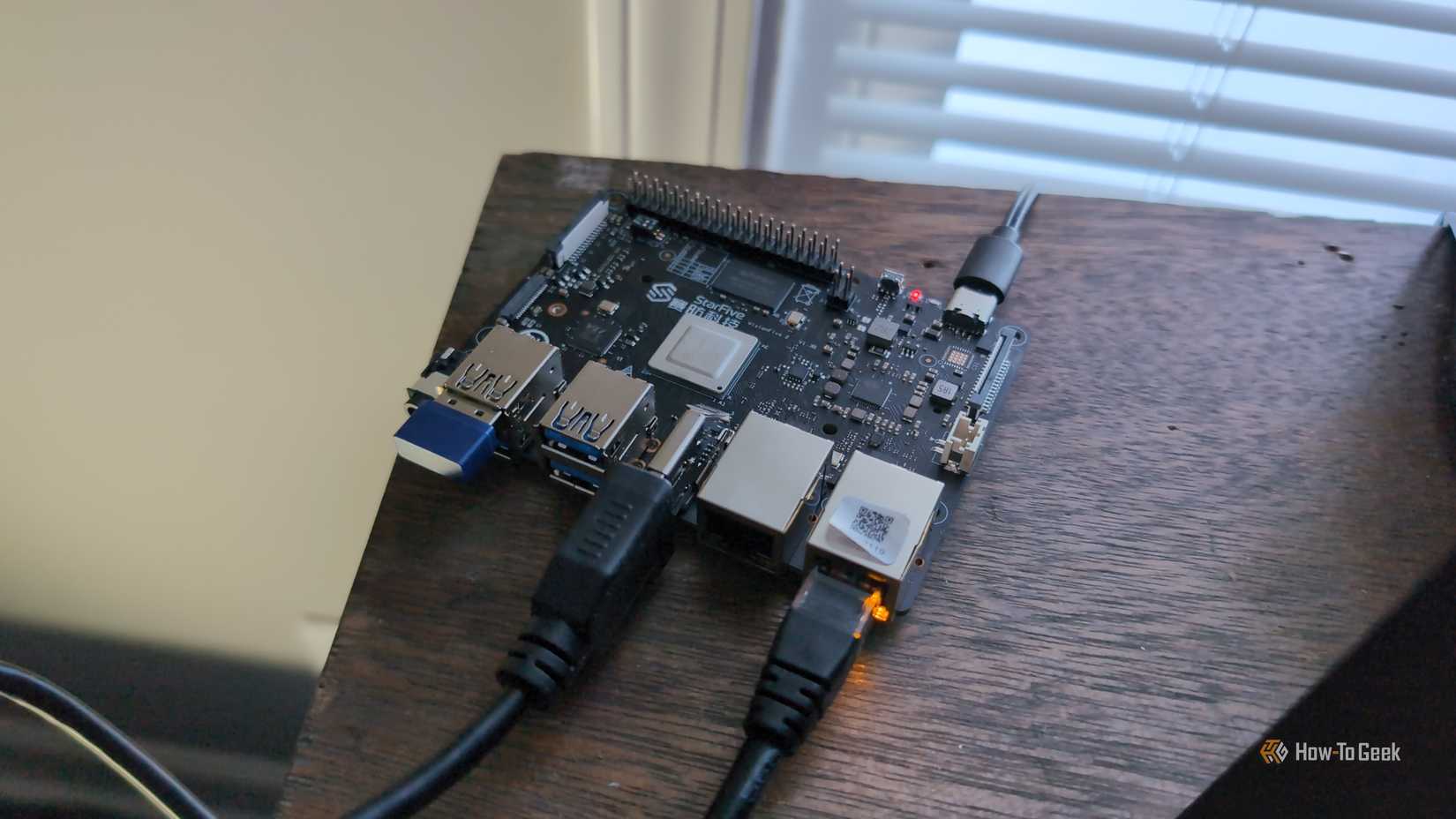 Credit: Jordan Gloor / How-To Geek
An intrinsic feature of Linux is its modular kernel, which means it carries nearly everything it needs to run almost anywhere. It ships with a huge number of kernel modules covering just about any general hardware you can imagine, whether that's x86, ARM, or more unusual platforms like RISC-V and POWER. So, if your AI-driven ChatGPT toaster refuses to boot, your rescue disk should work just fine.
The terminal is unbeatable A tuned shell trumps a bloated GUI any day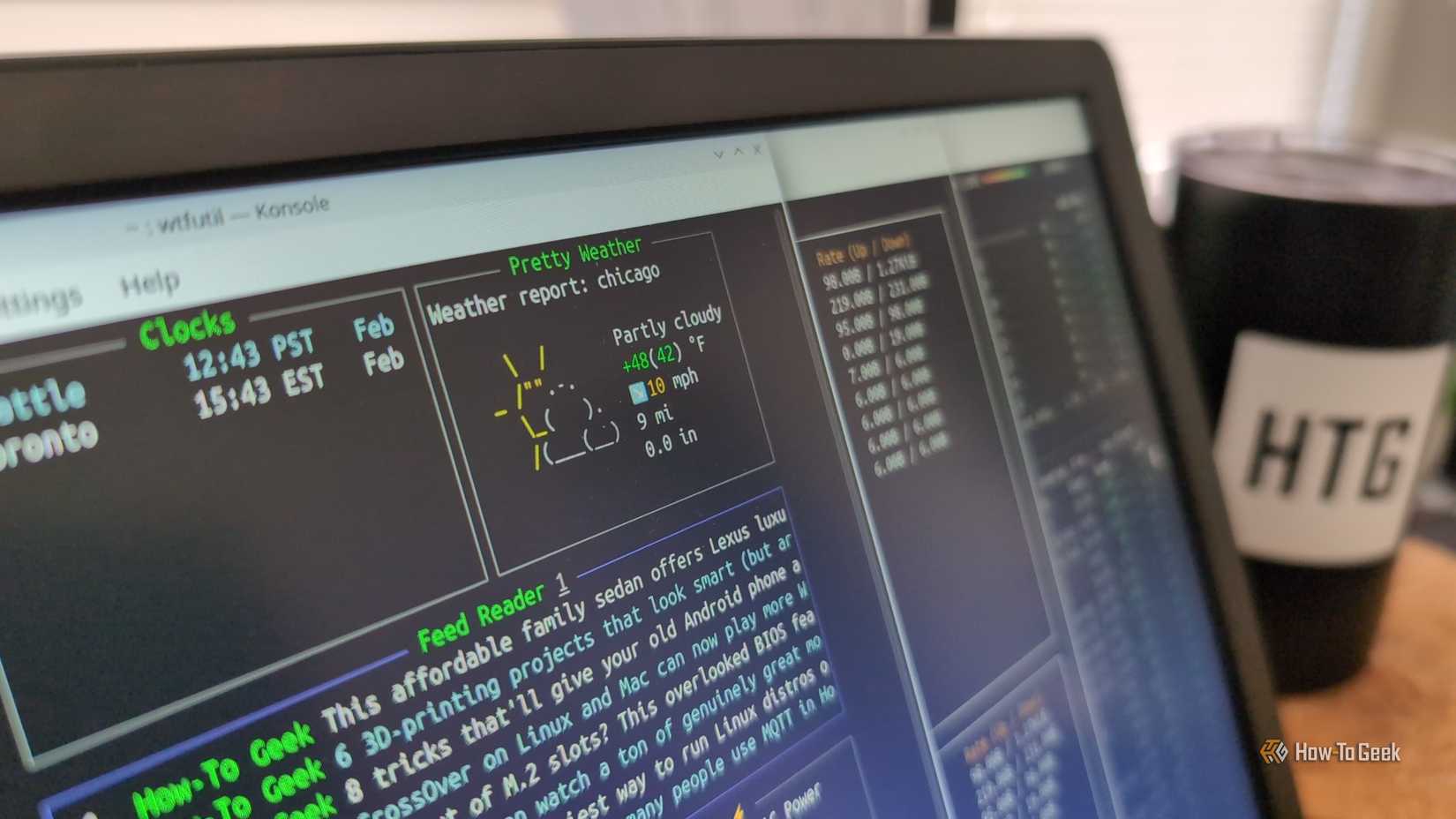 Credit: Jordan Gloor / How-To Geek
Without a doubt, the best thing about Linux is the terminal. It's often the first thing people hear about when they're introduced to Linux. For me, it's as central to Linux as (UI) windows are to Microsoft's own platform.
Graphical environments are slow, clunky, and resource-hungry, and they put me at serious risk of exercise, pushing that mouse from one side of the desk to the other. Terminals are direct, and pairing one with a highly tailored shell beats exhaustingly clicking through menus by a wide margin. In a GUI, you have to remember where everything lives. In a shell, you can use a fuzzy history search or a tool like Atuin, then recall any command you've made at any point in the past.
Searching through files from the terminal is second to none, too. The most advanced search on Windows doesn't even come close. In addition, you can move between directories in an instant once you add zoxide to the mix. Bake all of that into a custom USB, and you're ten times faster when repairing a broken installation.
Fsck keeps your system in tip-top shape The repair runs whether you remember it or not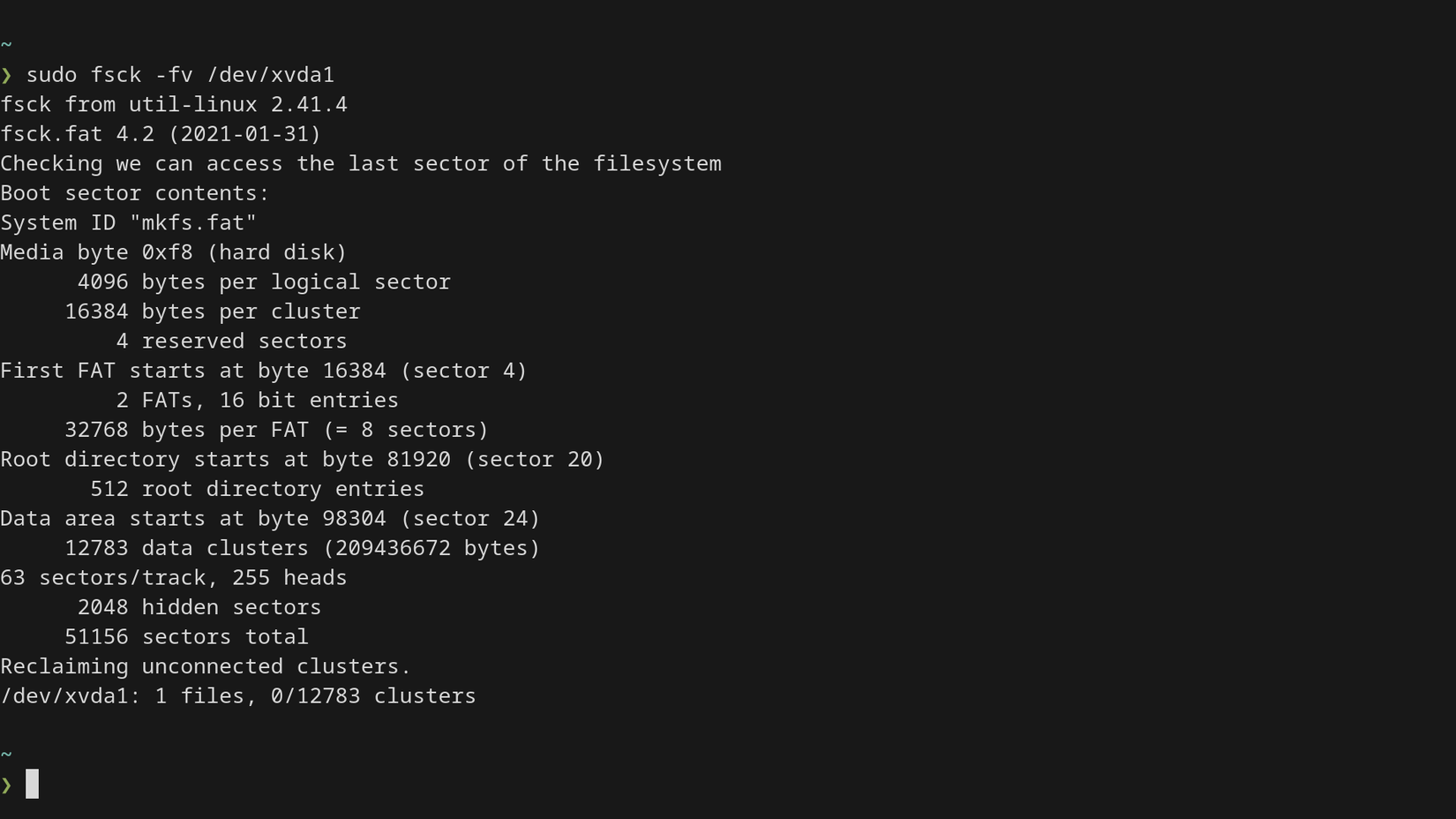
Fsck is the unsung hero of Linux. Every time my battery runs flat, or the power cuts out, the system suddenly shuts down, and every time I reboot, fsck has my back. I don't have to remember to run a manual scan or dig through a menu to find one. It checks the file system when necessary, fixes what it can, and hands the machine back to me.
It's one less thing to think about.
They're checkpoints, not backups
If you've ever deleted the wrong file, you've probably cursed yourself for not having a backup. My own backups are no longer for such mistakes or corruption; instead, they're a hedge against drive failure, because snapshots handle the rest.
Both LVM and Btrfs support snapshots. A snapshot records the state of the file system at a point in time, so (generally speaking) instead of copying your data somewhere else, it keeps the old blocks around and lets you go back to them. Reversing time becomes possible, and restoring an earlier snapshot is an enormous convenience.
In some cases, LVM uses copy-on-write (CoW), which copies the original blocks into the new snapshot before they're modified.
Take them regularly, and you're covered against corruption and accidental deletion. It does not reliably cover for a dying disk, though, because sometimes the snapshots live on the same drive. Keep that in mind.
Your environment travels with you Provisioning rebuilds the system; you handle the data
System provisioning (i.e., automated installation) is the last-ditch effort that saves your weekend during a crisis. Backups, snapshots, and even running something like Qubes will protect your system from a lot of damage, but sooner or later you’ll face a fresh install, regardless. That’s where provisioning comes in.
It isn’t unique to Linux, though its open, file-driven nature lends itself well to the task. Nearly every setting you care about lives in a plain text file, so a tool can easily replicate your desired environment on demand. Salt and Ansible can take a blank install and bring it up to your standards in under half an hour—packages, dotfiles, services, and all.
Provisioning doesn't typically restore personal data—although it can, if you're careful when storing your secrets—otherwise, you need that backup plan I mentioned earlier.
Downgrading is always an option Breathe new life into old hardware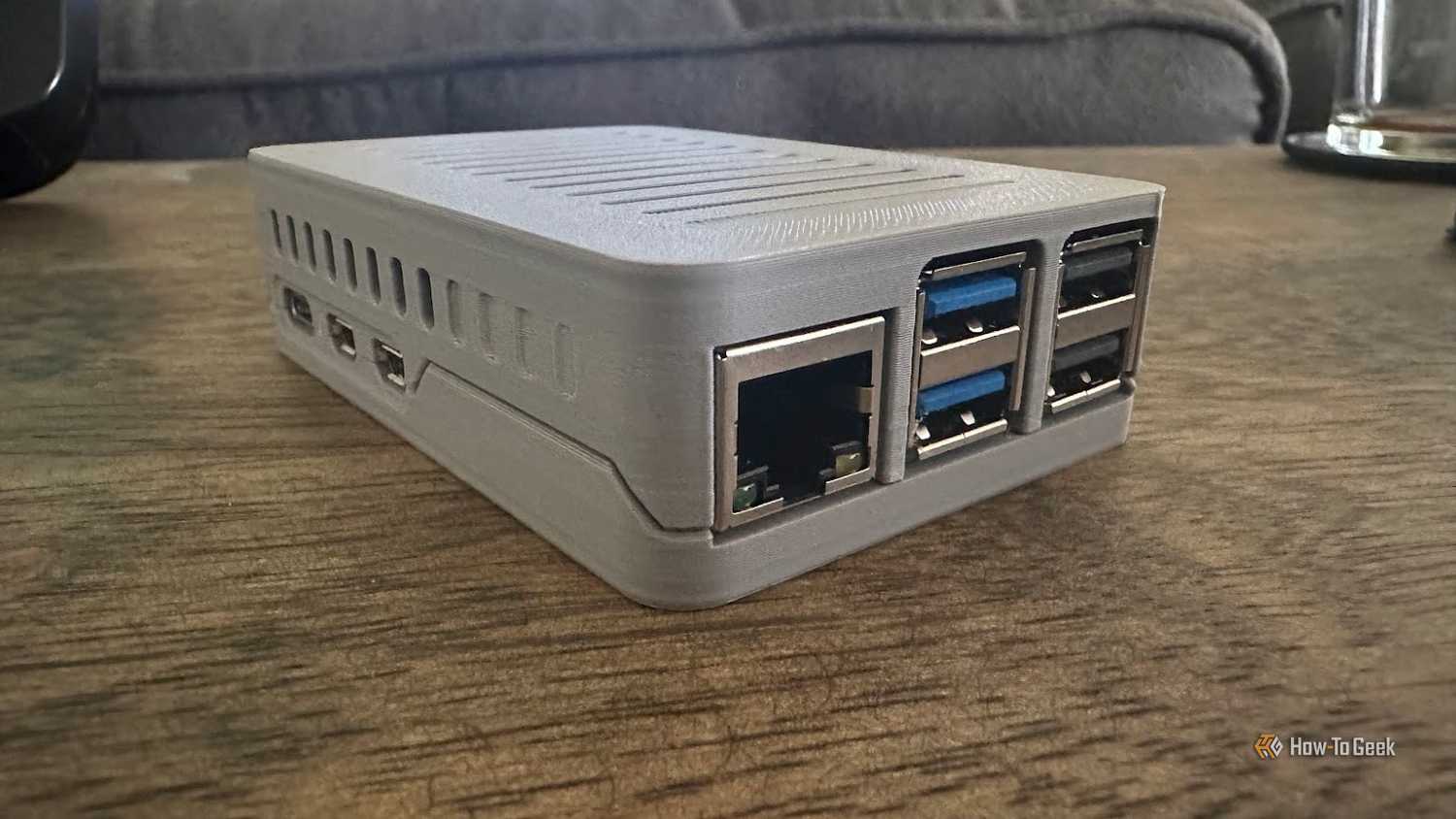 Credit: Sydney Louw Butler/How-To Geek
 Credit: Patrick Campanale / How-To Geek
 Credit: Patrick Campanale / How-To Geek
 Credit: Patrick Campanale / How-To Geek
 Credit: Patrick Campanale / How-To GeekClose
 Credit: Sydney Louw Butler/How-To Geek
 Credit: Patrick Campanale / How-To Geek
 Credit: Patrick Campanale / How-To Geek
 Credit: Patrick Campanale / How-To Geek
 Credit: Patrick Campanale / How-To Geek
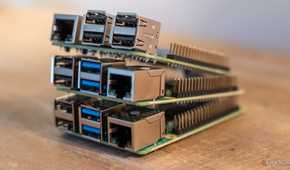
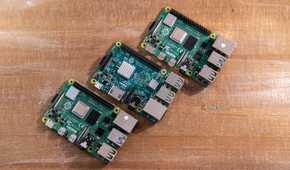
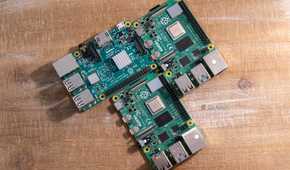

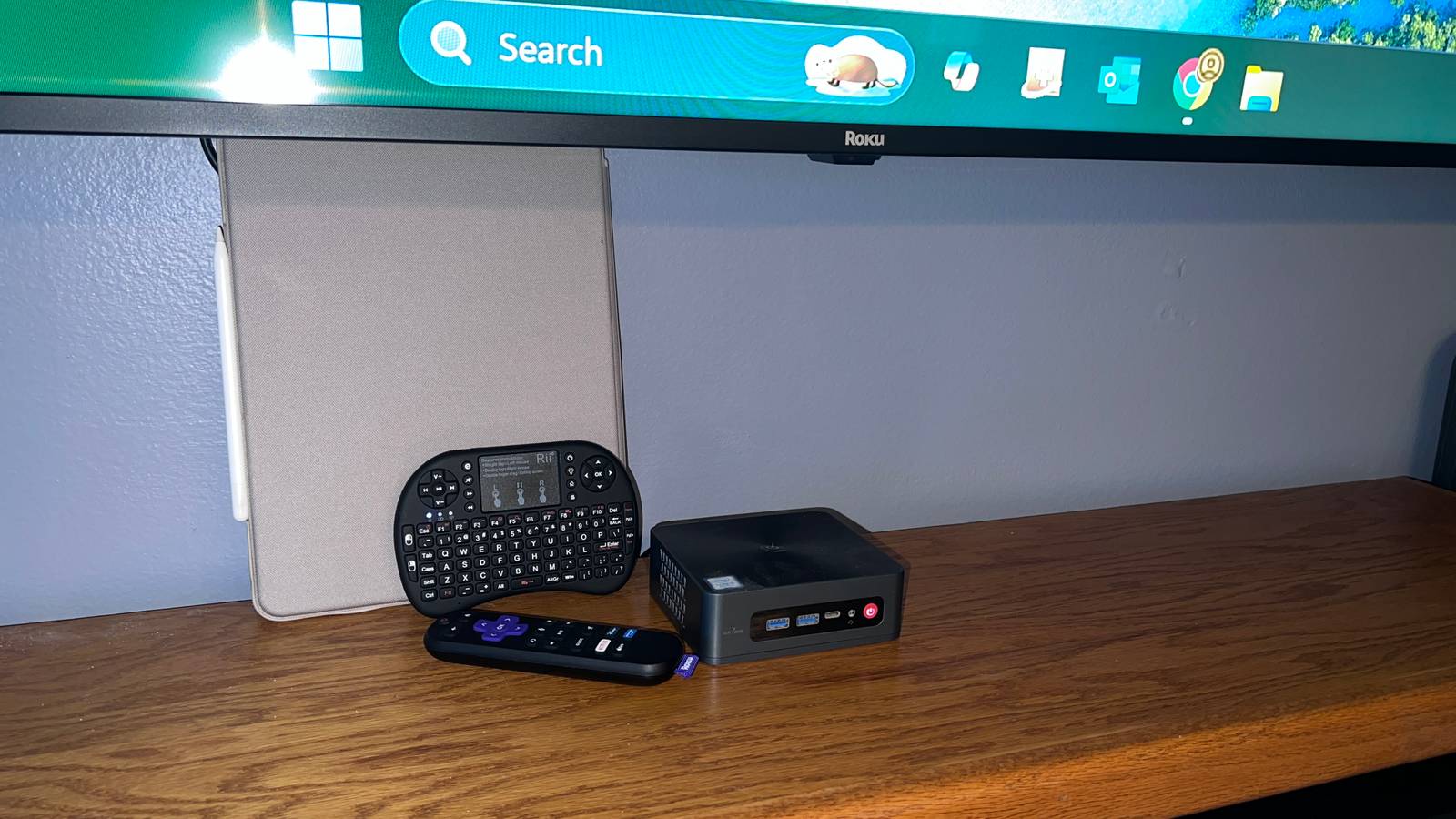
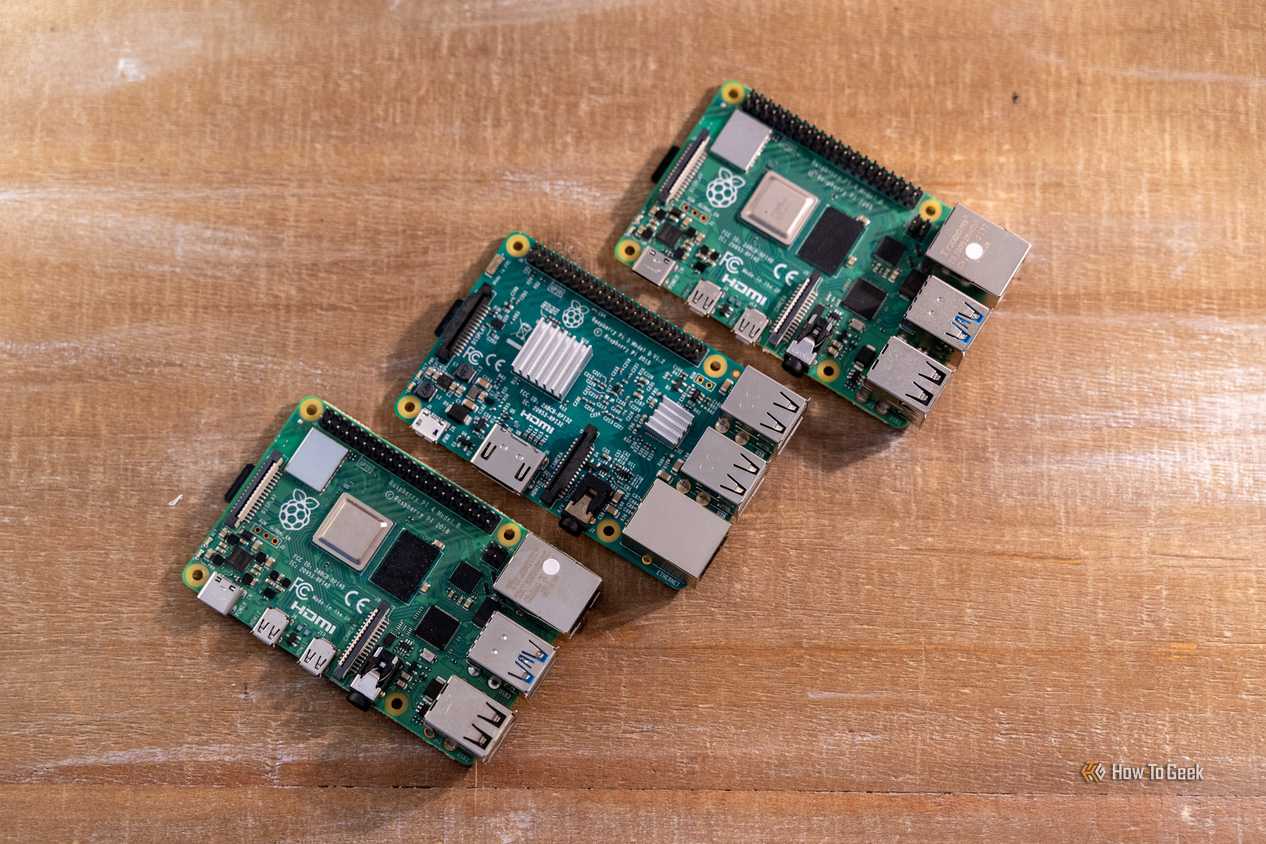
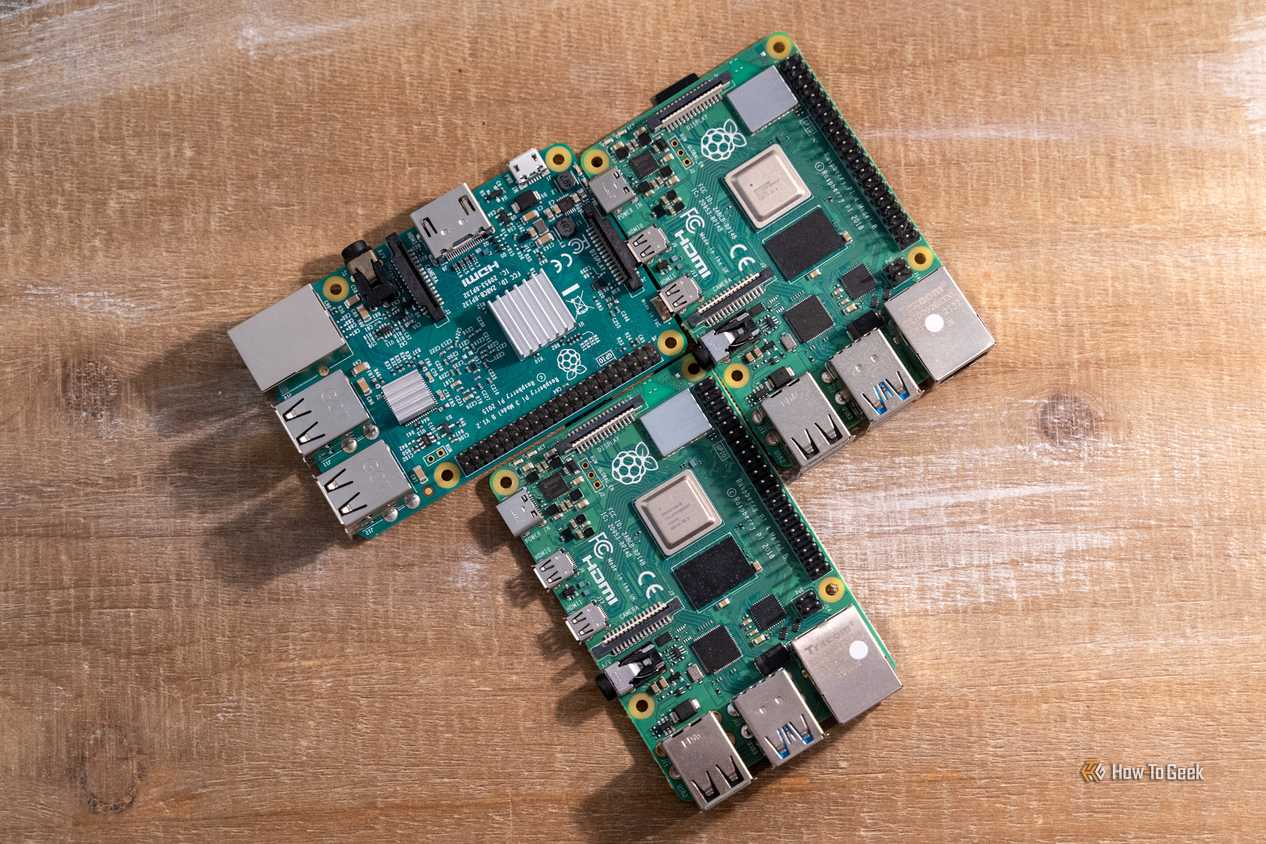
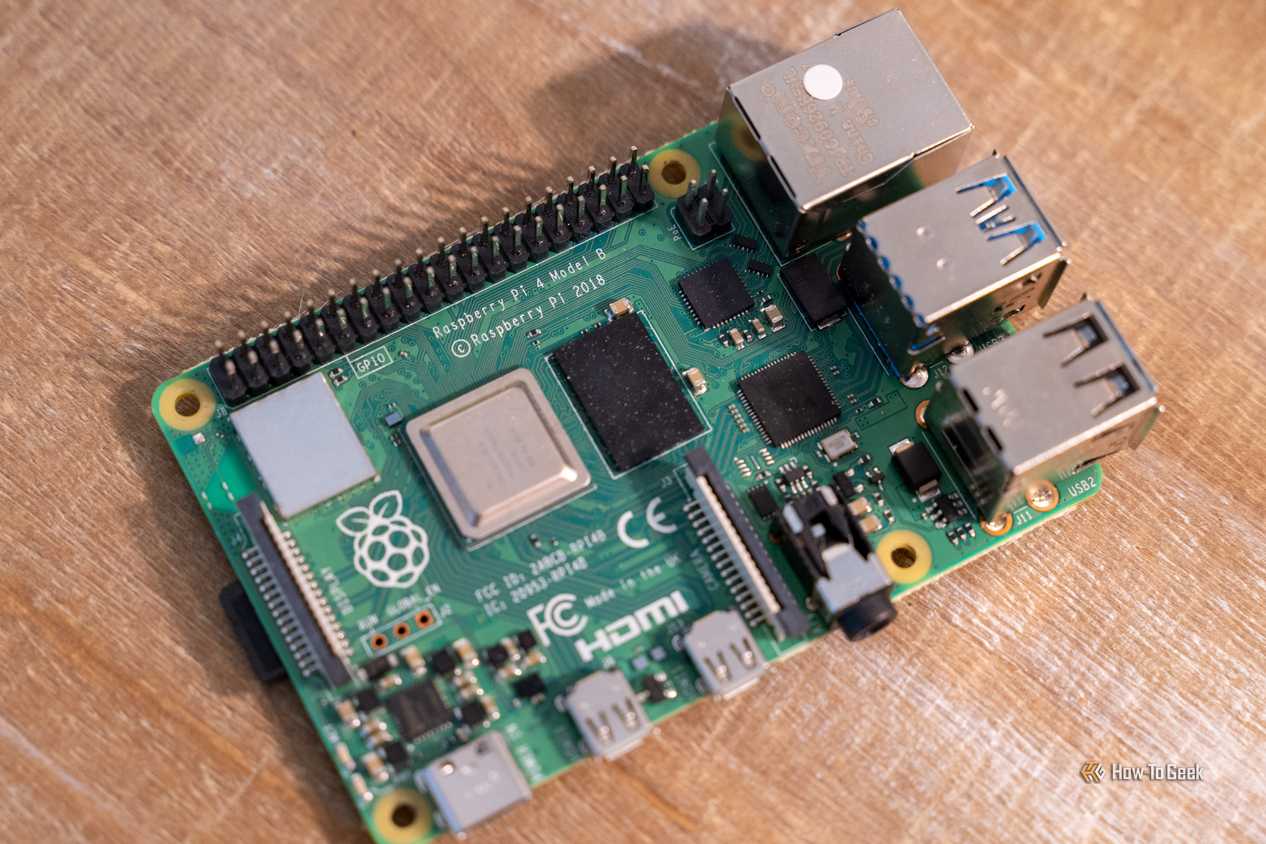
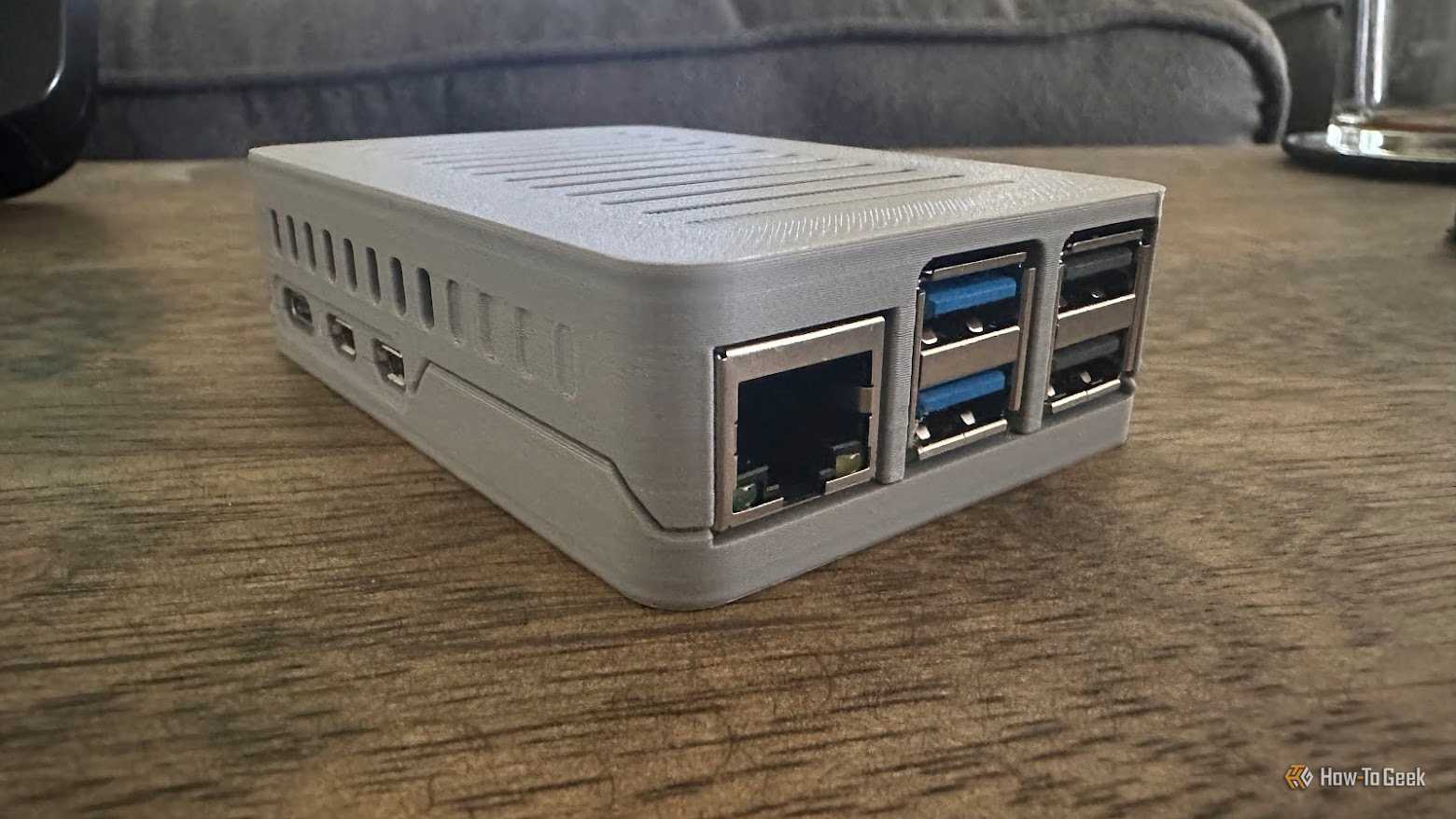
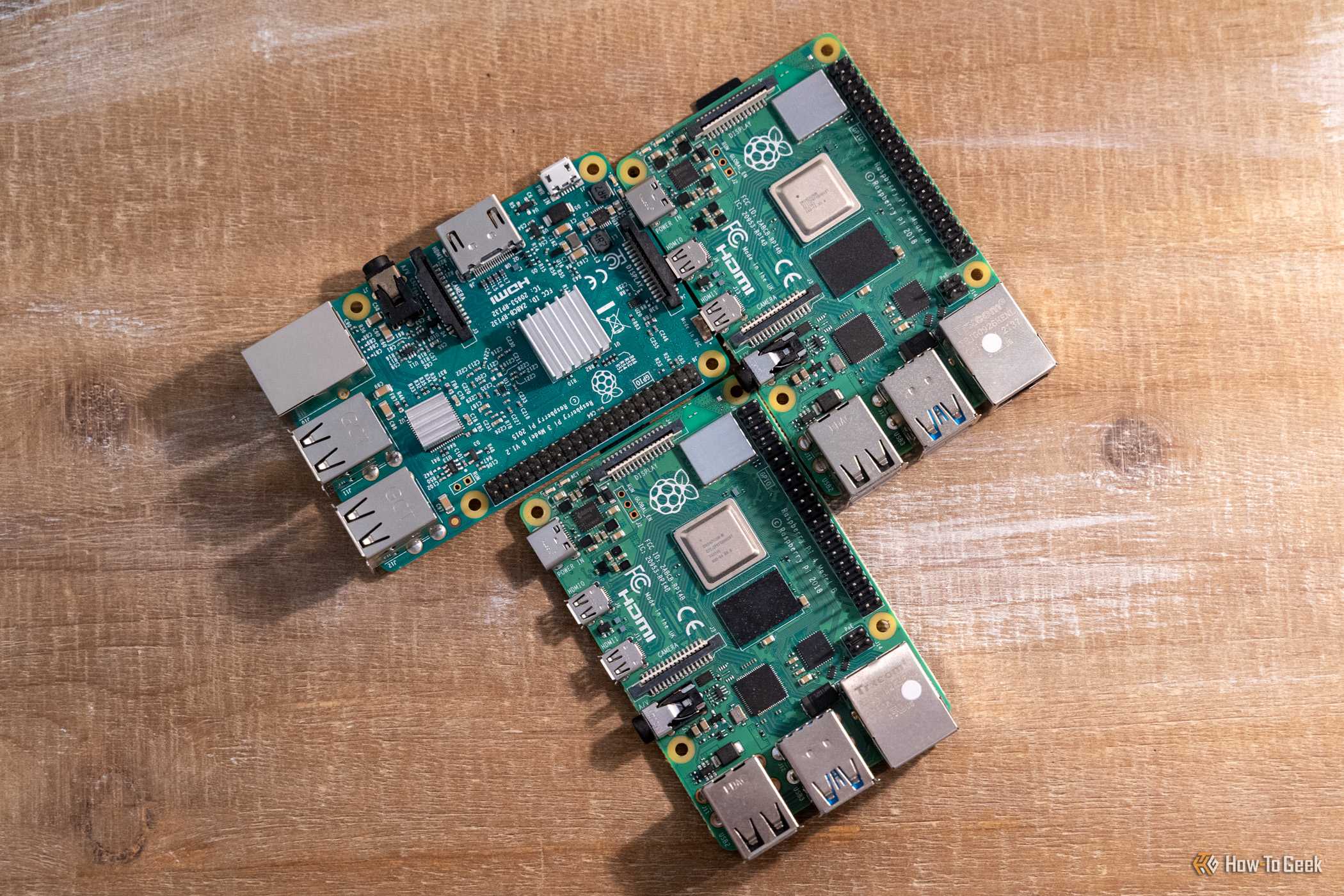
Running Linux on an older machine is definitely plausible. Whether you have one gathering dust in a cupboard or you simply can't justify the price of a new one, Linux will run on it in most cases. As recently as the last couple of years, it still ran happily on 32-bit hardware, though most distributions have now dropped that support, which is a shame.
Having such a versatile system is true peace of mind. If your main system dies, you know a free, up-to-date operating system is waiting, one that can squeeze a near-full desktop into 400MB of RAM. No license fees, activation, or vendor lock-in, just a no-nonsense, hassle-free system.
It’s not exciting, but reliable and unmatchedNone of these features are exciting. Nobody writes a press release about fsck or how direct the terminal is. But the times my computer broke, I always had a reliable system to fall back on, one way or another. Whether it was a fresh installation on old hardware, or some of the best utilities you can find, Linux has saved me many times, so I can get back to working with it.
 Related
Windows isn't the best operating system anymore
Related
Windows isn't the best operating system anymore
Operating systems are now a commodity, and Windows is a bad pick.