
Remember me

Every year, all the big players release new smartphones. Sure, they're shiny and have fancy specs, but that $1,300 Galaxy S26 Ultra or new iPhone isn't all that special compared to what's already in my pocket. This isn't a new take, but now the software has started to plateau just as much as the hardware, making upgrades harder than ever to justify.
These days, most people no longer upgrade their phones every year, myself included. I'd argue every two years might even be too early. It's getting to the point where I don't plan to replace my phone until it dies, breaks, or stops receiving support. Here's why.
The same boring but excellent hardware Improvements are few and far between Credit: Cory Gunther / How-To Geek
 Credit: Nomad
 Samsung
 Credit: Justin Duino / How-To Geek
 Credit: Justin Duino / How-To Geek
 Justin Duino / Review GeekClose
 Credit: Cory Gunther / How-To Geek
 Credit: Nomad
 Samsung
 Credit: Justin Duino / How-To Geek
 Credit: Justin Duino / How-To Geek
 Justin Duino / Review Geek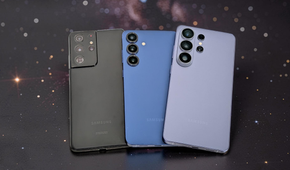



If it's not broke, don't fix it. That's a saying we've all heard dozens of times, and it's pretty accurate. There's a reason smartphone makers don't wander too far from what's working, or even remotely try to change the recipe.
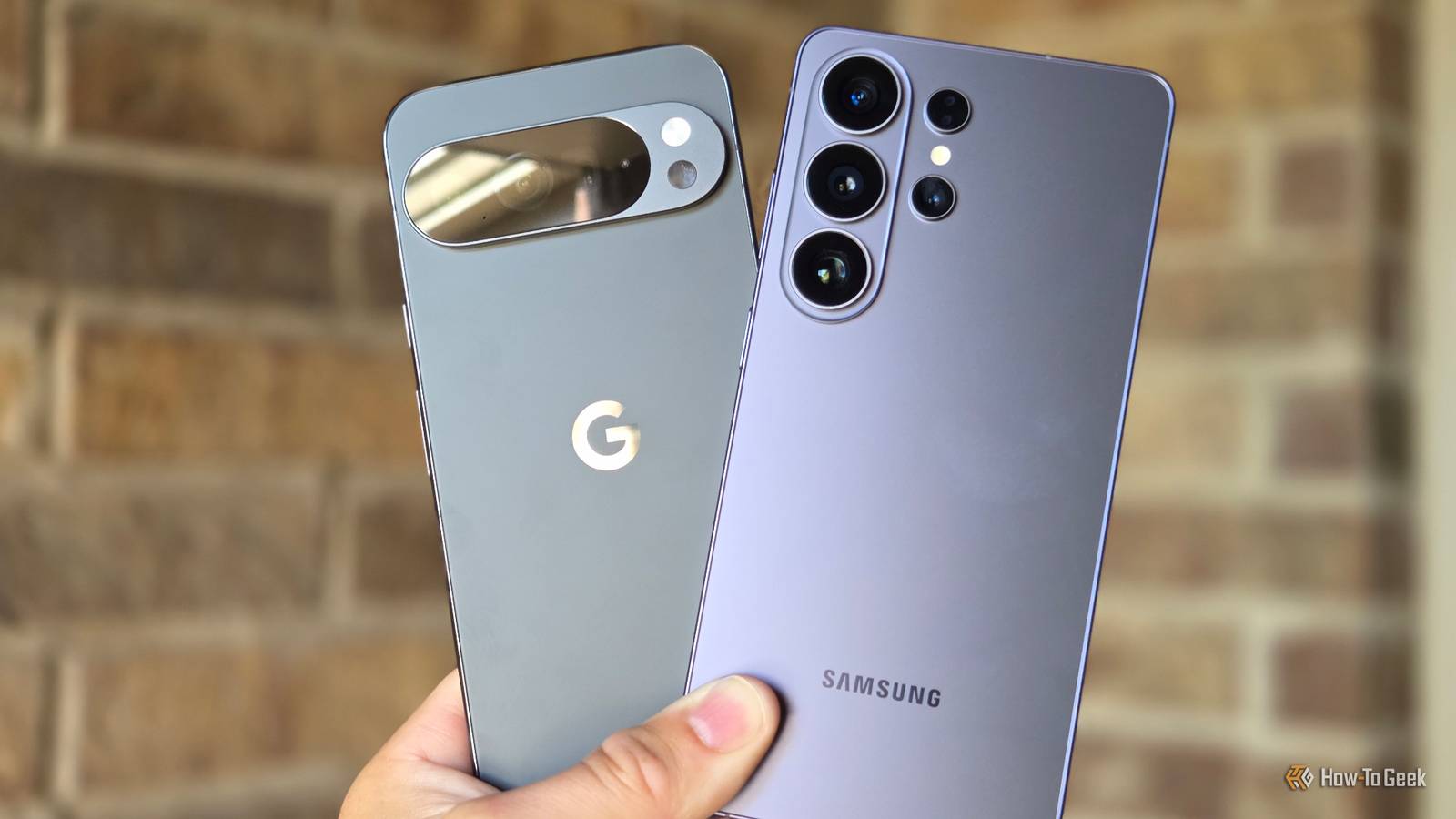
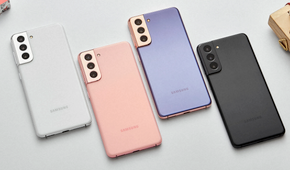
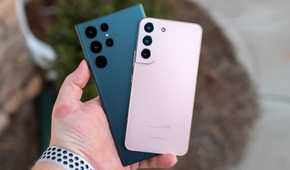
At this point, the hardware in our phones is largely the same as it's been for years, and that's mostly OK. For example, the last six generations of Samsung's Ultra phone, from the S20 Ultra to the latest Galaxy S26 Ultra, all have the same size 5,000 mAh battery. Each model has excellent cameras, solid hardware, stunning screens, decent battery life, and a few little tweaks here and there.
There's nothing drastically new or exciting like the first decade plus of the iPhone or Android. Phones quickly got bigger and faster, added more cameras, faster charging, and fun new apps arrived constantly. Back then, it was easier to justify buying a new phone every year, and I'd almost argue we all needed to, thanks to rapid technological advancements.
 Related
I Stopped Buying a New iPhone Every Year, Here's What I Do Instead
Related
I Stopped Buying a New iPhone Every Year, Here's What I Do Instead
Getting a new iPhone annually can be exciting, but waiting can offer far more benefits.
That's no longer the case, and it hasn't been for a while now. I'm to the point that most of the new hardware isn't enough to convince me to wander down to a retail store and upgrade, and that includes foldables. Plus, phones are more expensive than ever, and with RAM shortages, things are only getting worse.
The software experience is mature Credit: Goran Damnjanovic / How-To Geek
 Credit: Cory Gunther / How-To Geek
 Credit: Goran Damnjanovic / How-To Geek
 Credit: Cory Gunther / How-To Geek
 Credit: Yash Wate / How-To GeekClose
 Credit: Goran Damnjanovic / How-To Geek
 Credit: Cory Gunther / How-To Geek
 Credit: Goran Damnjanovic / How-To Geek
 Credit: Cory Gunther / How-To Geek
 Credit: Yash Wate / How-To Geek


As the hardware inside our phones continues to top out and mature, many of us still upgrade every year or two for the latest software enhancements, improvements, or exciting new features that could better take advantage of the hardware.
But these days, that too has pretty much matured. Those huge jumps, like from Android 4.0 Ice Cream Sandwich to Android 5.0 Lollipop, or when iOS 7 arrived and changed everything for iPhone users, are long gone. Sure, Apple's new iOS 26 release is a pretty dramatic design shift, and the latest Android 17 has some fun new goodies, but much of what we all do on our phones remains the same.
For years, I kept upgrading every year or two to get the latest software release, secure a few more years of OS updates, and try whatever was fun and new. But just like with hardware, the software inside our phones is incredibly mature.
 Related
Please Stop Making New Smartphones Every Year
Related
Please Stop Making New Smartphones Every Year
New devices would be better, and older models wouldn't be forgotten so fast.
With each new release of Android, we get a sprinkle of new bits and pieces, maybe a little extra customization, or fancy new camera controls and modes. It's nice, sure, and certainly enjoyable, but again, not enough to warrant a $1,300 phone or starting over on monthly carrier payments.
In fact, I almost don't even enjoy software updates anymore. Just give me monthly security patches to keep my phone safe and secure, then keep everything else the same. I'm a creature of habit, and massive changes don't even seem worth it anymore. I'm extremely familiar with every aspect of my phone and its software, I know where everything is and how it works, and I'm incredibly efficient with it. Don't go throwing a wrench into my daily routine, workflow, or the way my text message app looks.
My current phone looks good, works great, packs plenty of power, takes stunning photos, the software hums like a well-oiled machine, and it's nearly two years old. And I'm pretty confident others feel the same way.
I don't care for the latest AI integrations That's all that's new these days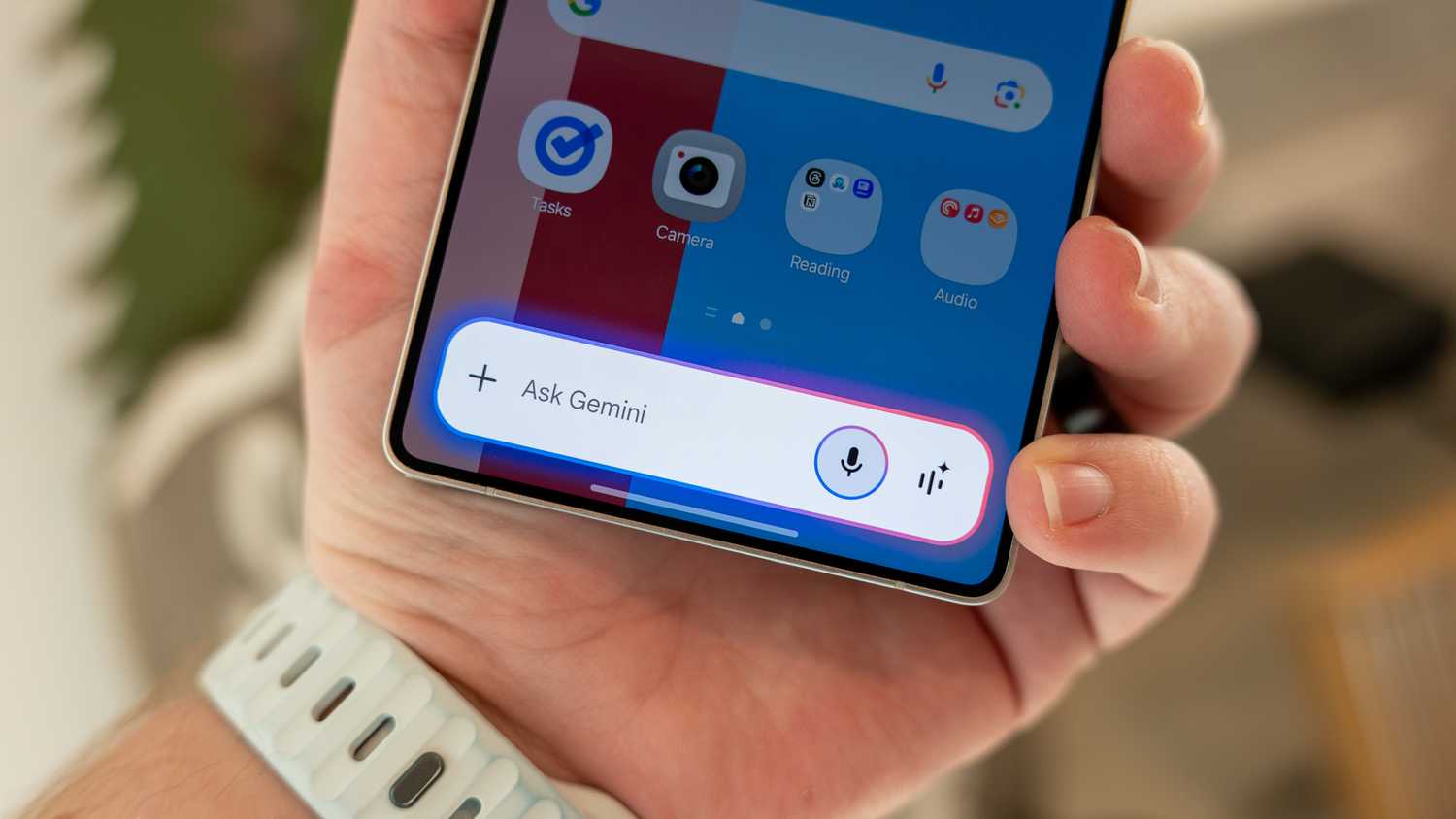
 Credit: Lucas Gouveia/How-To Geek | Natalllenka.m/Shutterstock
 Credit: Justin Duino / How-To Geek
 Credit: Lucas Gouveia/How-To Geek
 Credit: DedMityay / ShutterstockClose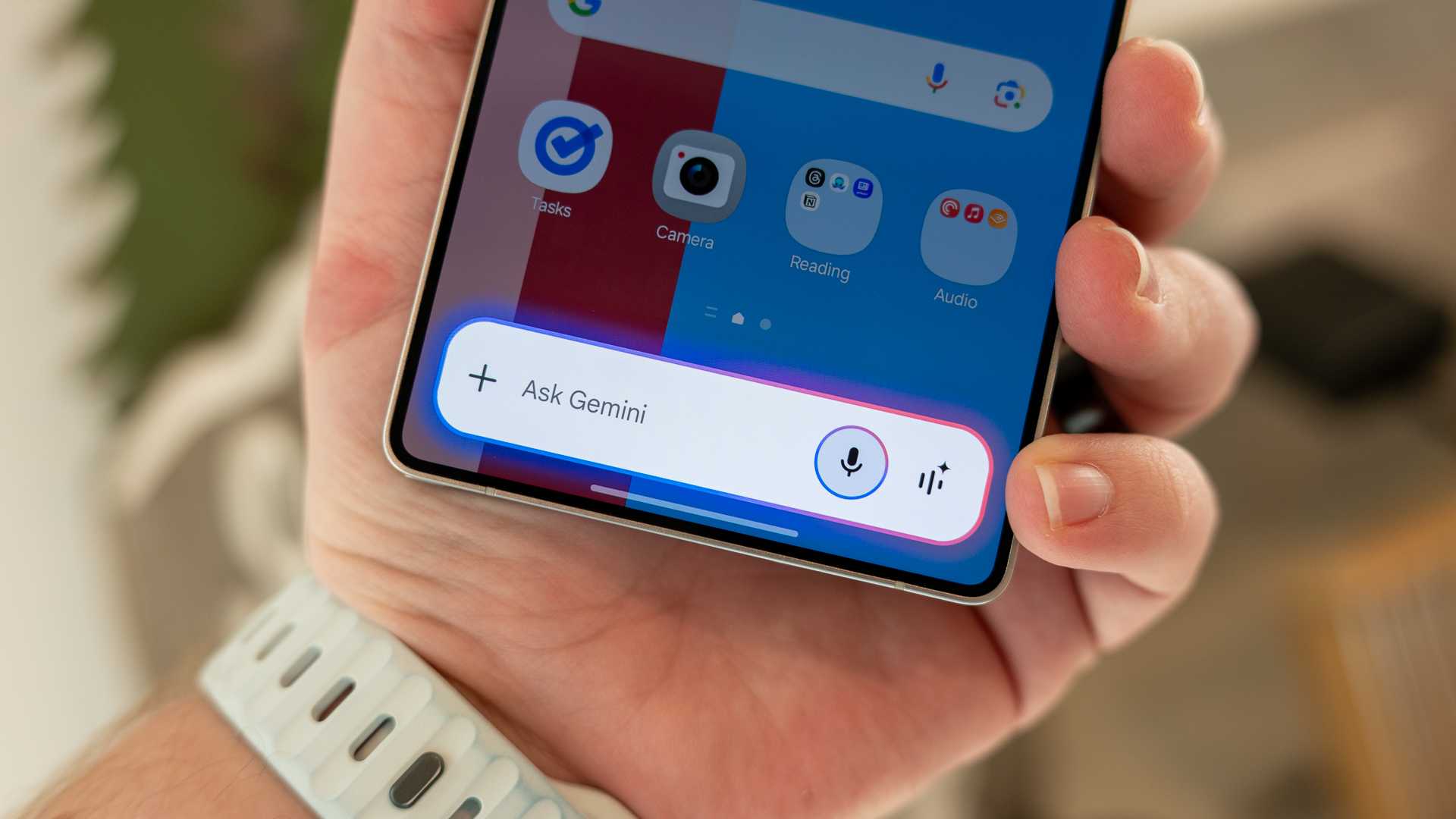
 Credit: Lucas Gouveia/How-To Geek | Natalllenka.m/Shutterstock
 Credit: Justin Duino / How-To Geek
 Credit: Lucas Gouveia/How-To Geek
 Credit: DedMityay / Shutterstock
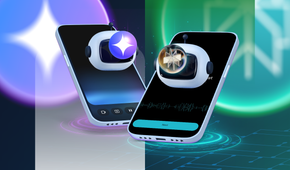

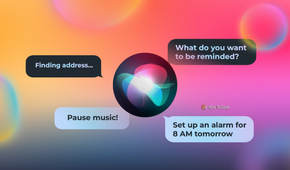

As hardware improvements slowed, software took center stage and became a primary driver of upgrades and new features. And now that the software experience is starting to slow down and manufacturers like Google and Samsung are supporting devices for 7 years of OS updates, AI has taken its place. Sure, it's still software—but it's different.
Some of the most notable additions to the iPhone 17 Pro Max, Galaxy S26 Ultra, iOS 26, and Android 17 are all about artificial intelligence. We have AI features in the cameras, software, search, AI summaries everywhere, photo editing, AI-powered emojis, and the list goes on.
 Related
Most of these AI goodies aren't all that great, either. I'm looking at you, Google, with that Magic Cue on Pixel devices, or Siri, which is now powered by Google's various Gemini models.
Samsung, Google, and Apple's answer to everything is AI. It feels more and more like everything else is an afterthought. As long as that continues, I'll be content with using the same phone I already own.
Waiting might be the right choiceFor years, I bought a new phone every 8–12 months, and it was great. Then, everything slowed down and started to change. The Galaxy S21 Ultra was the longest I've ever kept a phone, and I only replaced it last year with the Galaxy S25 Plus after returning the Galaxy S25 Ultra. I've had that phone for nearly 2 years, and I plan to keep it for a while.
I recently wrote an article about how it feels like the Samsung Galaxy has lost its way, and I don't know where to turn. The Pixel series is in a similar boat, and the iPhone is doing iPhone things.
My conclusion is basically to sit a few generations out, let a few more models arrive with the same designs, similar cameras, polished software, and hopefully let the AI craze die down or stabilize into useful features. Then, I'll upgrade when something catches my eye, or we actually get a big enough hardware or software leap worth paying for.