The Atlas of Surveillance is a database of police technology in use across the United States: enter your city, county, state or the name of a local law enforcement agency, and it will tell you what's in their toybox.
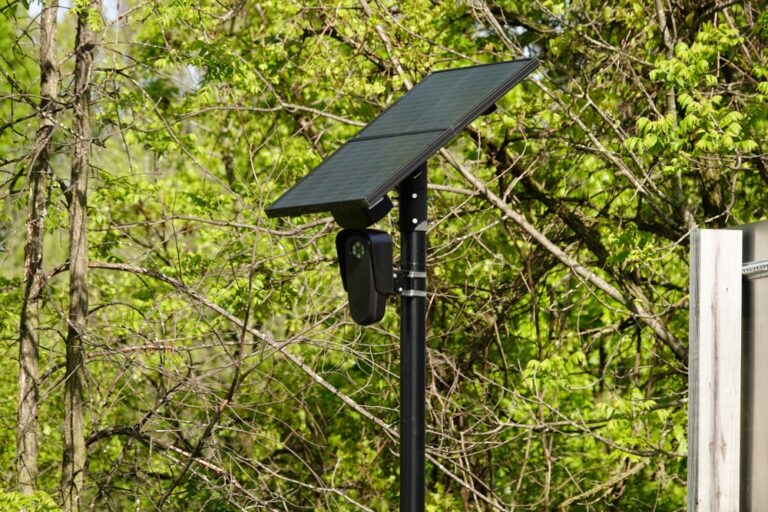
Pittsburgh, for example, has the expensive and mostly useless Shotspotter system and dozens of Flock cameras, ostensibly for license-plate tracking but functionally a general-purpose (and widely-abused) surveillance network.
The Atlas of Surveillance is a database of surveillance technologies deployed by law enforcement in communities across the United States. This includes drones, body-worn cameras, automated license plate readers, facial recognition, and more. This research was compiled by more than 1,000 students and volunteers, and incorporates datasets from a variety of public and non-profit sources. 17
The Atlas is a project of the Electronic Frontier Foundation, who could use more volunteers to help complete and maintain it.
With more than 18,000 law enforcement bodies in the U.S., this is a massive, ongoing project — and we need your help. Students and volunteers can sign up for mini-research tasks through our Report Back tool. Designed to take less than 20 minutes each, assignments typically ask the researchers to use a standard search engine to find links showing whether or not a specified agency is using a specified technology.
Note that they don't need to be told where individual cameras are: "That data may be better suited for DeFlock.me."
Flock gets the headlines and is the target of
growing public anger, but is only part of a spreading problem. In March, CNN reported that a Tennessee grandmother
spent more than five months in jail after facial recognition software linked her to crimes in North Dakota, a state she has never visited. NPR reports that local police are
scanning the faces of people they stop using an ICE mobile app. Thousands of agencies now
fly autonomous drones with thermal cameras, plate readers and cell-site simulators, the EFF reports.
The situation is so uncontrolled that even the most right-wing Supreme Court in generations is applying limits; it recently ruled 6-3 that collecting phone location data is a Fourth Amendment search, curbing warrants for "everything in an area".