
Remember me
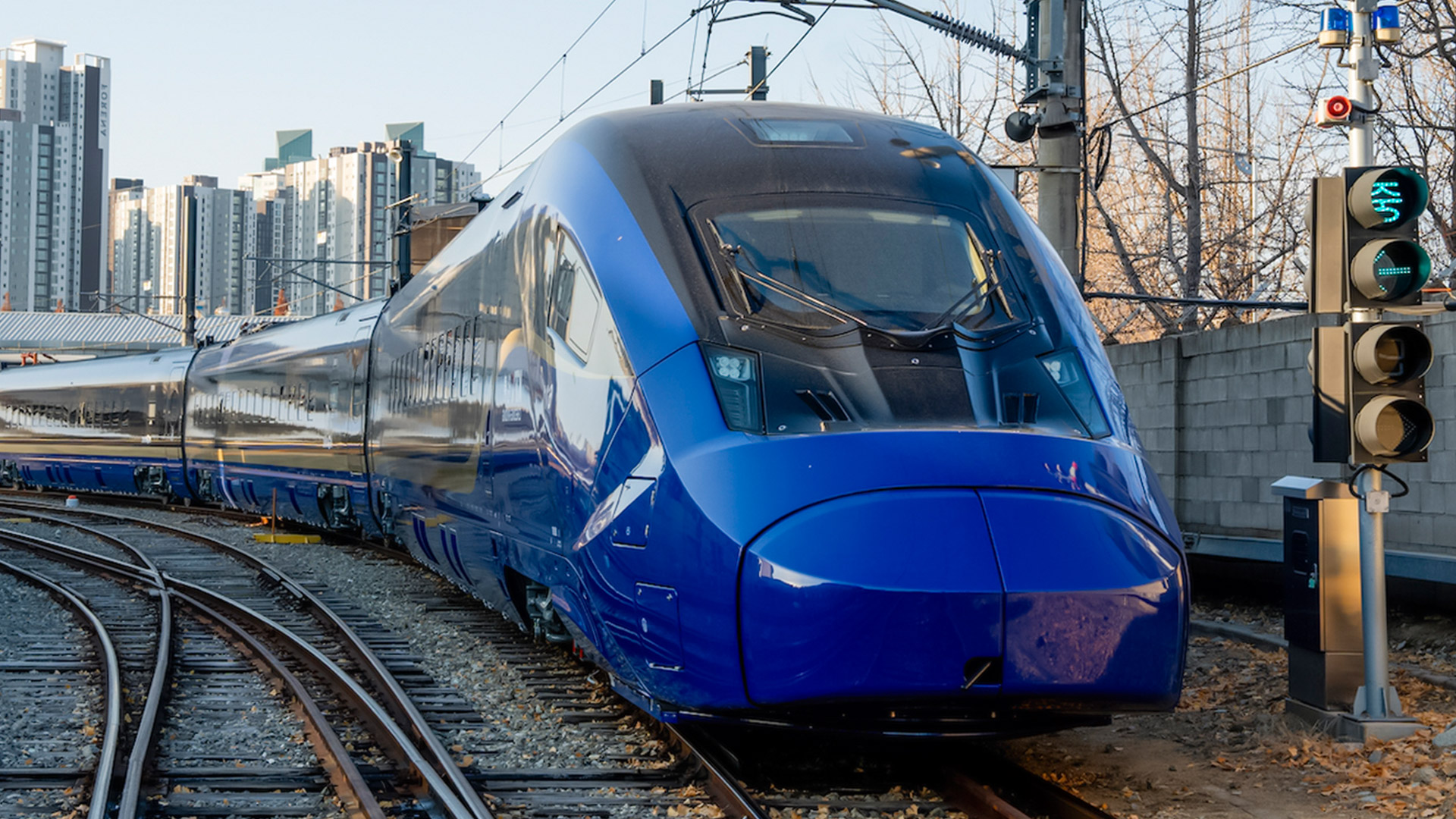
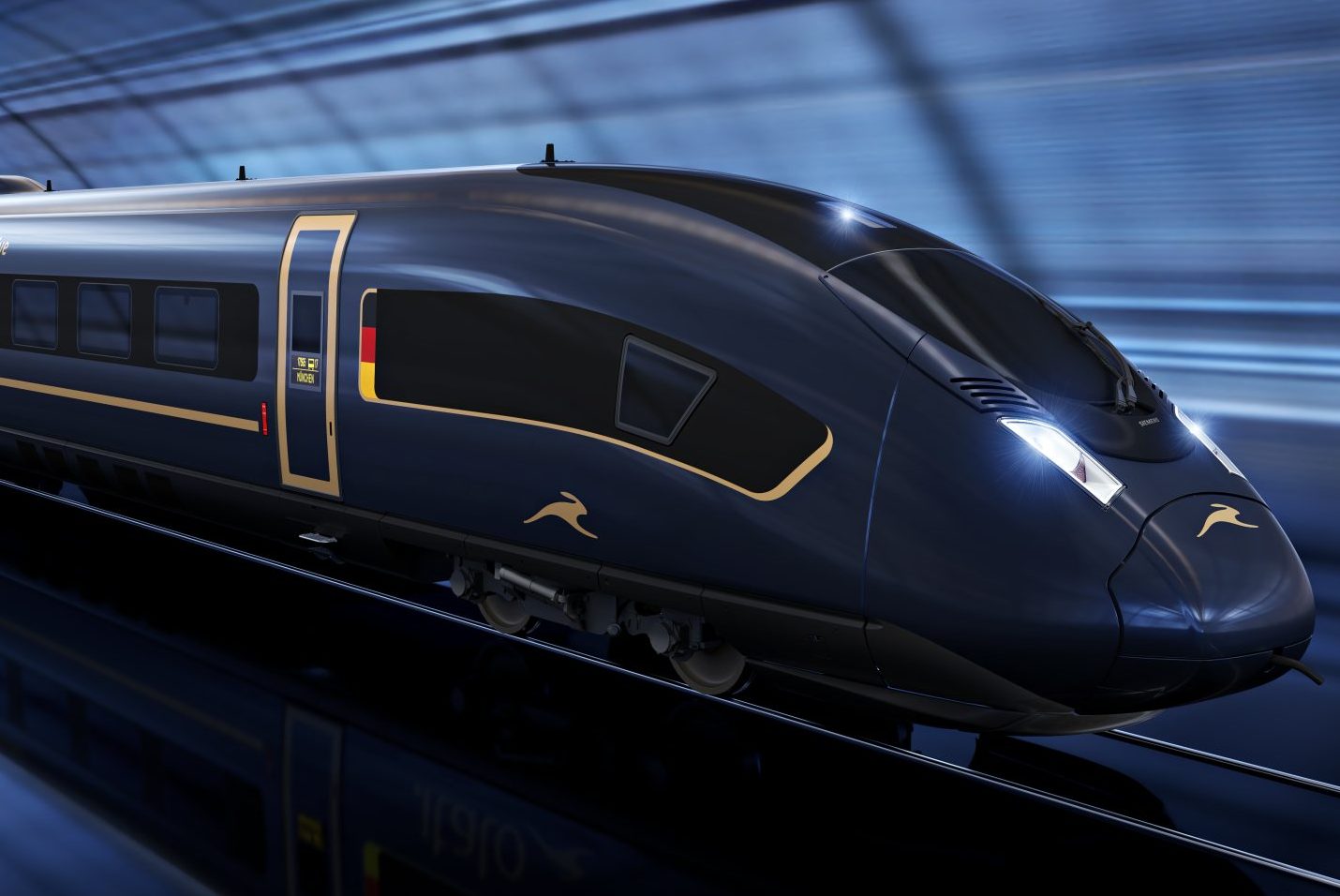

SOUTH KOREA: National operator Korail has completed preliminary assessments for a planned procurement of 49 EMU-320 high speed trainsets from Hyundai Rotem at an estimated cost of 5tr won.
Korail expects to place an order for an initial batch of 28 trainsets in 2027, with the first trains entering service from 2032.
The procurement is intended to allow replacement of Korail’s fleet of 46 first-generation KTX-I trainsets. Derived from French TGV designs, these were built by Alstom and Rotem between 1997 and 2003 and will begin reaching the end of their planned service life from 2033.
Korail ordered two pre-production EMU-320 trainsets from Hyundai Rotem in 2016. These entered service in May 2024, designated as KTX-CheongRyong.
Korail then ordered a batch of 17 series-built EMU-320s under a 710bn won contract placed in March 2023, and quasi-private operator Supreme Railways ordered 14 similar sets the following month.
 A KTX-I trainset.
Hyundai Rotem unveiled the first of the production build of EMU-320s for SR in October 2025, and delivered the first for Korail in January of this year. These are now undertaking test runs, and are scheduled to enter service from 2027. The two operators confirmed on June 9 that the combined fleet of 31 trains would be operated jointly, as part of the two entity’s ongoing merger.
Improved acceleration and brakingThe distributed-power trainsets are capable of running at up to 320 km/h. They are intended to offer higher performance and improved acceleration and braking than the existing KTX-Is, which are limited to 300 km/h and feature dedicated power cars at both ends of the train. A distributed traction design is considered particularly effective on South Korea’s high speed network, where distances between stations are relatively short.
 Hyundai Rotem delivered the first series built EMU-320 trainset to Korail in January.
Each 16-car trainset will provide around 1 000 seats, making it the largest-capacity fleet in South Korea according to the operator. A 20-car KTX-I formation has 955 seats.
The EMU-320 fleet is to be delivered with enhanced condition-based maintenance and feature derailment detection systems, and a streamlined design. They are to be fitted with an Intelligent Energy-Efficient Operation System and permanent-magnet synchronous motors.
Korail says more design work is being carried out to optimise onboard facilities for passenger convenience and accessibility, including the improvement of seat layouts, luggage racks and toilets.
‘The introduction of the next-generation KTX fleet is a national investment in transport infrastructure that will set new standards for high speed rail services for the next 30 years’, Kim Taeseung, President & CEO of Korail.
See also


Already have a subscription? Log in.
Choose your subscription Most popular! Digital Onlyi Prices are displayed as monthly rates (exc. VAT), but billed annually. Please refer to our subscription terms for more details.
€18,17 per month per user *
£15.75 per month per user *
$19.17 per month per user *
Unlimited access to all Railway Gazette content Monthly digital Railway Gazette International Magazine 2000+ Operator Profiles Newsletters & Breaking News Updates Subscribe with 1, 3, or 5 user logins Digital + Printi Prices are displayed as monthly rates (exc. VAT), but billed annually. Please refer to our subscription terms for more details.
€25,67 per month per user *
£22.33 per month per user *
$26.67 per month per user *
Monthly print Railway Gazette International Magazine Unlimited access to all Railway Gazette content Monthly digital Railway Gazette International Magazine 2000+ Operator Profiles Newsletters & Breaking News Updates Subscribe now ›Considering a corporate subscription? Contact us to find out more.