GCC inflation holds at 1.8 percent in 2025, remaining among the world's lowest
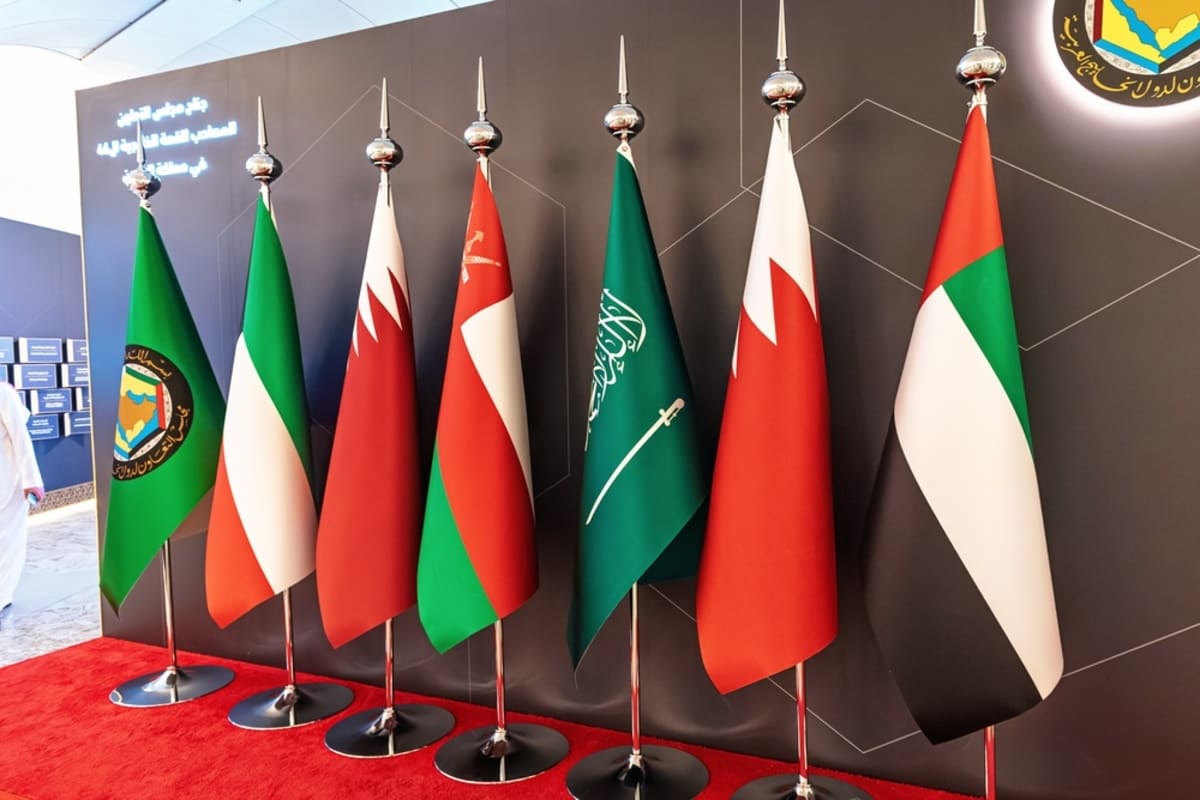
GCC inflation remained below the 2 percent mark for a second consecutive year in 2025, highlighting the region’s continued price stability despite persistent global inflationary pressures, according to the latest report by the Statistical Centre for the Cooperation Council for the Arab Countries of the Gulf (GCC-Stat).The report showed annual inflation edged up slightly to 1.8 percent in 2025 from 1.6 percent in 2024, reflecting the effectiveness of economic policies aimed at containing inflation while supporting sustainable economic growth across the Gulf.At 1.8 percent, the GCC recorded one of the lowest inflation rates globally.The region significantly outperformed the global average inflation rate of 4.2 percent, while also remaining below inflation in emerging and developing economies, which stood at 5.3 percent.Among major economies, inflation reached 3.9 percent in the U.K., 3.2 percent in Japan, 2.8 percent in India, 2.6 percent in the U.S., 2.5 percent in the European Union and advanced economies, and 2.1 percent in the euro area.The report attributed the region’s relatively low inflation to sound economic management and policies that have helped cushion consumers from global price volatility.Housing and services drive consumer pricesHousing and miscellaneous goods and services accounted for approximately 73 percent of the overall increase in consumer prices across the GCC during 2025.Among the main Consumer Price Index categories, miscellaneous goods and services rose by 5.4 percent, while housing costs increased by 4.0 percent. Recreation and culture experienced a gain of 2.0 percent, and restaurants and hotels saw an increase of 1.6 percent. Additionally, food and beverages rose by 1.2 percent, education climbed by 1.0 percent, tobacco advanced by 0.6 percent, and clothing and footwear grew by 0.4 percent.Meanwhile, prices for health, communications, and furnishings and household equipment remained unchanged compared with the previous year, while transport prices declined 0.2 percent.Read more: GCC inflation rate hits 1.7 percent by December 2024 on rising housing prices: GCC-StatInflation moderates after 2022 peakThe report showed that inflation across the GCC has followed a relatively stable path over recent years.Annual inflation rose from 1.5 percent in 2020 to 2.4 percent in 2021, before peaking at 3.2 percent in 2022 amid the global inflation surge.Price growth then eased to 2.3 percent in 2023, declined further to 1.6 percent in 2024, and edged slightly higher to 1.8 percent in 2025, reflecting continued stability compared with global inflation trends.Global food prices ease inflation pressuresGCC-Stat said lower global food prices helped reduce imported inflation during the year.Global food and beverage prices declined 2.1 percent, helping moderate price pressures across the region.However, the report warned that a 15.2 percent increase in natural gas prices, combined with ongoing geopolitical tensions, continues to pose upside risks for inflation and requires close monitoring by policymakers.Stable inflation supports Gulf economic integrationAccording to GCC-Stat, the continued convergence of inflation rates among GCC member states provides a supportive environment for deeper regional economic and monetary integration.The report added that stable inflation gives governments greater fiscal flexibility to continue economic reforms and development spending while reinforcing the importance of harmonising statistical methodologies and strengthening policy preparedness to respond to future external shocks.